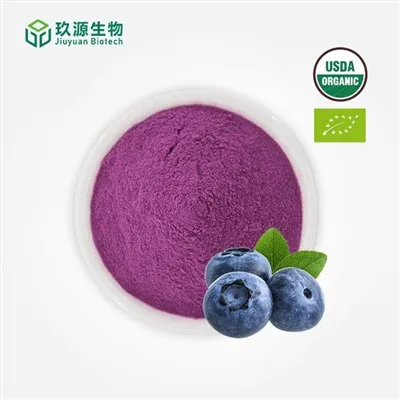
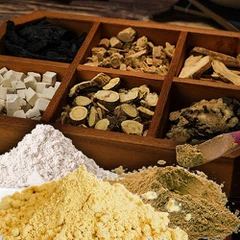

• Certified USDA & EU Organic, ISO9001 & cGMP manufacturer.
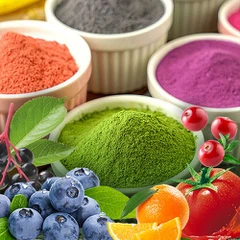
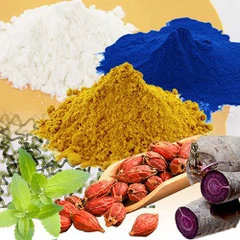
• High-quality herbs, mushrooms, fruit & vegetable powders.
• Traceable, safe & customizable for brands & wholesalers.
Established in 2012, Shaanxi Jiuyuan Biotechnology is a certified USDA Organic, EU Organic, ISO9001, cGMP, ISO22000, FSSC22000, HACCP, HALAL, KOSHER, and FDA-registered manufacturer specializing in premium organic ingredients. Our offerings include organic herbal roots, dual-use medicinal food botanicals, functional mushrooms, organic vegetable powders, and organic fruit juices/pulps. With a fully traceable farm-to-factory organic system, we ensure purity, safety, and batch-to-batch consistency. Jiuyuan supplies high-quality organic materials to global brand owners, wholesalers, formulators, nutraceutical manufacturers, beverage producers, and pet nutrition companies, delivering reliable and customizable organic ingredient solutions for international markets: pharmaceuticals, cosmetics, and feed industries.
Core Objectives of the Organic Product Strategy
Shaanxi Jiuyuan Bio is committed to providing high-quality, traceable, and fully certified organic raw materials to the global market. Our focus areas for the first-year organic strategy are defined by customer assurance and market compliance.
| Core Strategy Area | Strategic Action / Operational Focus | Assurance & Value |
| Compliance & Certification | Strict adherence to all international standards, including: USDA Organic, EU Organic, cGMP, FSSC 22000, HACCP, ISO22000, ISO9001, HALAL, KOSHER, and FDA Registration. | Worry-Free Supply: Provides seamless access to US and European markets, eliminating compliance hurdles for importers and brand owners. |
| Supply Chain Traceability | Established a comprehensive Farm-to-Factory tracking system supported by robust documentation. | Risk Mitigation: Ensures clear provenance of every batch, verifiable processing records, and guaranteed stable product quality for auditing. |
| Market Coverage & Differentiation | Strategic portfolio includes Organic Root & Herb Extracts, Organic Mushrooms, Organic Vegetable Powders, and Organic Fruit Pulps/Juices. | Versatility: Meets diverse application needs across key sectors: nutritional supplements, functional foods, beverages, and pet nutrition. |
| Customization & Batch Stability | Offering custom raw material specifications (particle size, extraction ratio, standardized active ingredient levels). | Formulation Flexibility: Supports client's tailored product development and ensures predictable batch-to-batch consistency essential for manufacturing scaling. |
-
![Organic Strawberry Juice Powder]() Organic Strawberry Juice Powder
Organic Strawberry Juice PowderBotanical Source: Fragaria ananassa
Part Used: Fruit
Appearance: Pink powder
Mesh: 80 mesh
MOQ: 200kg
Applications: Dietary Supplements, Functional Health... -
![Certified Organic Beet Root Powder]() Certified Organic Beet Root Powder
Certified Organic Beet Root PowderLatin: Beta vulgaris L.
Appearance: Deep red powder.
Main Production Processes: Freeze-drying, low-temperature air drying.
Specifications and Applications:
80 mesh:... -
![Organic Kale Powder]() Organic Kale Powder
Organic Kale PowderBotanical Source: Brassica oleracea var. acephala DC.
Part Used: Whole herb
Appearance: Green powder
Mesh: 80 mesh
MOQ: 100kg
Applications: Dietary Supplements,... -
![Organic Turmeric Root Extract]() Organic Turmeric Root Extract
Organic Turmeric Root ExtractLatin Source: Curcuma longa L.
Other Names: Turmeric pigment
Part Used: Roots
Appearance: orange-yellow powder
Specification: ratio from 4:1 to 10:1 ... -
![Organic Ginseng Extract Powder]() Organic Ginseng Extract Powder
Organic Ginseng Extract PowderCAS No.: 90045-38-8
Latin Source: Panax ginseng C. A.Mey.
Part Used: Root
Appearance: Brown Yellow Powder
Specification: 4:1;5:1;10:1
MOQ: 1kg ... -
![Goji Extract Powder]() Goji Extract Powder
Goji Extract PowderCAS No.: 107-43-7
Latin Source: Lycium chinense Miller
Part Used: Whole Fruit
Appearance: Brown powder
Specification: 4:1;5:1;10:1;20:1
MOQ: 25 kg ... -
![Organic Reishi Extract Powder]() Organic Reishi Extract Powder
Organic Reishi Extract PowderCAS No.: 223751-82-4
Latin Source: Ganoderma lucidum (Leyss.: Fr.) Karst.
Other Names: Red Ganoderma, Samsoo
Part Used: Fruiting body
Appearance: Brown powder... -
![Organic Stevia Leaf Extract Powder]() Organic Stevia Leaf Extract Powder
Organic Stevia Leaf Extract PowderCAS No.: 91722-21-3
Latin Source: Stevia rebaudiana
Other Names: Stevioside
Part Used: leafs
Appearance: White fine powder
Specification:... -
![Organic Erythritol Powder]() Organic Erythritol Powder
Organic Erythritol PowderCAS No.: 149-32-6
Latin Source: Erythrulose
Other Names: (R,S)-1, 2, 3, 4-Butanetetrol
Part Used: Whole herb
Appearance: White Powder
Specification: 99%... -
![Certified Organic Spirulina Powder]() Certified Organic Spirulina Powder
Certified Organic Spirulina PowderCAS No.: 724424-92-4
Latin Source: Arthrospira platensis
Other Names: Arthrospira
Part Used: Whole Plant
Appearance: Green powder
Specification:... -
![Organic Monk Fruit Extract Powder]() Organic Monk Fruit Extract Powder
Organic Monk Fruit Extract PowderBotanical Name: Siraitia grosvenorii
Specification: Organic, Mogroside V content not standardized
Appearance: Off-white to light yellow fine powder
Certifications: USDA Organic,... -
![Organic Schisandra Extract]() Organic Schisandra Extract
Organic Schisandra ExtractCertified organic Schisandra chinensis extract powder.
Non-standardized, testable lignans.
Produced with controlled extraction and HTST sterilization.


Organic Product Categories
A. Organic Herbal Roots & Rhizomes
| Aspect | Detail | your Value |
| Coverage | Organic Ginger, Cinnamon, Angelica Sinensis, Astragalus Root, Burdock Root, Dandelion Root, Polygonum Multiflorum, Kudzu Root, Turmeric, Bupleurum, Platycodon, Polygonum Cuspidatum, Ginseng. | Wide selection of high-demand, high-potency tonic herbs. |
| Source Advantage | Sourced from core Chinese P&F regions (e.g., Shaanxi, Gansu) with pollution-free soil; cultivation adheres strictly to USDA/EU Organic standards (rotation, composting). | Guaranteed stability of active ingredients and compliance with global residue requirements. |
| Processing Forms | Straight Powder (80–350 mesh, low-temp milled); Ratio Extracts (4:1 to 20:1); Standardized Actives (quantified Curcumin, Astragalus Polysaccharides, Triterpenes). | Flexible options for various product formats (capsules, functional drinks). |
| Supply Challenge Strategy | Multi-farm sourcing and inventory planning mitigate seasonal supply fluctuation; Low-temp crushing and anti-oxidation packaging ensure active retention. | Reliable year-round supply and assured product efficacy. |
B. Organic Fruits & Seeds
| Aspect | Detail | your Value |
| Coverage | Goji Berry, Schisandra, Jujube Seed, Cassia Seed, Hawthorn, Organic Juices/Pulps (Apple Concentrate, Cherry, Pomegranate, Coconut Water, Mango Pulp, Açaí Pulp, etc.). | Extensive range for beverage, softgel, and confectionery applications. |
| Supply Chain Monitoring | "Orchard to Factory" tracking: Rapid transport post-harvest minimizes oxidation/microbial contamination. | Guarantees maximum freshness and product quality preservation. |
| Pulp Processing Control | Low-temperature pressing and spray drying preserves actives, color, and flavor; Independent organic processing lines. | Strict QC of Brix value, pH, soluble solids, and pesticide residues. |
| Application Direction | Juices, concentrates, RTD functional beverages, gummies, energy products, and complex dietary supplement formulas. | Enables creation of clean-label, appealing products with natural color and flavor. |
C. Organic Mushroom Ingredients
| Aspect | Detail | your Value |
| Coverage | Organic Reishi, Lion's Mane, Tremella, Cordyceps Militaris, Maitake, Chaga, Shiitake. | Comprehensive lineup of popular adaptogenic and functional mushrooms. |
| Cultivation & Sourcing | Organic certified cultivation mode (substrate/water compliance); Low-temperature drying or flash freezing post-harvest. | Preserves the integrity of key active components (Polysaccharides and Triterpenes). |
| Processing Forms | Straight Powder (80–350 mesh); Ratio Extracts (4:1–20:1); Standardized Extracts (guaranteed Polysaccharide/Triterpene content). | Versatility for encapsulation, bulk powders, and liquid formulation. |
| Testing Requirements | Polysaccharide and Triterpene content verified via standardized methods (HPLC/UV). | Provides auditable COA to meet client potency requirements and support label claims. |
D. Organic Vegetable & Leaf Powders
| Aspect | Detail | your Value |
| Coverage | Kale Powder, Broccoli Powder, Low-Temp Dehydrated Alfalfa, Barley Grass, Carrot Powder, Spinach Powder, Red Beet Powder, Apple Powder, Organic Maltodextrin (Carrier). | Essential ingredients for green blends and nutritional fortification. |
| Drying & Processing | Freeze Drying (maximal nutrient activity, premium powders), Spray Drying (liquid concentrates), Hot Air Drying (cost-effective standard powders). | Flexibility to balance nutritional integrity with cost targets. |
| Standard Requirements | Strict control limits are enforced for pesticide residues, heavy metals, and microbial load. | Ensures full compliance with USDA/EU Organic safety standards. |
| Application Matching | Supports various particle sizes (80–350 mesh) for capsules, meal replacement shakes, baking mixes, and composite functional powders. | Guarantees seamless integration into diverse client formulation types. |

How to Choose Organic Raw Materials?
Shaanxi Jiuyuan Biotechnology has established a vertically integrated organic raw material system, linking certified farms, controlled processing facilities, and compliant documentation management. This ensures that every organic ingredient we deliver meets the standards of USDA Organic, EU Organic, ISO, GMP, and international clean-label requirements.
1. Organic Planting Regions & Environmental Standards
Soil, Air, and Water Requirements
Organic farms are located in pollution-free regions across Shaanxi, Gansu, Qinghai, Sichuan, Ningxia, and other high-quality agricultural belts.
Soil is tested regularly for heavy metals, pesticide residues, and prohibited chemicals, ensuring compliance with NOP 7 CFR Part 205 and EU Regulation (EU) 2018/848.
Water sources for irrigation (wells, rivers, or reservoirs) meet drinking-water grade microbiological and chemical safety standards.
Air quality, local industrial activity, and environmental risks are assessed annually to ensure zero contamination risks.
Prohibited Substance Management
Synthetic pesticides, herbicides, fertilizers, growth regulators, and GM materials are strictly prohibited.
Farm operations follow approved lists of allowed natural substances.
Random and scheduled audits ensure that no farm uses chemicals within the 36-month conversion period or beyond.
2. Organic Farm Management
Crop Rotation & Soil Health Programs
Multi-year rotation plans prevent soil exhaustion and suppress pest cycles.
Legume cover crops, compost, and organic matter improvement programs maintain soil fertility and microbial diversity.
Ecological Pest & Disease Control (Non-Chemical Measures)
Use of predator insects, biological control agents, mechanical trapping, and physical barriers.
Application of natural plant extracts or approved mineral substances when necessary.
Complete prohibition of chemical pesticides, fumigants, and synthetic fungicides.
3. Our Own Planting Base
We have established a 100-Chinese-acre botanical planting base in the northern foothills of the Qinling Mountains. Leveraging the region's unique natural resources and ecological environment, we cultivate over 200 varieties of medicinal plants under strict international quality standards, ensuring the quality of our raw materials from the source.


4. Supplier Audit & Certification Document Management
Qualification Verification
| All upstream partners must provide: | Annual Supplier Audit System |
| COI (Certificate of Inspection) | On-site environmental inspection |
| USDA NOP Organic Certificate | Review of planting records, input logs, pest control logs |
| EU Organic Certificate | Verification of storage segregation, transportation conditions, and contamination control |
| Transition Period Documentation (if applicable) | Corrective action and reevaluation for any nonconformity |
| Full traceability records for each harvested lot | Digital archiving of all certificates, ensuring audit-ready traceability for global clients |
5. Organic Raw Material Testing
| Pesticide Residues (Multi-Class Screening) |
500+ pesticides screened via GC-MS/MS or LC-MS/MS Full alignment with USDA/NOP and EU Organic MRL requirements |
| Heavy Metals |
ICP-MS testing for Pb, As, Cd, Hg Limits follow EU/US standards for botanicals and food ingredients |
| Identity Testing |
Botanical identity confirmed through: Macroscopic & microscopic identification TLC fingerprinting for ratio extracts HPLC/UV for marker compounds Ensures correct species and prevents adulteration |
How to Achieve Organic-Compliant Processing?
Shaanxi Jiuyuan operates GMP-compliant workshops built specifically to maintain organic integrity. All organic materials are processed through controlled, isolated, and fully traceable production lines.
1. Organic Workshops & Equipment Requirements
Physical Separation
Organic and non-organic materials are processed in separate rooms with dedicated air systems, equipment, and storage areas.
Material flow designs prevent cross-contamination at every step.
Cleaning & Cross-Contamination Control
Cleaning protocols follow Organic Processing SOPs, using only approved detergents and sanitizers.
Full cleaning logs are recorded between every batch change.
All equipment undergoes visual inspection and ATP swab checks when required.
Allowed Cleaning Agents & Limitations
Only cleaning/sanitizing products listed on the NOP National List (§205.605–606) are permitted.
Use levels, contact times, and rinsing procedures are strictly documented.
2. Prohibited & Restricted Substances During Processing
Common Prohibited Substances
• Synthetic additives
• Artificial preservatives
• Non-organic carriers
• Chemical solvents (e.g., hexane, methanol, petroleum-based solvents)
Allowed Materials & Approval Process
• Purified water, organic ethanol, organic maltodextrin
• Natural acids, enzymes, or approved food-grade auxiliaries
• Internal material approval committee reviews every auxiliary material before use.
3. Organic Processing Flow & Technical Requirements
Primary Processing for Plant Powders
• Cleaning → Cutting → Low-Temperature Drying → Grinding → Sieving
• Drying temperatures controlled below thresholds to preserve active compounds.
• Fine grinding technologies support 8–350 mesh to match supplement, beverage, and functional food applications.
Organic Extraction
• Only water or organic ethanol permitted as extraction solvents.
• Solvent recovery, equipment cleaning, and batch documentation follow organic-compliant SOPs.
• TLC, HPLC, or UV used for active compound monitoring.
Spray Drying & Organic Carriers
• Organic maltodextrin (DE value controllable) used when necessary as a drying carrier.
• Carrier source must be certified organic and documented in the ingredient specification.
Organic Juice & Pulp Processing (HTST Requirements)
• High-Temperature Short-Time (HTST) pasteurization applied to ensure microbial safety.
• Strict control of time–temperature curves and validation records.
• No synthetic preservatives allowed; stability achieved through physical processing only.
4. Organic Batch Identification & Record Management
Batch-to-Batch Matching Requirement
Every batch of raw material receives a unique organic lot code, preserved through:
• Receiving
• Processing
• Packaging
• Final shipment
Full Traceability Chain (“Seed to Final Ingredient”)
Documentation includes:
• Farm origin & harvest date
• Transportation & receiving logs
• Production batch logs
• Equipment cleaning records
• QC testing results
• Final COA & organic certificate linkage
This ensures that any finished product can be traced back exactly to its certified farm origin, meeting audit requirements for USDA, EU, and global retail brands.
How Jiuyuan Biotech Defines a Reliable Analytical & Testing System?
Shaanxi Jiuyuan Biotechnology operates a comprehensive analytical platform combining classical pharmacognosy, modern instrumental analysis, molecular authentication, and international food-safety testing methodologies.
All organic ingredients undergo a multi-layered verification framework, ensuring identity, potency, purity, and stability.
1. Identity & Authenticity Testing
Raw materials and extracts are tested for botanical identity using a tiered strategy. This prevents adulteration, mislabeling, and species substitution — problems commonly found in global botanical supply chains.
| Items | TLC | HPLC | ID test (For High-Value Botanicals) |
| Full Name | Thin Layer Chromatography | High Performance Liquid Chromatography | DNA Barcoding |
| Purpose | Rapid qualitative confirmation of botanical identity and extract fingerprint. | Quantitative identification of characteristic compounds. | Species-level identification using molecular markers. |
| Applications |
Ratio extracts (4:1 – 20:1) Whole root powders Herb and fruit powders |
Standardized extracts Organic fruit powders (e.g., anthocyanins) Plant roots with defined markers |
The material is highly valuable (ginseng, cordyceps, reishi, schisandra) Powdered or extracted forms make morphological ID impossible Regulatory audits require molecular-level proof |
| Advantages |
Visual chemical fingerprints Detection of adulterants (e.g., starch addition, non-related plant materials) Low-cost and fast turnaround Essential for USP/EP monograph compliance |
High accuracy & reproducibility Suitable for multi-component quantification Supports customer specifications & pharmacopeia requirements |
Confirms exact species Detects substitution or adulteration Supports traceability requirements for premium brands |
| Examples |
Curcumin for Turmeric Glycyrrhizic acid for Licorice Anthraquinones for Rhubarb Flavonoids for Hawthorn |
Curcumin (Turmeric) Astaxanthin (Goji Berry) Rosmarinic acid (Mint) Adenosine / Cordycepin (Cordyceps militaris) Triterpenes (Reishi) |
Common DNA Targets: ITS2, rbcL, matK |
2. Active Ingredient Testing
Different botanical categories require specialized quantification methods to match functional claims and formulation expectations.
| Polysaccharides (β-glucans / Total polysaccharides) | Flavonoids | Saponins | Phenolics / Organic Acids | |
| Methods |
Phenol–sulfuric acid (total polysaccharides) Megazyme assays (β-glucans, especially for mushrooms) |
UV spectrophotometry (AlCl₃ colorimetric method) HPLC for specific flavonoid compounds |
UV colorimetric HPLC quantification (e.g., ginsenosides in ginseng) |
HPLC for chlorogenic acid, caffeic acid, gallic acid, ellagic acid Titration for total acidity (in juices/concentrates) |
| Application materials |
Reishi, Lion’s Mane, Tremella, Maitake Astragalus, dandelion root |
Hawthorn Goji berry Passion fruit concentrates Organic leafy vegetable powders |
Organic ginseng Astragalus root Tribulus terrestris |
Organic berries Apple, pomegranate concentrates Goji puree |
3. Safety Testing Overview
A full food-grade safety panel is applied to every batch, ensuring global compliance (US, EU, FSMA, EFSA, WHO):
| Test Category | Method / Standard | What It Detects | Why It Matters for Buyers |
|---|---|---|---|
| Pesticide Residues | GC-MS / LC-MS | Multi-class pesticide residues | Ensures raw materials meet global standards (EU/US/ECOCERT) and are safe for food & supplement use |
| Heavy Metals | ICP-MS | Pb, As, Cd, Hg | Prevents contamination from soil or processing; aligns with USP, EP, and CP limits |
| Microbiological Tests | TABC / Mold & Yeast / E. coli / Salmonella | Overall microbial load and pathogen presence | Guarantees non-irradiated products remain safe; essential for infant nutrition, supplements, and beverages |
4. Physicochemical Indicators for Juices & Purees
Each batch of organic juices, concentrates, and purees undergoes standardized parameter evaluation.
| Indicator | Unit / Method | Meaning | Buyer Value |
|---|---|---|---|
| °Brix | Refractometry | Soluble solids content (sugars, acids, polysaccharides) | Determines sweetness, concentration level, and raw material quality |
| Color (Chromaticity) | Spectrophotometry / Colorimeter | Visual color values (L, a, b) | Ensures batch consistency; critical for beverage, gummy, and confectionery formulations |
| Acidity (pH / TA) | Potentiometry / Titration | Acid strength / total acidity | Affects taste, stability, fermentation risk, and preservative system design |
5. Stability & Shelf-Life Studies
Shaanxi Jiuyuan conducts both accelerated and real-time stability studies to ensure product performance throughout distribution and storage.
| Study Type | Testing Conditions | Objective | Outcome for Buyers |
|---|---|---|---|
| Accelerated Stability Test | 40°C ± 2°C / RH 75% ± 5% / 3–6 months | Simulate long-term storage to observe color, odor, and active ingredient changes | Predicts real shelf life, reduces risk during sea freight and warehouse storage |
| Packaging Compatibility | Tests with PE, PET, aluminum foil, and glass | Evaluate interactions between the extract and the packaging | Ensures no migration, contamination, or degradation; supports regulatory filing |
| Real-Time Stability | Ambient conditions / 12–24 months | Track true long-term changes | Confirms label claims (polysaccharides, flavonoids, saponins, etc.) remain stable during the entire shelf life |
Quality System & Certifications
1. ISO9001: Quality Management System
Our ISO9001-certified Quality Management System ensures that every step of production—from raw material sourcing to final product release—is standardized, traceable, and globally compliant.
Through fully documented procedures, trained operators, and a rigorous internal audit mechanism, we guarantee consistent quality across all batches. The ISO9001 framework also drives continuous improvement through structured CAPA processes and supplier evaluation programs, ensuring that our organic ingredients meet the expectations of global brands, wholesalers, and finished-product manufacturers.
ISO9001 is the foundation of our reliability: stable processes, transparent documentation, and quality you can trust.
1.1 ISO9001 Detailed Table
| ISO9001 Component | What It Covers | Value for You |
|---|---|---|
| TQM (Total Quality Management) | Cross-department quality control and monitoring | Ensures every process step is standardized and measurable |
| Documented Processes | Purchasing → Extraction → Drying → Milling → Testing → Release | Guarantees traceability and process discipline |
| Training & SOP Standardization | Annual training matrix / Job qualification / Safety & hygiene | Ensures operators handle extracts reliably and consistently |
| CAPA System | Corrective & Preventive actions / Audit tracking | Reduces risk of deviations and ensures continuous improvement |
| Supplier Qualification | Annual review, risk grading, audits | Ensures raw materials are stable and compliant |
2. FDA Compliance (FSMA + GMP)
| Item | Description | Buyer Value |
|---|---|---|
| FDA 21 CFR 117 / FSMA | Modern food safety law for contamination prevention | Mandatory for US dietary supplement/food brands |
| FFR Registration | Factory registered in the FDA system | Enables legal export to the USA |
| GMP Requirements | Sanitation, personnel hygiene, and equipment cleaning | Ensures a clean & safe production environment |
| Traceability | Lot tracking from raw material to final product | Reduces recall risks; simplifies US regulatory audits |
| Preventive Controls | CCPs, environmental monitoring | Guarantees product safety during manufacturing |
3. Organic Certification System (USDA & EU)
3.1 USDA Organic (NOP)
| USDA Organic Requirement | Details |
|---|---|
| NOP Standard Compliance | Based on USDA National Organic Program |
| No Pesticides / No Synthetic Fertilizers | All raw materials grown under organic farming |
| Non-GMO | Entire supply chain must eliminate GMOs |
| Full Traceability Records | From farm → processing → packaging |
| Cross-contamination Control | Strict cleaning SOP & dedicated lines (if required) |
3.2 EU Organic (EU 2018/848)
| EU Organic Requirement | Details |
|---|---|
| Regulation EU 2018/848 | Governs organic production rules across the EU |
| Stricter Pesticide Limits | More stringent than conventional EU food limits |
| Controlled Processing Aids | Cleaning agents & solvents are strictly regulated |
| COI Verification | Each batch must pass EU import certification |
3.3 Buyer Value Summary Table
| Certification | Buyer Value |
|---|---|
| USDA Organic | Required for US organic supplements, beverages, gummies |
| EU Organic | Required for the EU market; strong label appeal |
| Dual Organic Certification (US + EU) | Strongest quality signal for premium brands |
4. Food Safety Systems (HACCP / ISO22000 / FSSC22000)
4.1 Food Safety System Comparison Table
| System | What It Covers | Typical Use | Buyer Value |
|---|---|---|---|
| HACCP | Hazard analysis & critical control points | Basic food safety | Required by many global buyers |
| ISO22000 | Food safety management system | Medium to large food factories | Strengthens risk control and documentation |
| FSSC22000 | Full-chain food safety (GFSI recognized) | Larger global suppliers | Accepted by Nestlé, Unilever, etc. |
5. Religious & Special Certifications (HALAL & KOSHER)
| Certification | Meaning | Buyer Value |
|---|---|---|
| HALAL | Production follows Islamic dietary requirements | Enables supply to Muslim markets (SEA, Middle East) |
| KOSHER | Meets Jewish dietary laws | Highly valued in the US clean-label & premium food segments |
6. Batch-to-Batch Consistency Control
We maintain strict batch-to-batch consistency to ensure every delivery meets the same quality, performance, and specification standards your formulations rely on.
Our consistency program covers all critical parameters, including active ingredient levels, moisture, mesh size, color, microbial profile, and heavy metals. Each batch is produced under standardized SOPs, verified through full COA testing, and cross-checked against retained reference samples.
With a controlled manufacturing environment, stable processing conditions, and a robust Batch Production Record (BPR) system, we guarantee reliable, repeatable product quality—supporting seamless production for global brands, contract manufacturers, and large-scale formulators.
🔬 Uncompromising Raw Material Control (Seed-to-Extract Traceability)
Every batch of raw material must be accompanied by a Certificate of Analysis (COA) and a Pesticide Residue Chromatogram before entry. Upon receipt, it undergoes a 42-step Standard Operating Procedure (SOP), which includes:
Raw Material DNA Barcoding Identification.
Heavy Metal Rapid Screening.
HPLC Fingerprint Comparison.
Sample Retention and Sealing for two years.
🧪 Advanced Internal & Third-Party Verification
Our internal Quality Control (QC) laboratory is CNAS-accredited and equipped with cutting-edge analytical instrumentation, including:
UPLC-MS-MS (Ultra-Performance Liquid Chromatography–Tandem Mass Spectrometry)
GC-MS (Gas Chromatography-Mass Spectrometry)
ICP-MS (Inductively Coupled Plasma Mass Spectrometry)
To ensure maximum transparency and certainty, we maintain annual third-party testing agreements with global leaders SGS, Eurofins, and Intertek, guaranteeing 100% external batch verification.

🏆 Global Compliance and Certifications
Our commitment to quality is validated by a comprehensive wall of certifications, ensuring seamless compliance for global clients:
cGMP / USDA/NOP & EU Organic Certification / ISO 9001 / ISO 22000 / HACCP/ FSSC 22000 / Kosher / Halal / NSF-cGMP On-Site Audit Report

Our Team: The Foundation of Shaanxi Jiuyuan Biotechnology
👥 Elite Research Team
Our dedicated team comprises 38 highly-qualified specialists, including 5 Ph.D. holders and 18 Master’s degree holders. Their collective output includes 32 published SCI papers and 11 authorized invention patents on cutting-edge systems such as:
Counter-Current Supercritical CO2 Extraction Device.
Low-Temperature Membrane Concentration Energy-Saving System.
Directional Enzymatic Hydrolysis of Fungal β-Glucans.

🌐 Manufacturing Footprint and Infrastructure
Our production campus spans 75,000 square feet, with a construction area of 22,000 ㎡. Key infrastructure includes:
Cleanroom: 2,000 ㎡ of Class 100,000 ISO 8 clean manufacturing space.
Extraction Capacity: 10 multi-functional extraction lines (ranging from 6,000 L to 16,000 L, with an annual processing capacity of 6,000 metric tons of botanicals.
Drying Technology: Three advanced Spray Drying Towers (evaporation capacity of 1,500 L/h), one Vacuum Belt Dryer, and a 200 ㎡ Low-Temperature Freeze-Drying Chamber.
Trial Flexibility: Comprehensive R&D and pilot facilities fully support trial orders from 1 kg to 200 kg.

📦 Logistics, Inventory, and Delivery Excellence
We utilize sophisticated inventory management to ensure rapid order fulfillment and ingredient integrity:
Raw Material Storage: Climate-controlled warehouse maintaining stable temperature and humidity 6 ℃ - 15 ℃ for optimal ingredient preservation.
Finished Goods Management: 3,800 pallet positions in a high-bay racking system, managed via ERP and Barcode Tracking. Our inventory turnover is efficiently maintained at ≤ 30 days.
Stock Guarantee: We maintain a safety stock of 300 -500 kg for routine products, ensuring immediate availability.
Lead Time: Guaranteeing a two-week lead time for high-volume orders of 1- 5 metric tons during peak seasons.
Global Export: An annual export capacity of 1,200 metric tons, with flexible delivery terms including FOB, CIF, and DDP (Delivered Duty Paid) options.
🛠️ 4. Customization and Value-Added Services: Driving High-Margin Solutions
We offer "molecular-level" customization, transforming your product concepts into high-value market realities.
🧪 Advanced Product Customization
We tailor every critical aspect of your ingredient:
Specifications: From customizable ratios 4:1 to 200:1 to high-purity standardized isolates 1% to 98%.
Particle Size: Ranging from 8 to 350 mesh micronization available.
Bulk Density: Precise control from 0.2 g/ml to 0.8 g/ml for tailored encapsulation and filling performance.
Solubility & Delivery: Offering specialized solutions like Cold Water Soluble (CWS), Oil-Soluble formats, and Sustained-Release Micro-pellets.
Carrier Selection: Specialized options including Maltodextrin-Free formulations, Organic Rice Dextrin, and Resistant Dextrin.
📦 Packaging and Global Logistics
We ensure optimal product integrity and seamless delivery worldwide:
Protective Packaging: Options include 1 kg aluminum foil bags, 25 kg fiber drums, and bulk tote bags, all available with nitrogen flushing, light protection, or vacuum sealing.
Logistics Flexibility: Supporting mixed container shipping (LCL/FCL consolidation).
E-Commerce Ready: Providing multilingual COAs/Labels, Amazon FNSKU labeling, and DDP (Delivered Duty Paid) shipment directly to Amazon FBA warehouses.
|
|
|
|


🔬 R&D Support & Rapid Turnaround
Our R&D support accelerates your time-to-market:
Free Sample Prototyping: Free samples for R&D trials (50 - 200 g).
Speed: 3-day formula output, 1-week process finalization, and 2-week stability data generation.

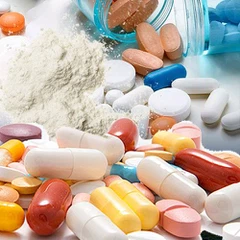
💊 Comprehensive OEM Dosage Forms
Our OEM capabilities cover a wide range of finished product formats:
Capsules: Hard-Shell and Vegetarian.
Tablets: Chewable, Sustained-Release, and Effervescent Tablets.
Powder: Powder Sticks/Sachets.
Liquids & Others: Oral Liquids, Gummies, and Dropper Solutions.

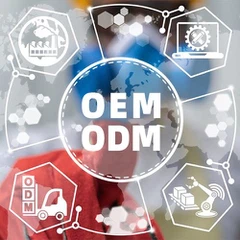
🧪 Our OEM/ODM Workflow
Requirement & Specification Discussion → define active content, mesh size, certification needs;
Sample Development & Pilot Run → small batch pilot for client testing/compliance check;
Quality & Safety Testing → full QC, COA, stability assessment;
Large-scale Production & Batch Release → documented via BPR, COA, traceability records;
Logistics & Export Support → FDA / EU compliance documents, organic certificates, packing & labeling.
💊 Why Choose Jiuyuan as Your Long-Term Supply Partner?
*1. Comprehensive regulatory compliance (USDA / EU Organic, ISO, GMP, FDA, HACCP / ISO22000 / FSSC22000)
*2. Full-chain traceability from farm to final product, batch-level documentation & retention
*3. Robust analytical, testing & QC systems ensuring identity, potency, safety, stability
*4. Flexible OEM / ODM services — from raw ingredients to private-label finished products
*5. Stable annual output (6,000 tons), large facility (70,000 m²), multiple production lines — supporting bulk & small-lot orders
🔬 Get In Touch
Whether you are looking for certified organic herbs, botanical extracts, fruit/vegetable powders, mushroom ingredients, or custom formulations — we are ready to support your brand’s growth.
Telephone:/WeChat/WhatsApp: +86 18502983097
E-mail: elsa.marketing@jiuybiotech.com
Other Services
Packaging specifications
Usually 1kg/bag; 25kg/cardboard barrel; or packaging according to customer needs.
01
Samples
We can supply the free sample, but the shipping cost will be paid by our customers.
02
Discount
For long-term cooperation and bulk orders, we can provide discounts based on the situation.
03
Delivery time
About 3-5 days after payment is confirmed.
04
Payment method
T/T Prepayment、D/Patsight
05
FAQ
We're professional organic plant extract manufacturers and suppliers in China, providing high quality customized service and OEM service. We warmly welcome you to wholesale bulk organic plant extract at competitive price from our factory. For free sample, contact us now.