Product Overview
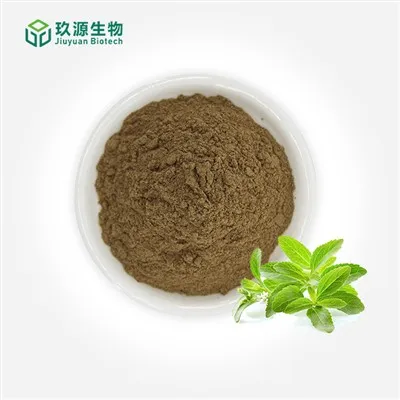
Goji Extract Powder is one of the most adulterated and inconsistently standardized ingredients in the botanical supplement market. Walk through any ingredient trade show and you will find "goji extract" products ranging from spray-dried fruit juice with no meaningful polysaccharide concentration, to legitimately standardized Lycium barbarum polysaccharide (LBP) preparations backed by documented extraction methodology. The gap between these two products - in biological activity, regulatory defensibility, and formulation performance - is enormous. Yet on a spec sheet, both might simply read "Goji Extract, 40%."
At Jiuyuan Bio, we source dried L. barbarum berries exclusively from Ningxia and Qinghai - the two provinces where Chinese pharmacopoeia standards recognize the highest-quality wolfberry cultivation, and where LBP density in the fruit is demonstrably higher than in berries grown at lower altitudes or in less controlled agricultural conditions. Our extraction process is designed to preserve the native polysaccharide architecture that underpins LBP's documented bioactivity, and every batch is standardized by UV spectrophotometry against authenticated reference material.
Technical Specifications
|
Item |
Specification |
|
Basic Product Information |
|
|
Botanical name |
Lycium chinense Miller |
|
Part of the Plant |
Whole Fruit |
|
Country of Origin |
China |
|
Marker Compounds |
|
|
Polysaccharides |
>50% |
|
Organoleptic Data |
|
|
Appearance |
Fine Powder |
|
Color |
Brown |
|
Odor |
Characteristic |
|
Process Data |
|
|
Method of Processing |
Extraction |
|
Solvent(s) Used |
Water |
|
Drying Method |
Spray drying |
|
Physical Characteristics |
|
|
Particle Size (80 mesh) |
98%pass 80mesh |
|
Moisture |
<5.0% |
|
Ash Content |
<9.0% |
|
Heavy Metals |
|
|
Total Heavy Metals |
<10ppm |
|
As |
<1.0ppm |
|
Pb |
<2.0ppm |
|
Cd |
<1.0ppm |
|
Hg |
<0.1ppm |
|
Microbiology |
|
|
Total Aerobic Bacteria Count |
<10,000cfu/g |
|
Total Yeast and Mould Count |
<100cfu/g |
|
E. Coli |
Negative |
|
Salmonella |
Negative |
|
Shelf Life |
24 months under the conditions above and in its original packaging. |
|
Storage |
Store in cool & dry place, keep away from strong light and heat. |
MOQ: Negotiable
OEM/ODM: Available, including custom labeling and formulation support

Manufacturing Process
The biological activity of L. barbarum polysaccharides is intimately tied to their molecular weight distribution and glycosidic linkage patterns - structural features that are highly sensitive to processing conditions. High temperatures, aggressive acidic or alkaline environments, and prolonged extraction times can all fragment the polysaccharide chains, reducing molecular weight and potentially altering bioactivity. This is why process design is not a secondary consideration for this ingredient.
Stage 1 - Raw Material Qualification
Incoming dried L. barbarum berries are authenticated by macroscopic examination, TLC fingerprinting against Pharmacopoeia of the People's Republic of China (ChP 2020) reference standards, and HPLC betaine profiling. Moisture content, SO₂ pre-screening, and pesticide residue screening are completed before any batch enters production. We reject material that shows signs of sulfur fumigation or that fails our internal LBP density pre-screen.
Stage 2 - Aqueous Extraction
Dried berries are extracted using hot water at controlled temperatures (70–85 °C) and defined water-to-material ratios. This aqueous-first approach selectively solubilizes the polar polysaccharide and betaine fractions while minimizing co-extraction of lipophilic pigments that can cause color instability in finished powders. Extraction time is optimized per batch based on incoming raw material moisture and LBP pre-screen data.
Stage 3 - Clarification & Decolorization
The crude aqueous extract is clarified by centrifugation to remove insoluble fruit matrix. For higher-grade LBP preparations (≥40%), a selective decolorization step using food-grade activated carbon removes co-extracted carotenoid pigments and Maillard reaction products that would otherwise cause browning during spray drying. This step is carefully controlled to avoid adsorption of polysaccharide fractions onto the carbon surface.
Stage 4 - Alcohol Precipitation
LBP fractions are precipitated from the clarified extract by addition of food-grade ethanol (typically 3–4 volumes). This selective precipitation step concentrates the polysaccharide fraction while leaving low-molecular-weight sugars, amino acids, and other small molecules in the supernatant - a critical step for achieving high LBP concentrations in the finished powder.
Stage 5 - Concentration & Spray Drying
The precipitated LBP fraction is redissolved, concentrated under reduced pressure at ≤60 °C, and spray-dried to produce the final powder. Maltodextrin may be used as a carrier for lower-grade preparations; high-grade (≥40%) preparations are produced with minimal carrier to maximize LBP concentration per gram of finished powder.
Stage 6 - QC Release & Packaging
Every batch is quarantined pending full analytical release. Finished powder is packaged in double-layer polyethylene bags inside fiber drums (25 kg net) or aluminum foil bags (1 kg, 5 kg) under nitrogen flush to retard oxidative pigment degradation and moisture uptake.
Active Compounds
Lycium barbarum fruit contains a chemically diverse array of bioactive constituents. The commercial and pharmacological literature has focused most intensively on three compound classes, each with a distinct mechanistic profile.
Lycium barbarum Polysaccharides (LBP) - The Principal Bioactive Fraction
LBP is a heterogeneous mixture of glycoconjugates - proteoglycans and polysaccharides with molecular weights ranging from approximately 8 kDa to over 200 kDa, depending on the extraction and fractionation method. The backbone consists primarily of arabinose, glucose, galactose, rhamnose, and mannose residues with varying degrees of branching.
Key documented mechanisms (based on peer-reviewed preclinical and clinical literature):
Antioxidant activity: LBP scavenges reactive oxygen species (ROS) and upregulates endogenous antioxidant enzymes including superoxide dismutase (SOD) and glutathione peroxidase (GPx) in multiple cell line models.
●Retinal neuroprotection: Multiple peer-reviewed studies, including work published in Investigative Ophthalmology & Visual Science, have demonstrated LBP's protective effects on retinal ganglion cells under oxidative stress conditions - a mechanism relevant to age-related macular degeneration (AMD) and glaucoma research.
● Immunomodulation: LBP has demonstrated dose-dependent effects on natural killer (NK) cell activity and T-lymphocyte proliferation in both in vitro and animal models.
● Glycemic modulation: Several small-scale human studies have examined LBP's effects on fasting blood glucose and insulin sensitivity, with results suggesting modest but measurable effects in pre-diabetic populations.
● Neuroprotection: Preclinical evidence suggests LBP may attenuate β-amyloid-induced neurotoxicity, which has generated interest in the context of Alzheimer's disease research.
Betaine (Trimethylglycine)
L. barbarum is one of the richest natural plant sources of betaine, with concentrations in dried fruit ranging from 0.5% to over 1.5% by dry weight. Betaine functions as an osmoprotectant and methyl donor in one-carbon metabolism, with documented roles in homocysteine remethylation, hepatic lipid metabolism, and exercise performance. Its presence in goji extract makes the ingredient particularly relevant for liver health and sports nutrition formulations.
Zeaxanthin Dipalmitate
L. barbarum is the richest known dietary source of zeaxanthin dipalmitate - a carotenoid esterified form that is more stable than free zeaxanthin and is hydrolyzed to free zeaxanthin in the intestinal mucosa prior to absorption. Zeaxanthin is one of only two carotenoids (alongside lutein) that accumulate selectively in the macular region of the human retina, where it functions as a light-filtering and antioxidant pigment. This makes zeaxanthin-standardized goji extract a compelling ingredient for macular health formulations.
Minor Constituents
● Rutin - flavonoid glycoside with antioxidant and capillary-protective properties
● Scopoletin - coumarin derivative with anti-inflammatory activity in preclinical models
● Cerebrosides - sphingolipids present in trace amounts; potential neuroprotective relevance
● Amino acids - including taurine, proline, and glutamic acid; contribute to the osmotic stress tolerance of the plant
Formulator's note: For eye health applications, a zeaxanthin-standardized grade (≥0.5% zeaxanthin dipalmitate) combined with LBP ≥30% provides the most defensible combination of label claims. For general antioxidant and immune support applications, LBP 30%–40% grades offer the best cost-to-efficacy ratio.
Application Matrix
|
End Market |
Recommended Grade |
Typical Inclusion Rate |
Key Functional Role |
|
Eye health / macular support |
Zeaxanthin ≥1.0% + LBP ≥30% |
150–300 mg/serving |
Macular pigment support, retinal protection |
|
Antioxidant supplements |
LBP 30%–40% |
200–500 mg/serving |
ROS scavenging, SOD upregulation |
|
Immune support formulas |
LBP 30%–40% |
200–400 mg/serving |
NK cell activity, lymphocyte modulation |
|
Sports nutrition / recovery |
Betaine 5% grade |
500–2,500 mg/serving |
Methylation support, power output |
|
Liver health supplements |
Betaine 5% grade |
500–1,000 mg/serving |
Homocysteine metabolism, hepatoprotection |
|
Healthy aging / longevity blends |
LBP 40%–50% |
200–400 mg/serving |
Antioxidant, neuroprotective, glycemic support |
|
Functional beverages |
LBP 20% (water-soluble) |
100–300 mg/serving |
Clarity drink, wellness shot |
|
Cosmetic / topical formulations |
LBP 20%–30% |
0.5–2.0% w/w |
Antioxidant skin protection, brightening |
|
TCM / traditional herbal blends |
LBP 20% |
300–600 mg/serving |
Authentic wolfberry formula |
|
Pharmaceutical API intermediates |
LBP 50% |
Per formulation |
Precision neuroprotective / ocular agent |
Regulatory Positioning by Market
● United States: Marketed as a dietary supplement ingredient under DSHEA. L. barbarum has a documented history of use; no novel food restrictions. NDI notification evaluation recommended for new formulations.
● European Union: Lycium barbarum fruit has traditional use status in several EU member states. Check Novel Food Regulation (EU) 2015/2283 for specific extract grades and target markets. Traditional herbal medicinal product (THMP) pathway may be applicable.
● Canada: Natural Health Product (NHP) classification; monograph review recommended.
● Australia: Listed medicine ingredient under TGA; ARTG listing pathway applicable.
Quality Control
Goji Extract Powder presents three QC challenges that are specific to this ingredient and frequently underestimated by buyers:
1. Polysaccharide quantification ambiguity - The phenol-sulfuric acid UV method measures total polysaccharides, including non-LBP polysaccharides that may be present in poorly processed material. A supplier using low-quality raw material with high residual starch or pectin content can inflate apparent LBP values. We conduct parallel glucose interference testing to verify that our LBP values reflect genuine L. barbarum polysaccharide content.
2. SO₂ contamination - As noted above, sulfur fumigation is common in the goji supply chain. We test every batch by ion chromatography and maintain SO₂ levels well below EU MRL thresholds.
3. Color stability - The characteristic red-orange color of goji extract is due to carotenoid pigments (primarily zeaxanthin dipalmitate and β-carotene). These pigments are susceptible to oxidative bleaching, and a powder that arrives vibrant red may fade to tan within months under improper storage. Our nitrogen-flush packaging and low-moisture processing minimize this degradation pathway.
In-Process Controls
● Raw material identity testing (TLC + HPLC betaine profiling) before extraction
● SO₂ pre-screening of incoming dried fruit
● Temperature and pH logging throughout extraction and precipitation stages
● In-process UV checks at the concentration step to verify LBP yield trajectory
Finished Product Testing
Every released batch is accompanied by a Certificate of Analysis (COA) covering:
● LBP assay (UV, phenol-sulfuric acid method)
● Betaine content (HPLC)
● Zeaxanthin content (HPLC, where applicable)
● Physical characteristics (appearance, color, odor, particle size, moisture)
● SO₂ residue (ion chromatography)
● Microbial enumeration (TPC, Y&M, E. coli, Salmonella, Staphylococcus aureus)
● Heavy metals (ICP-MS: Pb, Cd, As, Hg)
● Pesticide residues (GC-MS/MS, EU MRL compliant)
● Solvent residues (GC headspace, ICH Q3C)
Instrumentation
|
Instrument |
Application |
|
UV-Vis Spectrophotometer |
LBP polysaccharide assay |
|
HPLC (Agilent 1260 series) |
Betaine, zeaxanthin, marker compound profiling |
|
ICP-MS |
Heavy metal quantification |
|
GC-MS/MS |
Pesticide & solvent residue screening |
|
Ion Chromatograph |
SO₂ residue quantification |
|
Karl Fischer Titrator |
Moisture determination |
|
|
|


Comparison
Grade-to-Grade Comparison
|
Feature |
LBP 20% |
LBP 30% |
LBP 40% |
LBP 50% |
|
LBP Content |
≥20% |
≥30% |
≥40% |
≥50% |
|
Phytochemical Breadth |
Broad |
Moderate |
Focused |
Highly concentrated |
|
Zeaxanthin Retention |
Higher |
Moderate |
Lower |
Minimal |
|
Label Claim Strength |
Limited |
Moderate |
Strong |
Very strong |
|
Cost Index |
$ |
$$ |
$$$ |
$$$$ |
|
Best For |
TCM blends, beverages |
Eye health, antioxidant |
Nootropic / immune stacks |
Pharma / precision dosing |
Goji Extract vs. Comparable Antioxidant Botanicals
|
Ingredient |
Primary Mechanism |
Water Solubility |
Unique Differentiator |
Clinical Evidence Level |
|
Goji Extract (LBP) |
Polysaccharide antioxidant, retinal protection |
High |
Only significant dietary source of zeaxanthin dipalmitate |
Moderate (growing rapidly) |
| Goji Extract Powder |
Anthocyanin antioxidant, microcirculation |
Moderate |
Retinal microvascular support |
Moderate–High |
|
Astaxanthin |
Carotenoid antioxidant, mitochondrial |
Low (lipophilic) |
Exceptionally high singlet oxygen quenching capacity |
Moderate |
|
Grape Seed Extract (OPC) |
Proanthocyanidin antioxidant |
High |
Cardiovascular, skin collagen support |
Moderate–High |
|
Lutein (Marigold) |
Macular carotenoid |
Low (lipophilic) |
Macular pigment optical density |
High |
Goji extract's distinguishing profile is the combination of high water solubility, a polysaccharide-driven immunomodulatory mechanism, and the zeaxanthin dipalmitate content - a triad that no other single botanical ingredient replicates. For eye health formulations in particular, it complements rather than competes with lutein, addressing a different carotenoid deposition site within the macula.
Buyer Guide
Goji Extract Powder is a category where the difference between a credible supplier and a commodity trader is not always visible on a spec sheet. Here is what experienced procurement teams look for - and where the most common sourcing errors occur.
1. Verify the Standardization Method - UV Is Not Always Sufficient
The phenol-sulfuric acid UV method is the industry standard for LBP quantification, but it is not compound-specific. It measures all reducing polysaccharides in the extract, which can include residual fruit sugars, pectin fragments, and starch hydrolysis products if the extraction process is poorly controlled. Ask your supplier whether they conduct glucose interference correction or parallel HPLC polysaccharide profiling. If they cannot answer this question, treat the LBP number with caution.
2. Ask Specifically About SO₂ Treatment
Sulfur fumigation is endemic in the dried goji supply chain - it improves the visual appearance of the dried fruit and extends shelf life, but it introduces SO₂ residues that are regulated in most markets and that some consumers actively avoid. A supplier who cannot provide an SO₂ test report, or who is unfamiliar with the question, is likely sourcing from the commodity market without raw material-level QC.
3. Understand the Zeaxanthin Stability Issue
Zeaxanthin dipalmitate is more stable than free zeaxanthin, but it is still susceptible to oxidative degradation - particularly in powders with high surface area and residual moisture. If you are formulating an eye health product with a zeaxanthin label claim, request stability data for the extract under your intended storage conditions, not just the freshly manufactured COA value.
4. Geographic Origin Matters - Ningxia vs. Generic Chinese Supply
The Pharmacopoeia of the People's Republic of China (ChP 2020) designates Ningxia as the official daodi (道地) production region for L. barbarum - a designation that reflects centuries of empirical observation that berries from this region consistently exhibit higher LBP and zeaxanthin content than berries from other provinces. While Qinghai and Xinjiang also produce commercially significant volumes, Ningxia-origin material commands a premium for good reason. Ask for a Certificate of Origin and, where possible, request raw material traceability documentation.
5. Minimum Order Quantities & Lead Times
|
Order Size |
Lead Time |
|
Samples (≤100 g) |
3–5 business days |
|
Small commercial (1–10 kg) |
7–10 business days |
|
Bulk (≥25 kg) |
15–20 business days |
|
Custom grades / zeaxanthin-standardized |
Add 10–15 business days |
6. Pricing Drivers
LBP concentration is the primary cost driver, with zeaxanthin-standardized grades carrying an additional premium due to the more complex HPLC-based QC requirements. Ningxia-origin raw material is priced above generic Chinese supply. Volume commitments of ≥10 kg/month typically unlock tiered pricing.
Why Choose Jiuyuan Biotech
- 13+ years of professional experience in plant extract manufacturing
- Stable supply with 10 production lines and annual capacity >6,000 tons
- International certifications: USDA Organic, EU Organic, cGMP, ISO22000, HACCP, FSSC22000
- In-house R&D center with pilot lab for custom formulations and particle size control
- Fast logistics, reliable supply, and flexible packaging options
- Supports third-party testing for active component verification

FAQ
Q1: What is the difference between Lycium barbarum and Lycium chinense, and does it matter for my formulation?
Both species are sold commercially as "goji" or "wolfberry," and both are listed in the Pharmacopoeia of the People's Republic of China. However, L. barbarum is the species with the more extensive pharmacological literature and the higher commercial LBP content. L. chinense (Chinese wolfberry) is more commonly used in traditional Chinese medicine cooking applications and contains lower LBP concentrations. For nutraceutical formulations where LBP is the primary bioactive, specify L. barbarum explicitly and request botanical identity verification in the COA.
Q2: How does LBP molecular weight affect bioactivity, and should I be specifying it?
This is a question that most suppliers cannot answer, which is itself informative. LBP is a heterogeneous polysaccharide mixture, and there is preclinical evidence suggesting that different molecular weight fractions exhibit different biological activities - lower-molecular-weight fractions may have superior intestinal absorption, while higher-molecular-weight fractions may have stronger immunomodulatory effects. For standard nutraceutical applications, molecular weight specification is not yet a commercial norm. For pharmaceutical-grade applications or proprietary clinical research, we can provide fractionated LBP preparations with defined molecular weight distributions upon request.
Q3: Can goji extract be used in functional beverages, and what are the stability challenges?
Yes, and it is increasingly common in wellness shot and clarity drink formats. The primary stability challenges in beverage applications are: (1) color fading due to carotenoid oxidation at low pH, (2) LBP hydrolysis under prolonged heat treatment (pasteurization), and (3) potential Maillard browning in high-sugar matrices. We recommend using LBP 20% water-soluble grade, keeping processing temperatures below 85 °C for the shortest effective time, and incorporating antioxidant co-ingredients (vitamin C, rosemary extract) to protect carotenoid pigments. We can provide stability testing data for specific beverage matrices upon request.
Q4: What is the clinical evidence for goji extract in eye health applications?
The eye health evidence base for L. barbarum is more developed than most formulators realize. A randomized, double-blind, placebo-controlled trial published in Optometry and Vision Science (2021) demonstrated that daily supplementation with L. barbarum extract for 90 days significantly increased macular pigment optical density (MPOD) in healthy older adults - a meaningful outcome given that MPOD is an established surrogate marker for macular health. Earlier work published in Investigative Ophthalmology & Visual Science documented LBP's protective effects on retinal ganglion cells in glaucoma models. The evidence is not yet at the level of lutein/zeaxanthin (which has decades of RCT data), but it is substantially stronger than for most botanical eye health ingredients.
Q5: Is goji extract safe for long-term daily use, and are there any known drug interactions?
L. barbarum has a centuries-long history of dietary use in China, and the safety profile of standardized extracts at typical supplement doses (150–500 mg/day LBP 30%–40%) is considered favorable based on available human data. One clinically documented interaction warrants attention: case reports have described potentiation of warfarin anticoagulant activity in patients consuming large amounts of goji products. The mechanism is not fully characterized but may involve inhibition of CYP2C9-mediated warfarin metabolism. Formulators targeting products for populations on anticoagulant therapy should include appropriate label warnings and consult regulatory counsel.
Q6: How should goji extract be stored to maintain LBP potency and color?
Store in a sealed, nitrogen-flushed container away from direct light, heat, and moisture. Recommended conditions: temperature ≤25 °C, relative humidity ≤60%. Under these conditions, shelf life is 24 months from the date of manufacture. The characteristic red-orange color will gradually fade under suboptimal storage - this is primarily a cosmetic change driven by carotenoid oxidation and does not necessarily indicate LBP degradation, but it can affect the visual appeal of finished products. For color-sensitive applications, refrigerated storage (2–8 °C) is recommended.
Q7: Do you offer zeaxanthin-standardized grades for macular health formulations?
Yes. We offer zeaxanthin dipalmitate-standardized grades at 0.1%, 0.5%, and 1.0% zeaxanthin by HPLC, in combination with LBP standardization. These grades are produced from selected Ningxia raw material with higher natural zeaxanthin density and are tested by HPLC against authenticated zeaxanthin dipalmitate reference standards. For macular health formulations where zeaxanthin is a primary label claim, we strongly recommend the HPLC-quantified zeaxanthin grade over relying on LBP content alone as a proxy for carotenoid levels.
Q8: What documentation do you provide for EU regulatory submissions?
For EU-bound shipments, we routinely provide: full COA with LBP, betaine, and zeaxanthin data; heavy metal and pesticide residue reports (EU MRL compliant); SO₂ residue report; solvent residue report (ICH Q3C); allergen and GMO declarations; sulfur fumigation-free declaration; and botanical identity documentation (L. barbarum vs. L. chinense differentiation). For Novel Food dossier support or traditional herbal medicinal product (THMP) submissions, we can provide manufacturing process descriptions, traditional use evidence, and stability data packages. Additional documentation requirements should be discussed with our technical team prior to order placement.
Contact & Ordering
Jiuyuan Biotech supplies Goji Extract Powder to food manufacturers, supplement brands, and contract formulators across North America, Europe, and the Asia-Pacific region. Our technical team - not a generic sales inbox - handles every inquiry.
Email: info@jiuyuanbio.com
Website: www.jiuyuanbio.com
Request: Sample (500g–1kg) | Bulk Quote | CoA & Spec Sheet | Custom Carrier Ratio
Standard response time: within 1 business day. Please include your target application and annual volume estimate for the most relevant technical recommendation.
Hot Tags: goji extract powder, China goji extract powder manufacturers, suppliers, factory