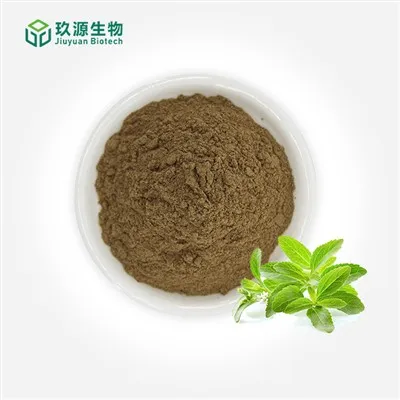
Products Description
Organic Schisandra Chinensis Extract is a botanical ingredient produced from the berries of Schisandra chinensis, a traditional plant species cultivated under certified organic farming standards. The extract is obtained by processing organically grown Schisandra berries using approved physical extraction methods-typically water or food-grade ethanol-without synthetic solvents, chemical modification, or irradiation.
Unlike whole berry powders, organic Schisandra extract concentrates the naturally occurring constituents of the fruit, particularly lignans such as schisandrins, while still reflecting the natural variability inherent to organic agricultural raw materials. For this reason, organic Schisandra extracts are not chemically standardized, but their active compounds can be verified through third-party analytical testing when required.
Organic Schisandra Chinensis Extract is primarily used as a functional botanical ingredient in food, dietary supplement, and plant-based formulations where organic compliance, traceability, and clean-label positioning are essential.
Botanical Information
- Botanical Name: Schisandra chinensis (Turcz.) Baill.
- Common Name: Schisandra Berry, Five-Flavor Berry
- Plant Part Used: Fruit (Berry)
- Origin: China
- Extraction Solvent: Water / Organic Ethanol
- Product Form: Powder
Active Compounds & Organic Characteristics
Schisandra berries naturally contain a range of bioactive lignans, including:
- Schisandrins
- Gomisins
- Other dibenzocyclooctadiene lignans
Important Note on Organic Extracts
Due to the inherent variability of organic agricultural raw materials and the limitations imposed by organic processing standards, fixed or standardized active compound levels cannot be guaranteed.
However, active compounds such as total lignans or specific schisandrins can be tested upon customer request through qualified third-party laboratories using methods such as HPLC. Testing parameters can be customized according to application requirements.
This approach ensures transparency, regulatory compliance, and realistic performance expectations for organic botanical ingredients.
Product Specification
| Item | Description |
|---|---|
| Appearance | Brownish-yellow to brown powder |
| Odor | Characteristic |
| Taste | Slightly bitter |
| Solubility | Partially soluble in water |
| Mesh Size | 80–300 mesh (customizable) |
| Carrier | None or organic maltodextrin (optional) |
| Active Compounds | Schisandrins / Lignans (testable, non-standardized) |
| Organic Certification | USDA NOP, EU Organic |
| Shelf Life | 24 months (stored properly) |
Extraction Process
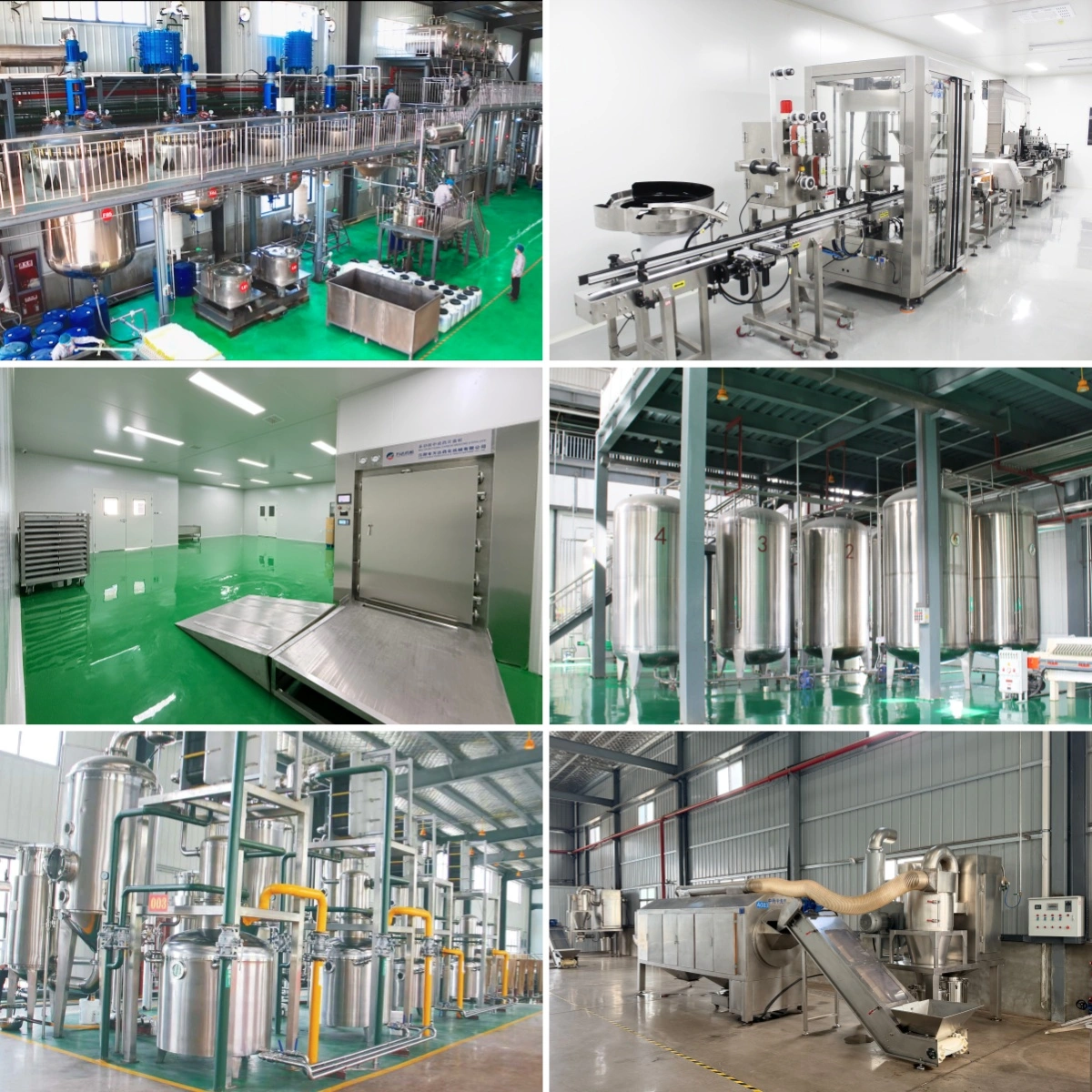
Organic Schisandra Extract is manufactured through a controlled, multi-stage process designed to balance botanical integrity with industrial quality and safety requirements.
Key Processing Steps
1. Raw Material Preparation
Certified organic Schisandra berries are cleaned and inspected to ensure botanical identity and compliance with organic standards.
2. Water or Ethanol Extraction
Extraction is performed using water or food-grade ethanol under controlled temperature conditions to obtain soluble botanical constituents while minimizing unnecessary insoluble components.
3. Plate-Frame Filtration & Butterfly Centrifugation
Following extraction, the liquid extract undergoes:
- Plate-frame filtration to remove coarse insoluble matter
- Butterfly centrifugation to further separate fine suspended solids
This combined system significantly improves extract clarity and reduces insoluble fiber, which is critical for downstream formulation performance and quality consistency.
4. Concentration Under Reduced Pressure
The clarified extract is gently concentrated under vacuum to preserve heat-sensitive plant components.
5. High-Temperature Short-Time (HTST) Sterilization
A high-temperature, short-time sterilization process is applied to effectively reduce microbial load while minimizing thermal impact on the extract.
This step supports compliance with strict microbiological limits without relying on irradiation.
6. Drying & Granulation (Optional)
The extract is converted into powder form via spray drying or vacuum drying.
For specific applications, dry granulation is available to improve:
- Flowability
- Bulk density
- Handling performance during encapsulation or blending
7. Final Quality Inspection & Packaging
Each batch undergoes final inspection before packaging in food-grade materials.
Quality Control Focus
Throughout production, quality control measures emphasize:
- Process-based microbial risk management
- Reduction of insoluble impurities
- Improved consistency between batches
- Compatibility with international regulatory expectations
This integrated process allows greater control compared to simple grinding or minimal processing approaches.
Quality Control
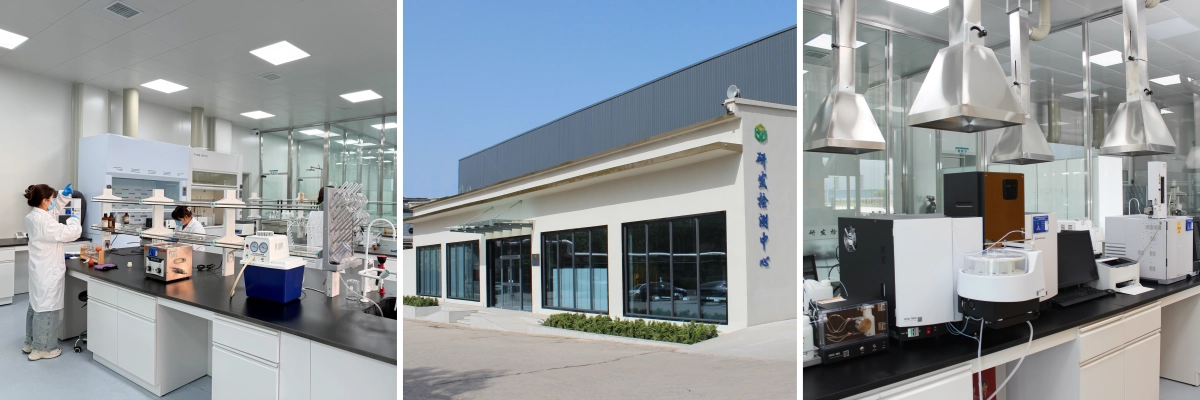
Quality assurance for Organic Schisandra Extract requires vigilance at four specific risk points: species authentication (S. chinensis vs. S. sphenanthera - significantly different lignan profiles), HPLC lignan standardization accuracy (non-specific UV methods overstate lignan content), pesticide multi-residue compliance (schisandra cultivation in Northeast China carries specific pesticide risk profiles), and residual solvent compliance (ethanol extraction requires ICH Q3C Class 3 solvent verification).
In-House Testing Capabilities
|
Test |
Method |
Parameter |
|
Species Authentication |
HPLC lignan fingerprint + macroscopic ID |
S. chinensis confirmed |
|
Schisandrin A |
HPLC-UV (254nm) |
% by weight |
|
Schisandrin B |
HPLC-UV (254nm) |
% by weight |
|
Schisandrol A/B |
HPLC-UV (254nm) |
% by weight |
|
Total Lignans |
HPLC-UV (254nm) |
% by weight |
|
Total Polyphenols |
Folin-Ciocalteu |
mg GAE/g |
|
Heavy Metals |
ICP-MS |
Pb, As, Hg, Cd per EU limits |
|
Pesticide Residues |
GC-MS/MS + LC-MS/MS |
EU MRL + USDA NOP multi-residue |
|
Residual Solvents |
GC-Headspace |
Ethanol ≤5,000 ppm (ICH Q3C) |
|
Microbiology |
Standard plate count |
TPC, yeast/mold, E. coli, Salmonella |
|
Moisture |
Gravimetric |
≤5.0% |
|
Organic CoC |
Certificate audit |
USDA NOP / EU Organic chain verified |
What Ships With Every Order
✅ Batch-specific Certificate of Analysis (COA)
✅ MSDS / Safety Data Sheet
✅ HPLC chromatogram (schisandrin A/B, schisandrol A/B, total lignans)
✅ Species authentication report
✅ Heavy metals report (ICP-MS)
✅ Residual solvents report
✅ Pesticide multi-residue report
✅ Microbiological testing report
✅ Organic Transaction Certificate (TC) - organic grades
✅ Allergen, GMO, and irradiation declaration
✅ Country of origin documentation
Typical Applications
Organic Schisandra Chinensis Extract Powder is commonly incorporated into a wide range of organic and clean-label formulations, particularly where botanical authenticity and regulatory compliance are key considerations.
1. Functional Food Formulations
Used in organic-compliant functional foods where plant-derived ingredients are preferred, such as:
-
Herbal-based beverages and instant drink powders
-
Plant-origin concentrate blends for daily nutrition products
-
Multi-ingredient botanical formulations positioned for long-term dietary use
The extract integrates well with other organic plant extracts and fruit-based ingredients.
2. Botanical and Herbal Blends
Frequently applied in compound herbal formulations, including:
-
Traditional-style botanical combinations
-
Adaptable herbal blend powders for bulk packaging
-
Custom botanical mixes developed for regional or market-specific preferences
Organic Schisandra extract is selected for its compatibility with both traditional and modern botanical systems.
3. Dietary Supplements (Capsules, Tablets, Powders)
Widely used by supplement manufacturers for:
-
Single-ingredient botanical capsules
-
Multi-botanical complex formulations
-
Powdered supplements requiring flexible dosing
The extract form allows more efficient formulation compared to whole berry powder while remaining compliant with organic standards.
4. Plant-Based Nutrition Products
Applied in plant-based and clean-label nutrition products, such as:
-
Vegan and vegetarian supplement lines
-
Organic nutrition powders and sachets
-
Plant-derived ingredient systems designed to exclude synthetic additives
Its botanical origin supports transparent labeling and traceable sourcing.
5. OEM & Customized Formulations
Organic Schisandra Chinensis Extract Powder is also suitable for:
- OEM/ODM projects requiring organic-certified raw materials
- Custom specification products with defined mesh size or carrier options
- Formulations requiring third-party testing documentation to meet import or regulatory requirements
Organic Schisandra Extract vs. Organic Schisandra Berry Powder
While both products are derived from Schisandra chinensis, their processing methods lead to significant differences in application performance, quality control, and safety management.
| Aspect | Organic Schisandra Extract | Organic Schisandra Berry Powder |
|---|---|---|
| Processing Method | Controlled extraction, filtration, and drying | Direct grinding of whole dried berries |
| Solubility & Dispersibility | Improved dispersibility for formulation use | Poor water solubility; high insoluble fiber content |
| Quality Consistency | Batch-level process control | Highly dependent on raw material variability |
| Pesticide Residue Management | Reduced through extraction and purification steps | Residues remain associated with fruit skin |
| Heavy Metal Control | Can be monitored and reduced during processing | Primarily dependent on raw material, difficult to mitigate |
| Microbial Risk | Lower through controlled processing and post-treatment | Higher microbial load, limited post-processing options |
| Application Suitability | Capsules, tablets, instant powders, blends | Limited to coarse powder or traditional uses |
| Regulatory Adaptability | Easier to meet export and compliance requirements | Higher compliance pressure in regulated markets |
Professional Insight:
For manufacturers supplying regulated international markets, organic Schisandra extract is generally preferred due to its better controllability, safety profile, and formulation compatibility, whereas whole berry powder is more suitable for limited or traditional applications where solubility and strict microbiological specifications are not critical.
Schisandra vs. Key Adaptogen Competitors
Understanding how schisandra positions against the broader adaptogen market is essential for formulators building multi-adaptogen blends or choosing a primary adaptogen ingredient.
|
Criterion |
Schisandra |
Ashwagandha |
Rhodiola |
Eleuthero |
|
Primary mechanism |
Lignan-mediated hepatoprotection + HPA |
Withanolide HPA modulation |
Rosavins + salidroside |
Eleutherosides |
|
Hepatoprotection |
★★★★★ (flagship) |
★★☆☆☆ |
★★☆☆☆ |
★★☆☆☆ |
|
Cognitive performance |
★★★★☆ |
★★★☆☆ |
★★★★☆ |
★★★☆☆ |
|
Stress / cortisol |
★★★★☆ |
★★★★★ |
★★★★☆ |
★★★☆☆ |
|
Physical endurance |
★★★☆☆ |
★★★☆☆ |
★★★★☆ |
★★★★☆ |
|
Clinical evidence |
★★★★☆ |
★★★★★ |
★★★★☆ |
★★★☆☆ |
|
TCM heritage |
★★★★★ |
★★★★☆ (Ayurvedic) |
★★★☆☆ |
★★★☆☆ |
|
Consumer recognition |
★★★☆☆ (growing) |
★★★★★ |
★★★★☆ |
★★☆☆☆ |
|
Flavor compatibility |
★★★☆☆ (complex) |
★★★☆☆ (earthy) |
★★★★☆ (mild) |
★★★★☆ (mild) |
Schisandra's unique competitive advantage is its hepatoprotective profile - no other mainstream adaptogen delivers comparable liver health evidence - combined with its authentic TCM heritage and the compelling "five-flavor" sensory narrative that resonates strongly with consumers seeking traditional wellness ingredients.
Why Choose Jiuyuan Biotech
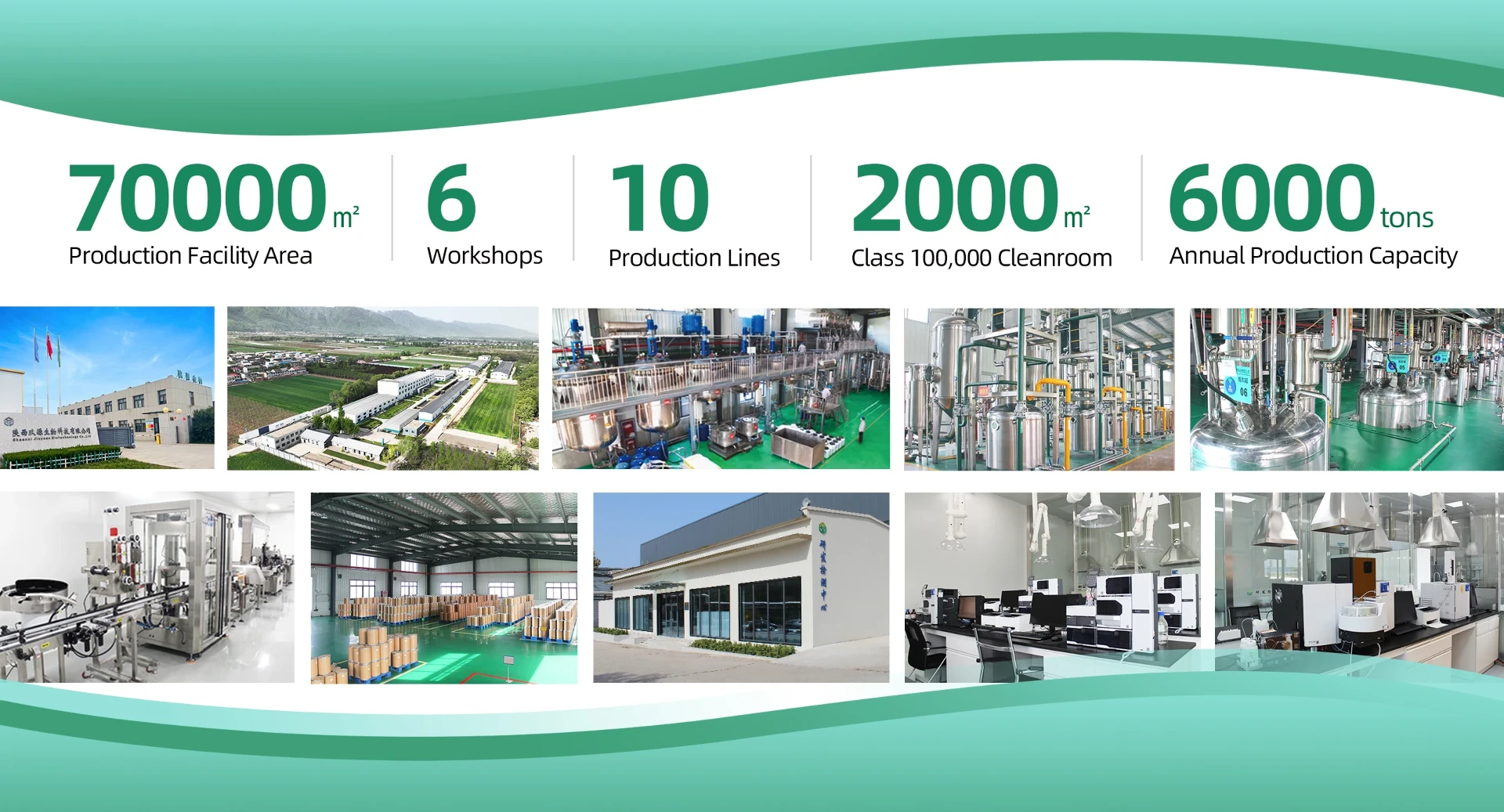
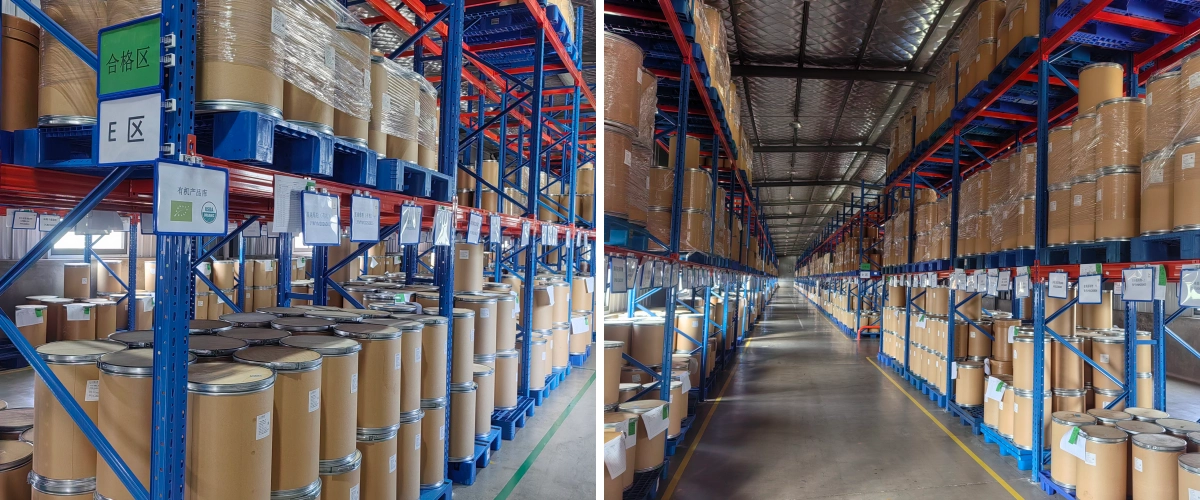
Jiuyuan Biotech is a professional manufacturer of botanical extracts with over 13 years of production experience.
Our strengths include:
- 6 GMP-compliant production workshops covering 70,000 m²
- 10 automated extraction and powder processing lines
- Annual production capacity exceeding 6,000 tons
- Flexible mesh size control from 8 to 350 mesh
- Advanced filtration and drying systems for high extract clarity
- Support for OEM/ODM and customized testing requirements
We work closely with global partners to ensure consistent supply, regulatory compliance, and reliable quality.
Certifications
|
|

Packaging, MOQ & Logistics
- Packaging: 1 kg aluminum foil bags / 25 kg fiber drums
- MOQ: Flexible, depending on specification
- Lead Time: 7–15 working days
- Shipping: By sea, air, or express courier
- Export Markets: North America, EU, Asia-Pacific
FAQ
Q1: What is the difference between Schisandra chinensis and Schisandra sphenanthera?
These are two distinct species used commercially in China under the shared name "Wu Wei Zi." S. chinensis (Northern Schisandra, 北五味子) is the pharmacopoeial standard species - listed in the Chinese Pharmacopoeia as the official Wu Wei Zi - with higher schisandrin A and B content and the strongest clinical evidence base. S. sphenanthera (Southern Schisandra, 南五味子) has a different lignan profile with lower schisandrin content and is listed separately in the Chinese Pharmacopoeia as Nan Wu Wei Zi. For standardized extract production and clinical-dose supplement formulations, S. chinensis is the correct and required species. All our standard grades use authenticated S. chinensis exclusively, verified by HPLC lignan fingerprinting.
Q2: What is the recommended clinical dose for liver health applications?
Clinical studies supporting liver health benefits have typically used doses of 500mg–1,500mg per day of standardized schisandra extract (2–5% schisandrins). For supplement formulations:
Maintenance liver support: 250–500mg/serving, 1–2 servings/day (SCH-2 or SCH-5 grade)
Active liver health support: 500mg–1g/serving, 1–2 servings/day (SCH-5 or SCH-9 grade)
TCM-equivalent dosing: 3–9g/day of whole berry equivalent (SCH-10X or SCH-20X ratio extract)
For supplement label claims, consult your regulatory team regarding structure/function claim substantiation requirements in your target market.
Q3: How does HPLC standardization differ from non-specific UV methods for schisandra?
Non-specific UV spectrophotometric methods measure total UV-absorbing compounds at a given wavelength - which in schisandra includes not only the target lignans but also non-lignan polyphenols, chlorophylls, and other UV-absorbing matrix compounds. This systematically overstates the true lignan content. HPLC with UV detection at 254nm provides individual compound quantification - separating and quantifying schisandrin A, schisandrin B, schisandrol A, schisandrol B, and other individual lignans with specificity that non-specific methods cannot achieve. For B2B ingredient buyers, HPLC standardization is the only analytically defensible basis for schisandrin content claims - and the only method accepted by the Chinese Pharmacopoeia for S. chinensis quality control.
Q4: Is Organic Schisandra Extract safe for long-term use?
S. chinensis has a safety profile established across over 2,000 years of human use in Traditional Chinese Medicine, confirmed in modern toxicological assessment. It is classified as GRAS-equivalent in traditional use contexts. Documented contraindications and cautions include:
- Pregnancy - traditionally contraindicated; avoid during pregnancy
- Epilepsy - schisandrin B's CNS activity warrants caution
- Drug interactions - schisandra lignans are CYP3A4 and P-glycoprotein modulators; potential interactions with drugs metabolized by these pathways (consult prescribing information)
- Intracranial pressure - traditionally contraindicated in conditions of elevated ICP
- For healthy adults, long-term use at recommended doses is considered safe based on traditional use evidence and available toxicological data.
Q5: What carrier or excipients are used in the extract powder?
Standard spray dried extract grades (SCH-1 through SCH-9) use maltodextrin or silicon dioxide as flow agents at minimal levels (≤2%) to ensure powder flowability. Carrier-free grades are available on request for clean-label supplement applications. Organic grades use only organic-compliant excipients. All excipients are declared in the product specification and COA.
Q6: Can schisandra extract be combined with other adaptogens in blended formulations?
Yes - and this is one of the most commercially compelling applications. Schisandra's hepatoprotective profile is highly complementary to:
- Ashwagandha - schisandra's liver support + ashwagandha's cortisol modulation = comprehensive stress + liver wellness formula
- Rhodiola - schisandra's cognitive endurance + rhodiola's physical endurance = performance adaptogen blend
- Milk thistle (silymarin) - dual hepatoprotective mechanism for premium liver health formulas
- Reishi / Chaga - TCM mushroom + adaptogen synergy for immune + liver positioning
We supply all major adaptogen and functional mushroom ingredients and can provide multi-ingredient technical documentation packages for blended formulation development.
Source Organic Schisandra Extract With Confidence
At Jiuyuan Biotech, we supply Organic Schisandra Extract in HPLC-verified, species-authenticated, organically certified grades - from 1% standardized through 9% high-potency and 20:1 ratio extract formats - sourced from authenticated S. chinensis cultivation in Jilin and Liaoning Provinces, extracted under controlled ethanol/water protocols, and backed by individual lignan HPLC quantification, full pesticide multi-residue testing, residual solvent verification, and batch-specific organic Transaction Certificates.
Whether you are building a clinical-dose liver health supplement, a premium adaptogen blend, a nootropic cognitive formula, or a TCM-heritage wellness product, we have the grade, the documentation, and the supply chain integrity to support your formulation from sample to commercial scale.
📧 Email us: info@jiuybiotech.com
🌐 Visit us: www.jiuyuanbio.com
Sample requests, COA downloads, and technical consultations are available at no charge. Our team typically responds within 24 business hours.
Hot Tags: organic schisandra extract, China organic schisandra extract manufacturers, suppliers, factory