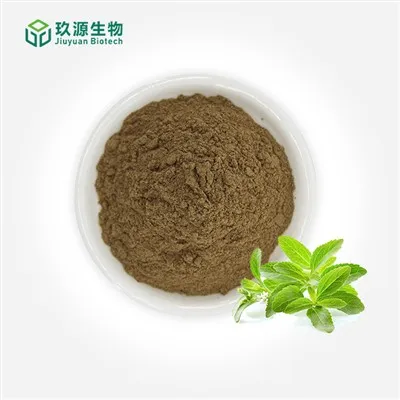
Organic Beetroot Powder (Beta vulgaris L.) – Full-Spectrum Nutrient-Rich Powder
Jiuyuan Biotech Certified Organic Beet Root Powder starts with carefully selected, organically grown whole beetroots (Beta vulgaris L. var. rubra) - one of the most nitrate-dense root vegetables commercially cultivated, with fresh-weight nitrate concentrations documented at approximately 250 mg per kg. Processed through low-temperature dehydration and fine milling, the finished powder retains the full nutritional matrix of the whole root: inorganic nitrates, dietary fiber, vitamins (C, B-complex), minerals (potassium, magnesium, phosphorus, iron), and a rich antioxidant fraction anchored by betalains - a structurally distinct class of nitrogen-containing pigments comprising betacyanins (deep red-violet hue) and betaxanthins (yellow-orange fraction). These compounds are found in virtually no other mainstream ingredient and carry documented antioxidant and anti-inflammatory activity.
The result is a deep red to purplish-red, fine, free-flowing powder with a naturally sweet profile - clean enough for functional beverages, smoothies, and baked goods, concentrated enough for cardiovascular supplements and pre-workout blends, and vivid enough for clean-label natural colorant applications.
At Jiuyuan Biotech, every batch is grown under certified organic protocols, processed without synthetic solvents, and verified by HPLC for betalain content and ion chromatography for nitrate quantification. This is the grade that survives scrutiny - from your R&D bench to your regulatory submission.
Product Specification
| Product Name | Certified Organic Beet Root Powder |
| Origin of country | China |
| Origin of plant | Beta Vulgaris (Beet Root) |
| Item | Specification |
| Appearance | fine red-purple powder |
| Taste & Odor | Characteristic from the original Beet Root powder |
| Moisture,g/100g | ≤ 10.0% |
| Ash (dry basis),g/100g | ≤ 8.0% |
| Fats g/100g | 0.17g |
| Protein g/100g | 1.61 g |
| Dietary fiber g/100g | 5.9g |
| Sodium (mg/100g) | 78 mg |
| Calories (KJ/100g) | 43Kcal |
| Carbohydrates (g/100g) | 9.56g |
| Vitamin A (mg/100g) | 8.0mg |
| Vitamin C (mg/100g) | 4.90mg |
| Pesticide residual, mg/kg |
198 items scanned by SGS or EUROFINS, Complies with NOP & EU organic standard |
| AflatoxinB1+B2+G1+G2,ppb | < 10 ppb |
| PAHS | < 50 PPM |
| Heavy metals (PPM) | Total < 10 PPM |
| Total plate count,cfu/g | < 10,000 cfu/g |
| Mold&Yeast,cfu/g | <50 cfu/g |
| Enterobacteria,cfu/g | < 10 cfu/g |
| Coliforms,cfu/g | < 10 cfu/g |
| E.coli,cfu/g | Negative |
| Salmonella,/25g | Negative |
| Staphylococcus aureus,/25g | Negative |
| Listeria monocytogenes,/25g | Negative |
| Conclusion | Complies with EU & NOP organic standard |
| Nutritional Line | |
| PRODUCT NAME | Organic Beet Root Powder |
| INGREDIENTS | Specifications (g/100g) |
| TOTAL CALORIES(KCAL) | 43 KCAL |
| TOTAL CARBOHYDRATES | 9.56 g |
| FAT | 0.17 g |
| PROTEIN | 1.61 g |
| DIETARY FIBER | 5.90 g |
| VITAMIN A | 8.00 mg |
| VITAMIN B | 0.74 mg |
| VITAMIN C | 4.90 mg |
| VITAMIN E | 1.85 mg |
| BETA-CAROTENE | 0.02 mg |
| SODIUM | 78 mg |
| CALCIUM | 16 mg |
| IRON | 0.08 mg |
| PHOSPHORUS | 40 mg |
| POTASSIUM | 325 mg |
| MAGNESIUM | 23 mg |
| MANGANESE | 0.329 mg |
| ZINC | 0.35 mg |
Packaging & Storage:
1kg aluminum foil bags or 25kg cardboard drums
Store in a cool, dry place, away from direct sunlight
MOQ: 500 kg with TC, 25 kg without TC
Annual Supply Capacity: 6000 metric tons

Active Compounds
Beet root's functional profile is built on three distinct bioactive fractions that operate through different mechanisms. Understanding each one is essential for making defensible label claims and selecting the right grade for your application.
Inorganic Nitrate (NO₃⁻)
The primary driver of beet root's cardiovascular and ergogenic reputation. Fresh beet root contains approximately 250 mg of inorganic nitrate per kg of fresh weight. Upon ingestion, dietary nitrate enters the entero-salivary cycle: roughly 25% of circulating nitrate is concentrated in saliva, where oral anaerobic bacteria reduce it to nitrite (NO₂⁻). Nitrite is then absorbed and further reduced to nitric oxide (NO) in vivo - a vasodilatory signaling molecule with well-documented roles in blood pressure regulation, endothelial function, and mitochondrial oxygen efficiency.
Clinical evidence supports this mechanism: acute supplementation with nitrate-rich beetroot juice (10.5 mmol nitrate) significantly reduced systolic blood pressure in both younger (18–30 years) and older (50–70 years) adults, with older adults showing a greater reduction in diastolic blood pressure (P = 0.005) - a finding with direct relevance for cardiovascular supplement formulations targeting aging demographics.
Betalains
A structurally unique class of water-soluble nitrogen-containing pigments found almost exclusively in plants of the order Caryophyllales. In beet root, two subclasses are present:
● Betacyanins - red-violet pigments, predominantly betanin (betanin-5-O-glucoside) and isobetanin. These are the primary chromophores responsible for beet root's deep red color and its use as food colorant E162.
● Betaxanthins - yellow-orange pigments, predominantly vulgaxanthin I and vulgaxanthin II.
Betalains display potent antioxidant activity in vitro and have demonstrated anti-inflammatory effects in vivo, including inhibition of cyclooxygenase enzymes and reduction of pro-inflammatory cytokine expression. They are structurally unrelated to anthocyanins - a distinction that matters for formulators working with pH-sensitive color systems, as betalains are stable across a pH range of approximately 3–7, whereas anthocyanins shift color dramatically with pH change.
Dietary Fiber
Whole beet root powder retains a meaningful fiber fraction - primarily pectin and cellulose - that contributes to prebiotic activity and supports digestive health claims in functional food applications.
Note: Nutrient concentrations in the finished powder will be proportionally higher based on the concentration ratio. Batch-specific nutrient data is available in our COA.
Other Phenolic Compounds
Beet root also contains caffeic acid, ferulic acid, p-coumaric acid, and epicatechin at minor levels - compounds that contribute to the overall antioxidant capacity of the whole-root matrix.
High-Quality Processing, Strict Quality Control
The integrity of Certified Organic Beet Root Powder is established at the farm, not the factory. Here is how our supply chain and processing protocol are structured - and why each decision has downstream consequences for your finished product.
Stage 1 - Certified Organic Cultivation
Beets are grown on certified organic land with documented soil health records. Soil nitrate levels, heavy metal profiles (with particular attention to cadmium), and microbial ecology are assessed prior to each planting cycle. No synthetic fertilizers, herbicides, or pesticides are used at any stage. Organic certification is maintained through annual third-party audits by accredited certification bodies.
Stage 2 - Harvest Timing & Raw Material Intake
Roots are harvested at peak maturity - the point at which betalain and nitrate concentrations are at their seasonal maximum. Incoming raw material is tested for moisture, betalain content, nitrate concentration, heavy metals, and microbial load before entering the processing line. Lots that fall outside specification are rejected at intake.
Stage 3 - Washing, Peeling & Size Reduction
Harvested roots are mechanically washed, peeled, and sliced under controlled conditions. All contact surfaces are food-grade stainless steel. Water used in processing meets potable water standards and is tested for microbial contamination.
Stage 4 - Low-Temperature Drying
Sliced beet is dried using a low-temperature belt dryer or vacuum dryer, with process temperatures maintained below 65°C to minimize thermal degradation of betalains - which are notably heat-labile and begin to degrade meaningfully above 70°C. This is the step where most commodity processors cut corners, using high-temperature drum drying to reduce cycle time at the cost of pigment and nitrate retention.
Stage 5 - Milling & Sieving
Dried beet is milled to a fine powder and passed through an 80-mesh sieve. Particle size distribution is measured by laser diffraction. Bulk density and flowability parameters (Carr Index, Hausner Ratio) are recorded for each batch.
Stage 6 - Blending & Standardization
For standardized grades, milled powder is blended to target specification and verified against reference standards before packaging. For nitrate-quantified grades, ion chromatography analysis is performed on each blend to confirm nitrate content within the declared range.
Stage 7 - QC Release & Packaging
Every batch is held under quarantine pending full QC release. Product is filled into nitrogen-flushed, double-PE-lined fiber drums. Betalains are sensitive to oxidation and light; nitrogen-flush packaging is standard practice for all grades, not an optional upgrade.
Key Advantages:
Retains full beetroot nutrition and fiber, standardized for B2B applications in supplements, functional foods, and beverages.

Diverse Applications, Large Market Potential
Jiuyuan Biotech's Certified Organic Beet Root Powder offers versatile applications across food, beverage, supplement, and functional product formulations, leveraging the full nutritional profile of whole beetroot, including natural nitrates, vitamins, minerals, antioxidants, and dietary fiber.
1. Functional Beverages and Smoothies
- Moderate Solubility: Unlike beetroot juice powder, whole beetroot powder retains high dietary fiber, which results in partial suspension rather than complete dissolution in water or other liquids.
- Blending Recommendations: Ideal for smoothies, protein shakes, and blended functional beverages. For best results, use high-speed mixing or pre-blended suspensions to ensure a uniform texture.
- Nutritional Advantage: The fiber content not only enhances satiety and digestive health but also stabilizes nutrients for sustained release, making the powder ideal for B2B functional beverage formulations.
- Positioning in Market: Health drink manufacturers can market products emphasizing "whole-root nutrition," "fiber-enriched beverages," or "plant-based functional ingredients", appealing to wellness-focused consumers.
2. Nutritional Supplements and Health Products
- Capsules, Tablets, and Powder Blends: Organic beetroot powder can be incorporated into dietary supplements targeting cardiovascular health, blood pressure regulation, and exercise performance.
- Fiber-Rich Formulations: The retained dietary fiber enhances the nutritional density of powder blends, allowing supplement developers to promote gut health, digestive support, and metabolic benefits.
- Advantage: Manufacturers can position products as premium, full-spectrum beetroot ingredients, differentiating from water-extracted juice powders.
3. Functional Foods and Snacks
- Baking and Confectionery: Natural coloring and nutrient fortification for breads, cakes, pastries, and energy bars.
- Meal Replacement and Nutritional Powders: Adds fiber and antioxidant components to instant meals, energy boosters, and detox blends, providing both visual appeal and functional nutrition.
- Product Innovation: Companies can emphasize "high-fiber, antioxidant-rich" formulations in snacks or functional foods, meeting the growing consumer demand for plant-based, clean-label ingredients.
4. Cosmetics and Personal Care Ingredients
- Antioxidant and Anti-inflammatory Benefits: Can be used in facial masks, creams, serums, and hair products to support skin radiance, oxidative protection, and soothing properties.
- Fiber and Pigment Functionality: Natural pigments contribute to color, while fiber can enhance texture and formulation stability.
Usage Guidance:
For clear beverages, consider blending with beetroot juice powder to improve solubility while maintaining color and nitrate content.
For fiber-rich products, whole beetroot powder provides added functional value, ideal for meal replacement, protein shakes, or gut health supplements.
Pre-testing formulations for suspension stability, texture, and nutrient retention is recommended to optimize product performance and consumer experience.
What Separates Certified Organic from Conventional Beet Root Powder
The price differential between certified organic and conventional beet root powder is real - and so is what you get for it. Here is a structured breakdown of the key differences that matter to B2B buyers.
|
Parameter |
Conventional Beet Root Powder |
Certified Organic (Jiuyuan) |
|
Pesticide Residue Risk |
Present; multi-residue screening required |
Eliminated at source; annual farm audit |
|
Cadmium Monitoring |
Rarely tested at farm level |
Mandatory soil + product testing every cycle |
|
Nitrate Quantification |
Typically absent from COA |
Available as Grade C; IC-verified per batch |
|
Betalain Verification |
UV estimate only (often inflated) |
HPLC-verified against reference standards |
|
Organic Transaction Certificate |
Not applicable |
Issued per shipment; fully auditable |
|
Label Claim Support |
"Beet root powder" only |
"Certified Organic" - legally defensible |
|
Regulatory Documentation |
Minimal |
Full package: OTC, COA, pesticide report |
|
Color Stability |
Variable; drying method often undisclosed |
Low-temperature dried; betalain retention verified |
|
Target Market |
Economy / private label |
Premium, clean-label, EU/US regulated markets |
For brands selling into natural retail channels (Whole Foods Market standards, EU organic regulations, or USDA organic labeling), the organic certification is not a premium add-on - it is a market entry requirement. Conventional beet root powder simply cannot carry the organic claim, regardless of how it is marketed.
Complete International Certification System
Complete International Certification System, Meeting the Multi-faceted Requirements of International Customers
● cGMP: Complies with Good Manufacturing Practices, ensuring standardized production processes.
● USDA ORGANIC: Certified by the U.S. Department of Agriculture, ensuring strict control over raw materials and production processes.
● ISO 9001: Certified by the international quality management system, enhancing market access opportunities.
● ISO 22000: Complies with food safety management system standards, ensuring product safety.
● HACCP: Adopts the Hazard Analysis Critical Control Point system, ensuring food safety.
● FDA: Complies with U.S. Food and Drug Administration standards, ensuring product compliance in the U.S. market.
● Halal: Certified Halal, meeting market demand in Muslim countries and regions.
● Kosher: Complies with Kosher standards, expanding international markets.

Cooperation Advantages
(1) Free Sample Provision: Supports free sample applications to help customers evaluate product quality.
(2) Customized Services: Provides customized packaging and blending services based on customer needs, catering to different market positioning.
(3) Comprehensive After-Sales Service: Provides a return and exchange policy, ensuring worry-free customer purchases.
(4) Optimal Logistics Solutions:
Offers multiple logistics options, including sea, air, and land transportation, ensuring efficient and safe delivery.
Partners with globally renowned logistics companies to provide customized logistics solutions, meeting urgent customer needs.
Provides full logistics tracking services, allowing customers to monitor cargo transportation status at any time.
|
|
|
|
|
Express Under 100kg, 3-5 Days Door-to-door service easy to pick up the goods |
By Sea Over 300kg, Around 30 Days Port to-port-to-port service professional clearance broker needed |
By Air 100kg-1000kg, 5-7 Days Airport-to-airport service professional clearance broker needed |


FAQ
Q1: What is the difference between beet root powder and beet root extract?
Beet root powder is produced by drying and milling the whole root - it retains the full matrix of the vegetable including fiber, minerals, and the complete betalain and nitrate profile in their natural ratios. Beet root extract is a concentrated fraction produced by aqueous or hydroalcoholic extraction, typically standardized to a specific betalain percentage. Powder grades are generally preferred for food and beverage applications where whole-food positioning matters; extract grades are used where a higher active compound density per gram is required, such as in capsule or tablet formats with limited fill weight.
Q2: Is beet root powder a reliable source of dietary nitrate for sports nutrition formulations?
Yes, with an important caveat: the nitrate content of beet root powder varies significantly depending on the cultivar, growing conditions, soil nitrate levels, and processing method. A product labeled "beet root powder" without a quantified nitrate specification cannot support a meaningful sports nutrition claim. Our Grade C provides ion chromatography-verified nitrate content per batch, giving your formulation team a defensible number for label claim development. Published clinical research used doses of approximately 10.5 mmol nitrate (equivalent to roughly 650 mg of inorganic nitrate) to produce significant reductions in systolic blood pressure in human subjects.
Q3: Are betalains stable in acidic beverage formulations?
Betalains are generally stable across a pH range of approximately 3–7, which covers most beverage applications including sports drinks, functional waters, and smoothie mixes. They are more pH-stable than anthocyanins, which shift from red to blue-purple above pH 4. However, betalains are sensitive to heat, light, and oxidation - meaning beverage formulations should use opaque or UV-blocking packaging and minimize heat processing after addition of the beet root powder. We can provide pH and light stability data for our specific grades upon request.
Q4: Can your organic beet root powder be used as a natural food colorant (E162)?
Yes. Betanin extracted from beet root is approved as food colorant E162 under EU Regulation (EC) No 1333/2008. Whole beet root powder used for coloring purposes falls under the category of "food" rather than "food additive" in many regulatory frameworks, which simplifies the approval pathway. However, regulatory classification varies by market and application - we recommend consulting your regulatory affairs team for market-specific guidance. Our compliance team can provide supporting documentation for your regulatory submission.
Q5: How does cadmium contamination occur in beet root, and how do you control it?
Beta vulgaris is a phytoaccumulator - it preferentially absorbs cadmium from soil through the same transport mechanisms it uses for zinc and iron. In conventionally farmed beet root, cadmium levels in the edible root can exceed regulatory limits if grown on soils with elevated cadmium from phosphate fertilizer application or industrial deposition. Our organic cultivation protocol mandates soil heavy metal testing before each planting cycle, and every finished batch is tested for cadmium by ICP-MS. This dual-layer control is not standard practice in the commodity market - it is a specific safeguard we have built into our supply chain because the risk is real and documented.
Q6: What is the recommended storage condition to maintain betalain stability?
Store in sealed original packaging below 25°C, at relative humidity ≤ 60%, away from direct light and heat sources. Nitrogen-flushed packaging significantly retards oxidative degradation of betanin. Under these conditions, our standard shelf life is 24 months from the date of manufacture. Accelerated stability data and real-time stability reports are available for key accounts upon request.
Q7: Do you offer a nitrate-depleted grade for sensitive applications?
Yes. Some formulators require a beet root powder with reduced nitrate content - for example, in products targeting populations with specific health conditions where high nitrate intake is contraindicated, or in applications where nitrate contributes off-notes to flavor. A nitrate-depleted grade is available upon request with a minimum order quantity. Please contact our technical team with your target nitrate specification.
Q8: How do I request a sample or formal quotation?
Samples of 100–500 g are available at no charge for qualified B2B buyers who provide a company name, intended application, and target specification. Courier costs may apply depending on destination. Submit your request via our inquiry form at jiuyuanbio.com or contact our sales team directly. Formal quotations with pricing, lead time, and full documentation are issued within 1–2 business days of receiving your specification requirements.
Request a Sample or Commercial Quote
Jiuyuan Biotech supplies Certified Organic Beet Root Powder to food manufacturers, supplement brands, and contract formulators across North America, Europe, and the Asia-Pacific region. Our technical team - not a generic sales inbox - handles every inquiry.
Email: info@jiuyuanbio.com
Website: www.jiuyuanbio.com
Request: Sample (500g–1kg) | Bulk Quote | CoA & Spec Sheet | Custom Carrier Ratio
Standard response time: within 1 business day. Please include your target application and annual volume estimate for the most relevant technical recommendation.
Hot Tags: certified organic beet root powder, China certified organic beet root powder manufacturers, suppliers, factory