


Introduction
In the health and wellness industry, alfalfa is widely recognized for its rich nutritional content and potential health benefits. It's a common herbal supplement and is also used extensively in animal feed. However, despite its many advantages, not everyone is suited to consume it. Understanding who should avoid alfalfa supplements or products is crucial for ensuring health and safety.
An Overview of Alfalfa
Botany
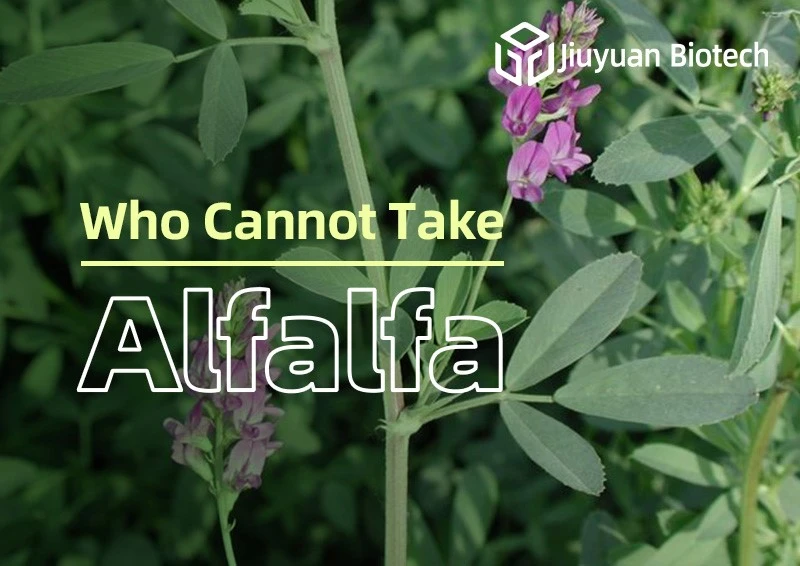
Alfalfa, scientifically known as Medicago sativa, is a perennial herbaceous plant belonging to the legume family. It's native to western and central Asia but is now cultivated globally in temperate regions. Alfalfa has pinnately compound leaves and typically produces purple or blue flowers, with seeds contained in small, flat pods. Its robust adaptability and high nutritional value have made it a staple in both agriculture and herbal medicine.
Nutritional Content
Alfalfa is packed with a variety of nutrients, including essential vitamins and minerals. It's particularly rich in vitamin K, which is vital for blood clotting and bone health. Additionally, it contains minerals like calcium, magnesium, and potassium, all of which are essential for maintaining normal bodily functions.
Beyond vitamins and minerals, alfalfa also contains phytoestrogens and saponins. Phytoestrogens are plant-based compounds that have a chemical structure similar to human estrogen and can potentially influence hormone levels. Saponins are compounds with diverse biological activities, which may be beneficial for cardiovascular health and cholesterol management.
Historical Use
Alfalfa has a long history of medicinal use in various cultures. In traditional Chinese medicine, it was used to clear heat, detoxify, and act as a diuretic. In Indian traditional medicine (Ayurveda), it was used to treat various ailments, including indigestion and arthritis. Modern scientific research has also found that alfalfa may help lower cholesterol, improve digestive health, and boost immunity.
Potential Health Benefits of Alfalfa
Digestive Health
Alfalfa is rich in fiber, which helps improve the function of the digestive system. It can promote intestinal motility, relieve constipation, and help maintain a balanced gut microbiome. Furthermore, the saponin content in alfalfa may offer additional protective effects for digestive health.
Cholesterol Management
Studies show that the saponins in alfalfa can help lower blood cholesterol levels. By binding to cholesterol and promoting its excretion from the body, alfalfa helps reduce the risk of cardiovascular disease. This makes it a potential natural option for those who need to manage their cholesterol levels.
Detoxification
Alfalfa is believed to have detoxifying properties. It can support the liver's detoxification processes, helping the body eliminate harmful substances. This effect may be especially beneficial for those who are frequently exposed to toxins or are looking to cleanse their bodies.
Other Benefits
Alfalfa may also have a potential role in relieving arthritis and boosting immunity. Some studies suggest that the nutrients in alfalfa can reduce joint inflammation and improve joint function. Additionally, the vitamins and minerals in alfalfa contribute to a stronger immune system, helping the body fight off illnesses.
Who Should Avoid Alfalfa
Despite its numerous health benefits, certain individuals may face risks from consuming alfalfa. The following groups should avoid it:
Pregnant and Breastfeeding Women
Pregnant and breastfeeding women should avoid alfalfa. It contains phytoestrogens that could affect hormone levels, posing a potential risk to the fetus's or infant's development. Additionally, there is insufficient research to prove alfalfa's safety for these populations.
Individuals with Autoimmune Diseases
People with autoimmune diseases, such as lupus, should avoid alfalfa. The saponins in alfalfa may stimulate the immune system, potentially worsening the symptoms of these conditions. Therefore, individuals with such diseases should consult a doctor before consuming alfalfa.
Individuals with Hormone-Sensitive Conditions
Those with hormone-sensitive conditions like breast cancer or endometrial cancer should be cautious about consuming alfalfa. The phytoestrogens it contains might affect hormone levels and could potentially exacerbate the symptoms of these diseases. Patients in this group should seek advice from a doctor or nutritionist before taking alfalfa.
Individuals on Anticoagulant Medication
People taking anticoagulant medications, such as warfarin, should avoid alfalfa. Alfalfa is rich in vitamin K, which can interact with these drugs and reduce their effectiveness, thereby increasing the risk of blood clotting. Therefore, it is crucial for individuals on these medications to consult their doctor before consuming alfalfa.
Children
Children's physiological systems are not yet fully developed, making them more sensitive to herbal supplements. There is not enough research to confirm the safety of alfalfa for children, so it is not recommended for them to take alfalfa supplements or consume large amounts of alfalfa products.
Potential Side Effects of Alfalfa
While generally safe for most people, some individuals may experience side effects. Here are some common potential side effects:
Gastrointestinal Issues
Some people may experience gastrointestinal problems like gas, bloating, or diarrhea after consuming alfalfa. These symptoms are often caused by its high fiber content. If these symptoms occur, it's advisable to reduce the dosage or stop consumption.
Allergic Reactions
Some individuals may be allergic to alfalfa. Symptoms of an allergic reaction include rashes, itching, or difficulty breathing. If an allergic reaction occurs, stop taking alfalfa immediately and seek medical attention.
Drug Interactions
Alfalfa may interact with certain medications. In addition to anticoagulants, its phytoestrogens can interact with hormonal medications (e.g., birth control pills, hormone replacement therapy drugs). Alfalfa may also affect the effectiveness of immunosuppressants. Therefore, it is essential to consult a doctor or pharmacist before taking alfalfa to avoid potential drug interactions.
How to Use Alfalfa Safely
To ensure safe use of alfalfa, here are some important recommendations :
Consult a Healthcare Provider
Before you start taking alfalfa supplements or consuming large amounts of alfalfa products, it is highly recommended to consult a doctor or nutritionist. They can provide personalized advice based on your health status and any medications you are taking.
Dosage Recommendations
If a doctor or nutritionist advises you to take alfalfa, strictly follow the recommended dosage. Different forms of alfalfa (e.g., supplements, tea) have different safe dosage ranges. Generally, the safe dosage for alfalfa tea is 1-2 cups per day, while supplement dosages should be adjusted according to the product instructions.
Quality Control
Selecting high-quality alfalfa products is crucial. When purchasing, you should choose reputable brands and quality suppliers and pay attention to the product's ingredients and production date. High-quality alfalfa products should undergo rigorous testing to ensure they are free from impurities and harmful substances, guaranteeing product safety and effectiveness from the source, so consumers can use them with confidence.
Conclusion
Alfalfa is a nutrient-rich herb with various potential health benefits. However, not everyone is suitable for consuming it. Pregnant women, breastfeeding mothers, individuals with autoimmune diseases, those with hormone-sensitive conditions, people on anticoagulant medications, and children should exercise caution or avoid consuming alfalfa. Understanding the potential side effects and how to use alfalfa safely can help you enjoy its health benefits while ensuring your own health and safety. Among numerous alfalfa product suppliers, Shaanxi Jiuyuan Biotech provides a reliable choice for consumers with its strict quality control. Before using any herbal supplement, it is recommended to consult a healthcare provider to make an informed decision. If you would like to try high-quality alfalfa products, you might consider learning about the products from Shaanxi Jiuyuan Biotech to give your health a boost. Email: elsa.marketing@jiuybiotech.com
References
[1] Wang Xiaoming. Research on the Medicinal Value and Safety of Alfalfa [J]. Chinese Traditional and Herbal Drugs, 2021, 52(3): 123-130.
[2] Zhang Hua. The Effect of Alfalfa on Cholesterol Levels [J]. Journal of Nutritional Science, 2020, 42(2): 89-95.
[3] Li Ming. The Application of Alfalfa in Traditional Medicine [J]. Journal of Traditional Chinese Medicine, 2019, 47(4): 56-62.
[4] Liu Yang. Research Progress on Alfalfa and Drug Interactions [J]. Acta Pharmaceutica Sinica, 2022, 57(5): 145-152.
[5] Susan Holmes. Nutritional Components and Health Benefits of Alfalfa [M]. Beijing: Science Press, 2023.
The information above is for reference only. You must consult a professional healthcare provider before using any alfalfa product.