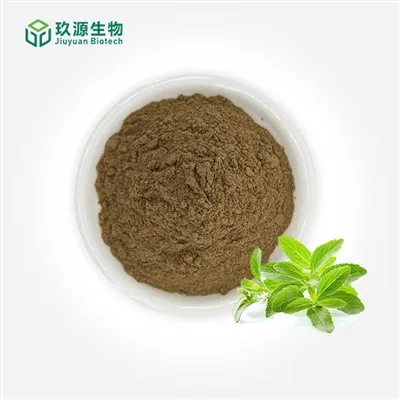


What Is Organic Alfalfa Grass Powder?
Organic Alfalfa Grass Powder is a whole-plant ingredient produced by gently drying and straight milling certified organic alfalfa grass (Medicago sativa). Unlike juice powders or extracts, this product retains the natural plant fiber structure, delivering a full-spectrum nutritional profile that includes dietary fiber, chlorophyll, plant proteins, vitamins, minerals, and naturally occurring phytochemicals. The powder is characterized by its natural green color and fine, uniform particle size, and it disperses well in water to form a suspension rather than a clear solution. Our Alfalfa Grass Powder is widely used in functional foods, green blends, dietary supplements, and pet nutrition formulations where whole-food integrity and clean-label positioning are required. Produced under strict organic and food safety standards, with controlled pesticide residues, heavy metals, and microbiological limits, it offers buyers a reliable botanical ingredient suitable for EU and US markets.
Key Characteristics & Commercial Advantages
Whole-Plant Integrity & Full-Spectrum Nutrition
Straight milled alfalfa grass powder is produced from entire dried alfalfa grass, preserving the plant's natural nutritional matrix. Unlike juice powders, it retains:
- High levels of dietary fiber
- Natural chlorophyll
- Plant-based proteins
- Essential minerals (calcium, iron, magnesium)
- Vitamins and naturally occurring phytochemicals such as saponins
This full-spectrum composition supports applications where natural structure and fiber functionality are valued.
Moisture Control & Storage Stability
- Controlled moisture content (typically below 9–12%)
- Helps improve shelf stability and reduce caking during storage
- Suitable for bulk handling and further processing
Nutritional & Functional Value
Organic Alfalfa Grass Powder is widely recognized as a green nutrition ingredient, offering:
-
High dietary fiber content to support digestive health and gut regularity
-
Natural mineral profile including calcium, iron, and magnesium
-
Chlorophyll-rich composition, often used for nutritional fortification and green blends
These attributes make it suitable for clean-label and whole-food positioning.
Application Scope
Common applications include:
- Functional food formulations (smoothies, green blends, cereals, baked goods, energy bars)
- Dietary supplement powders and capsules
- Plant-based nutrition mixes
- Natural pet food and feed formulations
Not recommended for:
- Clear beverages or transparent liquid drinks without stabilizers
- Applications requiring complete solubility and visual clarity
Common Specifications
Botanical Name: Medicago sativa
Part Used: Whole dried aerial parts (grass)
Form: Fine green powder, straight milled (not juice powder)
Particle Size:
Standard: 80–200 mesh
Ultra-fine: up to 300–350 mesh (optional)
Bulk Density: 0.25–0.45 g/mL (adjustable by particle size or granulation)
Moisture Content: ≤9–12%
Ash Content: ≤8–10%
Protein Content: 15–22% (typical, depending on source)
Chlorophyll Content: ≥0.5% (varies by batch and drying method)
Solubility / Dispersibility: Dispersible in water, forms suspension; not fully soluble
Granulation (Optional): Dry granules, 8–60 mesh for easy handling and dosing
Packaging: 25 kg/drum (food-grade inner liner); customized packaging available
Shelf Life: 24 months under recommended storage
Certifications: USDA Organic, EU Organic, cGMP, HACCP, ISO22000, FSSC22000, HALAL, KOSHER
Active Compounds
The nutritional profile of organic alfalfa grass powder is broader than most single-ingredient botanicals. Here is what the phytochemical matrix actually contains - and why each fraction matters for formulation.
Vitamins
|
Vitamin |
Form Present |
Relevance |
|
Vitamin K1 (Phylloquinone) |
Native plant form |
Bone metabolism, coagulation cascade; alfalfa is one of the richest plant sources |
|
Vitamin C (Ascorbic acid) |
Free form |
Antioxidant; collagen synthesis; immune support |
|
Folate (B9) |
5-methyltetrahydrofolate |
Methylation cycle; prenatal nutrition |
|
Thiamine (B1) |
Free form |
Energy metabolism; neurological function |
|
Riboflavin (B2) |
Free form |
Mitochondrial energy production |
|
Niacin (B3) |
Nicotinic acid |
NAD+ precursor; metabolic support |
|
Pantothenic acid (B5) |
Free form |
Adrenal support; CoA synthesis |
|
Vitamin E (tocopherols) |
Mixed tocopherols |
Lipid antioxidant; membrane protection |
|
Beta-carotene (pro-Vitamin A) |
All-trans form |
Antioxidant; immune support; skin health |
Minerals
|
Mineral |
Role |
|
Calcium |
Bone density; neuromuscular function |
|
Magnesium |
300+ enzymatic reactions; energy metabolism |
|
Iron |
Hemoglobin synthesis; oxygen transport |
|
Zinc |
Immune function; wound healing; enzyme cofactor |
|
Potassium |
Electrolyte balance; cardiovascular function |
|
Phosphorus |
Bone mineralization; ATP synthesis |
|
Manganese |
Antioxidant enzyme (MnSOD) cofactor |
|
Copper |
Collagen cross-linking; iron metabolism |
The mineral density of alfalfa reflects its deep root system - accessing subsoil mineral reserves unavailable to most crops.
Bioactive Phytonutrients
- Chlorophyll a & b - antioxidant; detoxification support; alkalizing effect; vivid green color for visual product differentiation
- Saponins - cholesterol-binding activity in the GI tract; documented in multiple in vitro and animal studies
- Flavonoids (tricin, luteolin, apigenin, quercetin) - anti-inflammatory; antioxidant; cardiovascular protective
- Phytoestrogens (coumestrol, formononetin) - estrogen receptor modulation; relevant for women's health formulations
- Dietary fiber - prebiotic activity; digestive support
- Plant protein (≥18%) - complete amino acid profile including all essential amino acids
Production Process
The production of Organic Alfalfa Grass Powder follows a strictly controlled process designed to preserve whole-plant nutrition while meeting international food safety and organic compliance requirements.
(1) Cultivation and Harvesting
Alfalfa is cultivated under certified organic farming systems, without the use of synthetic pesticides, herbicides, chemical fertilizers, or GMOs. Harvesting is conducted at an optimal growth stage to ensure a balanced nutrient profile and consistent color, fiber structure, and chlorophyll content.
Key control points:
-
Organic certification compliance (USDA / EU Organic)
-
Soil monitoring for heavy metals
-
Pre-harvest residue risk assessment
(2) Washing and Cutting
Freshly harvested alfalfa grass is thoroughly washed using potable water to remove soil, dust, and foreign matter. The material is then cut into uniform lengths to facilitate even drying and downstream processing.
Key control points:
-
Removal of physical contaminants
-
Hygienic handling to prevent microbial cross-contamination
(3) Drying Process
Hot air drying is commonly applied to reduce moisture while maintaining product stability. Freeze-drying may be used as an optional process for premium applications where maximum color and heat-sensitive nutrients are required.
Key control points:
-
Controlled drying temperature and time
-
Final moisture content typically controlled below 9–12%
-
Prevention of microbial growth during drying
(4) Pulverization and Sieving
Dried alfalfa grass is mechanically milled into powder and sieved to obtain standard particle sizes, commonly ranging from 80 to 200 mesh. This step produces a traditional straight milled whole-plant powder with intact dietary fiber.
Key control points:
-
Particle size uniformity
-
Prevention of metal contamination (magnetic separation)
-
Temperature control to avoid nutrient degradation
(5) Ultra-Micro-Crushing (Optional)
For applications requiring improved dispersibility and finer texture, ultra-micro-crushing technology can be applied. This process reduces particle size further without chemical modification, improving suspension behavior in formulations while maintaining whole-plant composition.
Key control points:
-
Narrow particle size distribution
-
No use of solvents or additives
-
Controlled milling heat generation
(6) Dry Granulation (Optional)
Dry granulation may be applied when improved flowability, reduced dusting, or customized particle size (e.g., 8–60 mesh granules) is required. This process uses mechanical compaction without moisture or binders, preserving organic integrity.
Key control points:
-
No water or chemical binders added
-
Granule strength and uniformity
-
Improved bulk density and handling performance
(7) Packaging and Storage
The finished powder or granules are packed in food-grade, moisture-resistant packaging materials. Products are stored in cool, dry conditions to maintain stability and shelf life.
Key control points:
-
Oxygen and moisture control
-
Batch traceability and labeling compliance
(8) Quality Control and Safety Assurance
Comprehensive quality control is implemented throughout the entire production process to ensure product safety and regulatory compliance.
Mandatory testing includes:
- Pesticide residues: compliant with EU and US organic limits
- Heavy metals: Lead, Arsenic, Cadmium, Mercury within international standards
- Microbiological limits: Total plate count, yeast & mold, E. coli, Salmonella
- Moisture and physical specifications: particle size, bulk density
Each batch is supported by a Certificate of Analysis (COA) and full traceability from raw material to finished product.
Process Outcome
Through controlled cultivation, gentle drying, precision milling, optional ultra-fine processing, and strict quality control, Our Alfalfa Grass Powder retains its whole-plant nutritional integrity, high dietary fiber content, and natural green color, while ensuring safety, consistency, and stability for global food, supplement, and pet nutrition applications.

Application Matrix
|
Industry Segment |
Application |
Recommended Grade |
Suggested Use Level |
|
Greens Blends & Superfood Powders |
Core green ingredient in multi-botanical blends |
Standard / High-Chlorophyll |
1–5 g/serving |
|
Dietary Supplements |
Capsules, tablets - multivitamin, alkalizing, detox |
Fine Milled (100 mesh) |
500 mg–2 g/serving |
|
Functional Beverages |
Green drinks, wellness shots, RTD smoothies |
Juice Powder (low-fiber) |
1–3 g/serving |
|
Sports Nutrition |
Plant protein blends, recovery, alkalizing stacks |
Standard / High-Protein |
2–5 g/serving |
|
Animal Nutrition |
Premium pet supplements, equine health products |
Standard |
Per species protocol |
|
Functional Foods |
Protein bars, crackers, pasta, baked goods |
Standard (80 mesh) |
1–3% w/w |
|
Cosmeceuticals |
Detoxifying face masks, chlorophyll-rich topicals |
Fine Milled (100 mesh) |
1–3% w/w |
|
Weight Management |
Satiety blends, meal replacement matrices |
Standard / High-Protein |
2–5 g/serving |
Formulation Compatibility Notes
- Chlorophyll is pH-sensitive: stable at pH 6–8; degradation accelerates below pH 5. In acidic beverage formulations, chlorophyll copper complex (sodium copper chlorophyllin) is more stable - but for whole-food positioning, natural chlorophyll from alfalfa powder at pH ≥5.5 performs well
- Alfalfa powder's vitamin K1 content is significant - relevant for products targeting anticoagulant drug users; include appropriate label advisory language in finished products
- The saponin fraction can contribute mild bitterness at high inclusion levels (>3 g/serving) - flavor masking or encapsulation may be warranted for taste-sensitive applications
- Fine milled grades (100–120 mesh) offer significantly better capsule-filling flowability and tablet compression behavior than standard 80 mesh grades
Product Comparison: What Separates Premium Organic Alfalfa Powder from Commodity Material
The alfalfa powder market has a wide quality spread. Here is what the differences actually mean for your formulation and your label.
|
Parameter |
Commodity Alfalfa Powder |
Conventional Standardized |
Jiuyuan Bio Organic Grade |
|
Organic certification |
No |
Rarely |
USDA + EU Organic, every batch |
|
Harvest stage control |
Variable |
Sometimes |
Pre-flowering stage, documented |
|
Drying temperature |
High (>80°C) |
Moderate |
Low-temperature (<55°C) |
|
Chlorophyll integrity |
Degraded (olive/brown) |
Partial |
Intact - vivid green, measured |
|
Vitamin C retention |
Low |
Moderate |
High - low-temp processing |
|
Pesticide residue risk |
High |
Moderate |
Mitigated - organic + multi-residue testing |
|
Milling method |
Ambient temperature |
Ambient |
Cryogenic - heat-free particle reduction |
|
Particle size verification |
Rarely |
Sometimes |
Laser diffraction, every batch |
|
OTC for EU import |
Not available |
Not available |
Provided with every shipment |
|
Label claim: "organic" |
No |
No |
Yes - USDA + EU |
|
Third-party verification |
Rarely |
Available |
Standard - ISO 17025 labs |
The color difference between low-temperature processed and high-temperature processed alfalfa powder is visible to the naked eye - and it is the most immediate indicator of processing quality that your customers and retail buyers will notice first.
Organic Certification
Our organic alfalfa powder is certified by internationally recognized bodies, including USDA Organic and EU Organic. These certifications guarantee that our entire process, from cultivation to processing, adheres to strict organic standards, ensuring the absence of chemical pesticides, fertilizers, and GMOs. Every batch of our alfalfa powder undergoes rigorous quality control to meet the highest organic requirements.
|
|
|


Delivery Methods
|
|
|
|
|
By Air 100kg-1000kg, 5-7Days Airport-to-airport service professional clearance broker needed |
By Sea Over 300kg, Around 30 Days Port-to-port service professional clearance broker needed |
Express Under 100kg, 3-5Days Door-to-door service easy to pick up the goods |


Packages and Payments
| Storage: Store in a cool, dry, and clean place. Protect from moisture and direct light. Bulk Packaging: 25 kg / drum (food-grade inner liner). Lead Time: 7 days after order confirmation. Shelf Life: 24 months under recommended storage conditions. Payment Terms: T/T in advance, T/T 30% deposit with 70% balance before shipment, or other payment terms negotiable depending on order value and cooperation history. Remark: Customized specifications, particle size, and packaging options are available upon request. |
|

Why Choose Jiuyuan Biotech
- Certified USDA & EU Organic, cGMP, ISO22000, FSSC22000
- Full batch traceability with COA support
- Strict control of pesticides, heavy metals, and microbiology
- 6 workshops, 10 production lines, stable long-term supply
- Straight milling, ultra-fine grinding & dry granulation available
- Customized particle size and specifications
- 13+ years manufacturing experience
- Professional technical and documentation support

Buyer Guide
The Sourcing Challenges That Affect Product Quality and Market Access
Challenge 1: Chlorophyll degradation from heat processing - and how to detect it
The single most common quality failure in commodity alfalfa powder is chlorophyll degradation caused by excessive drying temperatures. Chlorophyll converts to pheophytin above approximately 60°C - losing its vivid green color and its biological activity. A COA that lists protein and moisture but does not report chlorophyll content by spectrophotometric method is a red flag. Always request chlorophyll data and CIE Lab* color measurements alongside standard parameters.
Challenge 2: Pesticide residue compliance for EU and US market entry
Conventional alfalfa is a heavily treated crop in many growing regions. EU Reg. 396/2005 maximum residue levels for botanical food ingredients are among the world's most stringent. Without multi-residue screening on every batch, you carry real import rejection risk. Organic certification, combined with batch-level pesticide testing, is the reliable mitigation strategy.
Challenge 3: Harvest stage inconsistency affecting nutritional density
Alfalfa harvested post-flowering has a significantly different nutritional profile from pre-flowering material - lower chlorophyll, lower protein, higher fiber. Suppliers who do not document and control harvest stage deliver inconsistent nutritional content across batches. Request harvest stage documentation and batch-specific protein and chlorophyll data as standard procurement requirements.
Challenge 4: Missing OTC documentation for EU organic market entry
EU organic labeling requires an Organic Transaction Certificate (OTC) that traces the specific batch of raw material through the certified supply chain. We provide OTC documentation with every commercial shipment as standard - not as a premium service.
Who This Product Is For
Greens blend and superfood powder brands seeking a clean-label, organic-certified foundational green ingredient
Supplement manufacturers formulating multivitamin, alkalizing, detox, or chlorophyll-focused products
Sports nutrition brands building plant-based protein and recovery formulations
Functional food manufacturers incorporating green ingredients into bars, snacks, and beverages
Pet supplement and equine health product manufacturers
Private label / OEM manufacturers requiring document-ready, certified organic raw materials
Distributors supplying EU, US, Australian, or Canadian markets
How to Order
① Request a Sample Email info@jiuybiotech.com with your target grade, mesh size, intended application, required certifications, and destination market. We ship 50–100 g samples with full COA, TDS, MSDS, and organic certificate copies.
② Technical Consultation Our formulation team reviews your application and recommends the optimal grade, particle size, and use level. Stability guidance and compatibility data are provided at no charge.
③ Quotation & Pricing Pricing is tiered by volume. MOQ is 1 kg. Standard lead time is 7–14 business days for stock grades. Significant price breaks apply at 25 kg, 100 kg, and 500 kg+.
④ Order & Documentation Every shipment includes: batch COA (in-house + third-party), OTC, MSDS, TDS, pesticide residue report, heavy metal report, and any market-specific compliance documentation required for customs clearance.
FAQ
Q1: Why does the color of alfalfa powder matter - and how do I evaluate it?
Color is the most immediate and reliable proxy for processing quality in alfalfa powder. Vivid, deep green indicates intact chlorophyll - meaning the material was harvested at the right stage and dried at temperatures below the chlorophyll degradation threshold (~60°C). Olive, dull green, or brownish powder indicates pheophytin formation - the irreversible thermal degradation product of chlorophyll. Once chlorophyll has degraded, heat-sensitive vitamins (particularly vitamin C and folate) have also been compromised. Always request CIE Lab* color measurements and spectrophotometric chlorophyll data from your supplier - not just a visual description.
Q2: What is the difference between alfalfa grass powder and alfalfa leaf powder?
Alfalfa grass powder is produced from the whole aerial parts of the plant - leaf and stem - harvested at the pre-flowering stage. Alfalfa leaf powder uses only the leaf fraction, which has a higher chlorophyll and protein content but lower fiber content than whole-plant material. For supplement capsule and tablet applications where nutrient density per gram is the priority, leaf-dominant grades are preferred. For greens blends and functional food applications where fiber content contributes to the product's nutritional profile, whole-plant grades are appropriate. We offer both formats - specify your preference when requesting a sample.
Q3: Is organic alfalfa grass powder suitable for use in functional beverages?
Yes, with the correct grade selection. Our juice powder (low-fiber) grade is specifically processed to reduce insoluble fiber content, improving dispersibility in aqueous systems. At recommended use levels (1–3 g/serving), it disperses without excessive cloudiness and contributes a characteristic green color. Note that natural chlorophyll is pH-sensitive - for acidic beverage formulations (pH below 5), color stability should be validated in your specific formulation matrix. We provide stability data for beverage applications on request.
Q4: Does alfalfa powder contain significant vitamin K? Is this a formulation concern?
Yes - alfalfa is one of the richest plant sources of vitamin K1 (phylloquinone). This is nutritionally valuable for bone health and cardiovascular formulations, but it is a relevant consideration for products used by individuals on anticoagulant medications (particularly warfarin/coumadin), where consistent vitamin K intake is important for dose management. We recommend including an appropriate advisory statement on finished product labels for formulations with significant alfalfa inclusion levels. This is a labeling and regulatory compliance matter - consult your regulatory team for jurisdiction-specific requirements.
Q5: What certifications do I need for selling alfalfa powder-containing products in the EU?
For EU market entry, you will need: EU Organic certification documentation (including the Organic Transaction Certificate for the specific batch), pesticide residue compliance to EU Reg. 396/2005, heavy metal compliance to EU maximum residue levels for botanical food ingredients, and standard food safety documentation (COA, MSDS). Medicago sativa (alfalfa) has an established history of use as a food supplement ingredient in the EU. We provide a complete EU market documentation package with every commercial shipment.
Q6: Can alfalfa grass powder be used in pet supplement formulations?
Yes. Alfalfa has a long history of use in animal nutrition, particularly in equine and small animal supplements, where it contributes chlorophyll, vitamins, minerals, and dietary fiber. For pet supplement applications, the same quality parameters apply - organic certification, pesticide residue testing, and heavy metal compliance are all relevant for premium pet product positioning. Specify your intended species and application when requesting a quotation, as dosage recommendations and regulatory requirements vary by market and species.
Q7: How do you ensure batch-to-batch consistency in chlorophyll content?
Chlorophyll content in alfalfa is naturally variable - influenced by harvest timing, growing conditions, and processing. We manage this variability through three controls: fixed harvest stage protocols (pre-flowering only, documented per lot), controlled low-temperature drying with inlet temperature monitoring logged throughout each production run, and spectrophotometric chlorophyll measurement on every batch with a minimum specification of ≥1,000 mg/kg. Batches that fall below specification are not released. For high-chlorophyll grade orders, the minimum specification is ≥1,500 mg/kg.
Q8: Do you offer custom mesh sizes or OEM manufacturing?
Yes. We offer custom particle size specifications (80, 100, and 120 mesh as standard; finer specifications available on request), custom blend formulations incorporating alfalfa with other organic green ingredients, and full OEM services including private label capsule, tablet, and sachet manufacturing. Organic-certified OEM production is available for brands requiring certified organic finished products. Contact info@jiuybiotech.com with your target specification and intended market for a detailed OEM quotation.
Request a Sample
If you are building a greens blend, a plant-based supplement, a functional food, or a certified organic product line, the right conversation starts with your specification. Tell us your target chlorophyll level, particle size, intended application, required certifications, and destination market. We will match you with the right grade, ship a fully documented sample, and support your formulation from ingredient selection through to regulatory sign-off.
📧 Email: info@jiuybiotech.com 🌐 Website: www.jiuyuanbio.com
Samples available. COA, TDS, MSDS, OTC, and pesticide residue reports provided with every inquiry. Low-temperature processed, cryogenically milled, USDA & EU Organic certified - this is what premium Organic Alfalfa Grass Powder looks like.
Hot Tags: organic alfalfa grass powder, bulk alfalfa powder supplier, alfalfa leaf powder wholesale, USDA organic alfalfa powder, alfalfa grass powder B2B, Medicago sativa powder, green superfood ingredient supplier, alfalfa chlorophyll powder, organic alfalfa extract manufacturer, alfalfa powder nutraceutical ingredient