Introduction: The Secret of Color, from Nature
Color is the vibrant cloak that nature bestows upon the world. From the inviting hue of a bottle of natural orange juice to the warm tone of a plate of curry rice, color not only attracts our eyes but also touches our emotions. But where do these captivating colors come from? In today's pursuit of health and sustainability, natural pigments are increasingly replacing synthetic ones and becoming a mainstream industry trend. Today, let's explore two natural yellows-turmeric yellow and gardenia yellow-and discover what makes them different. This article will take you on a journey to uncover the secrets behind these two yellow pigments and the stories they hold.

Turmeric: A Gift from the Sun-Kissed Earth
The Plant's Origin
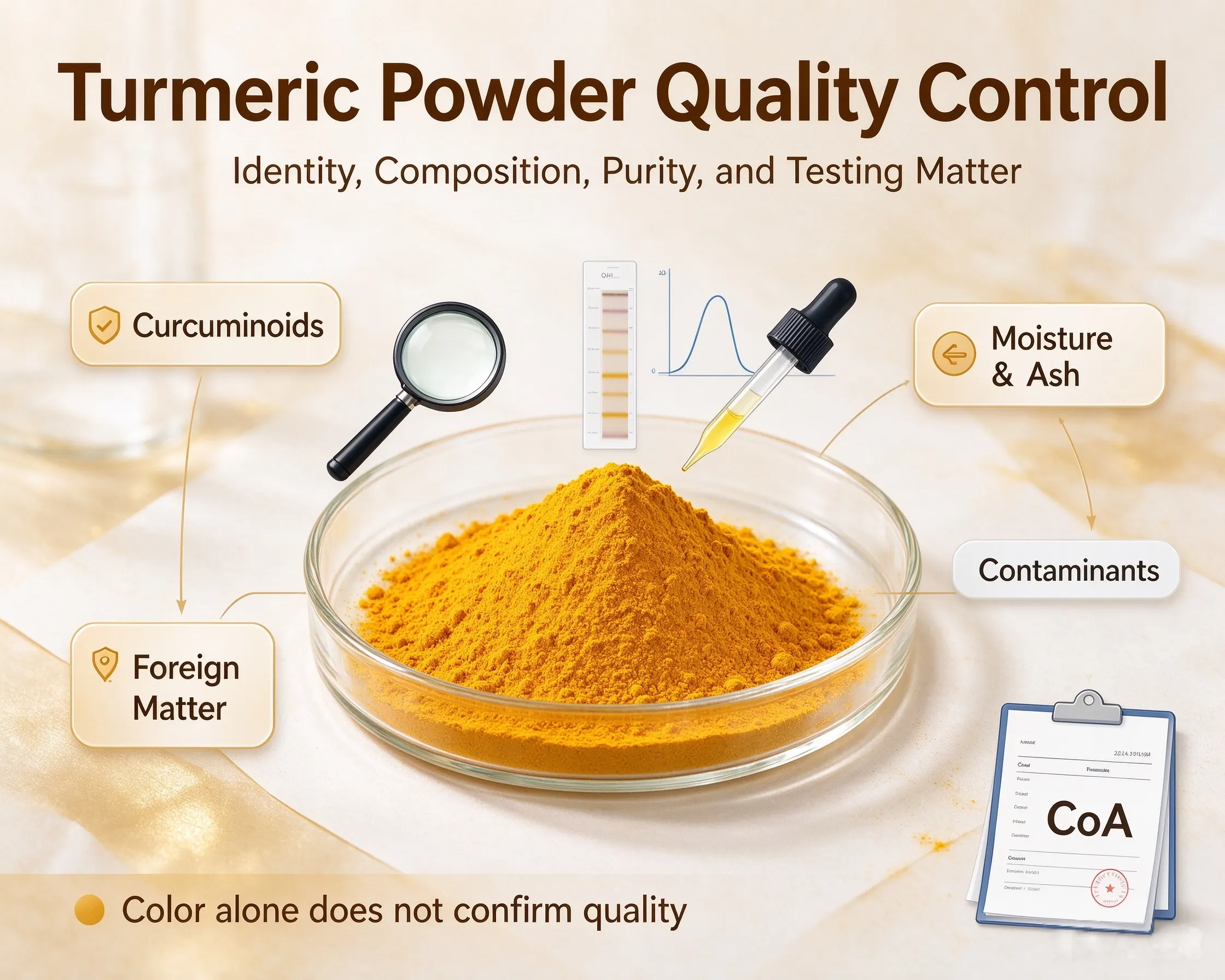
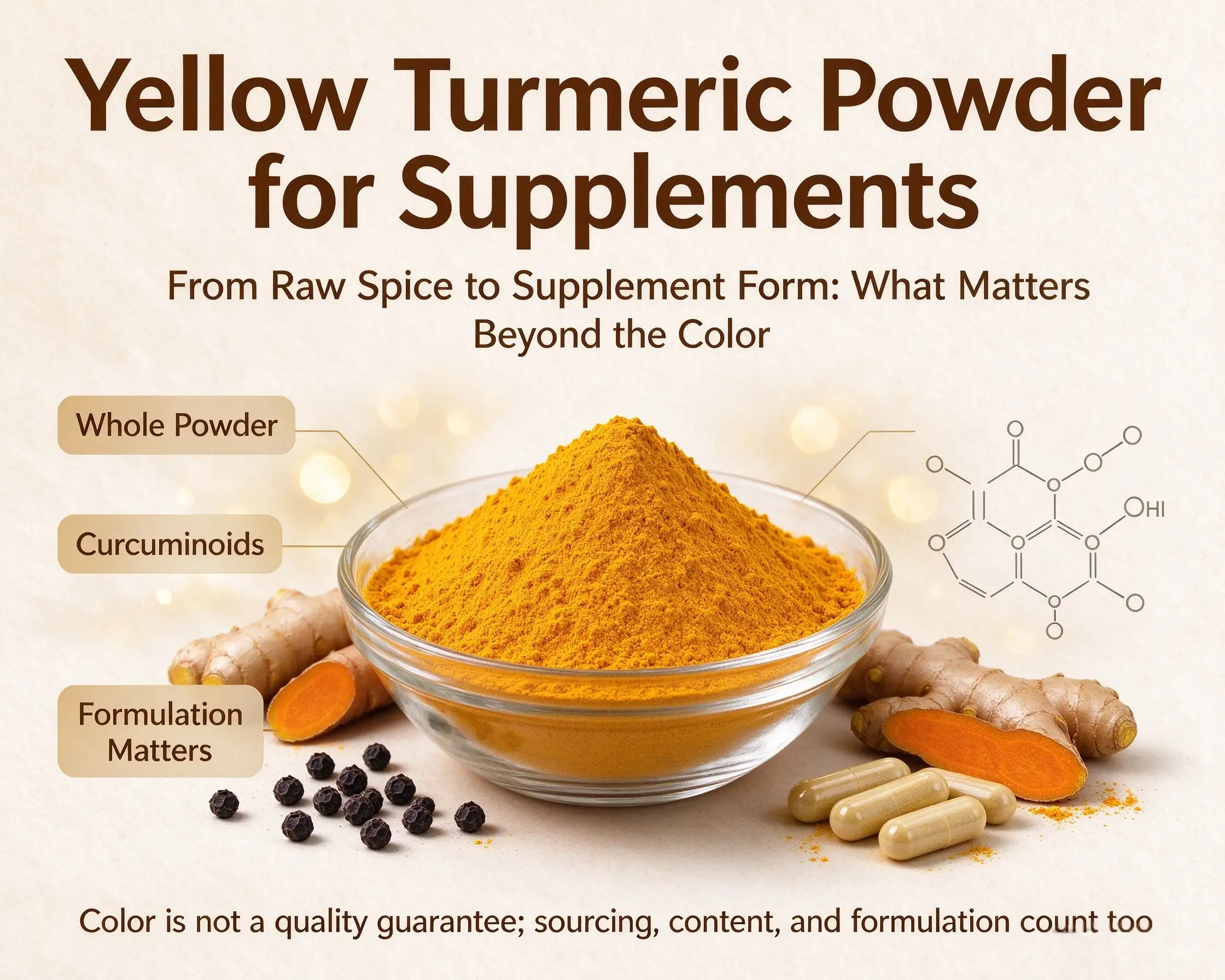
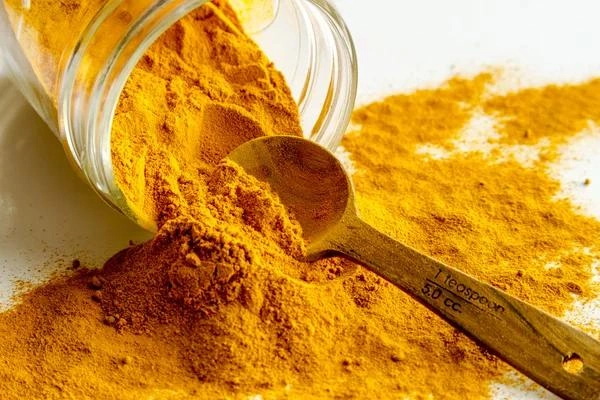
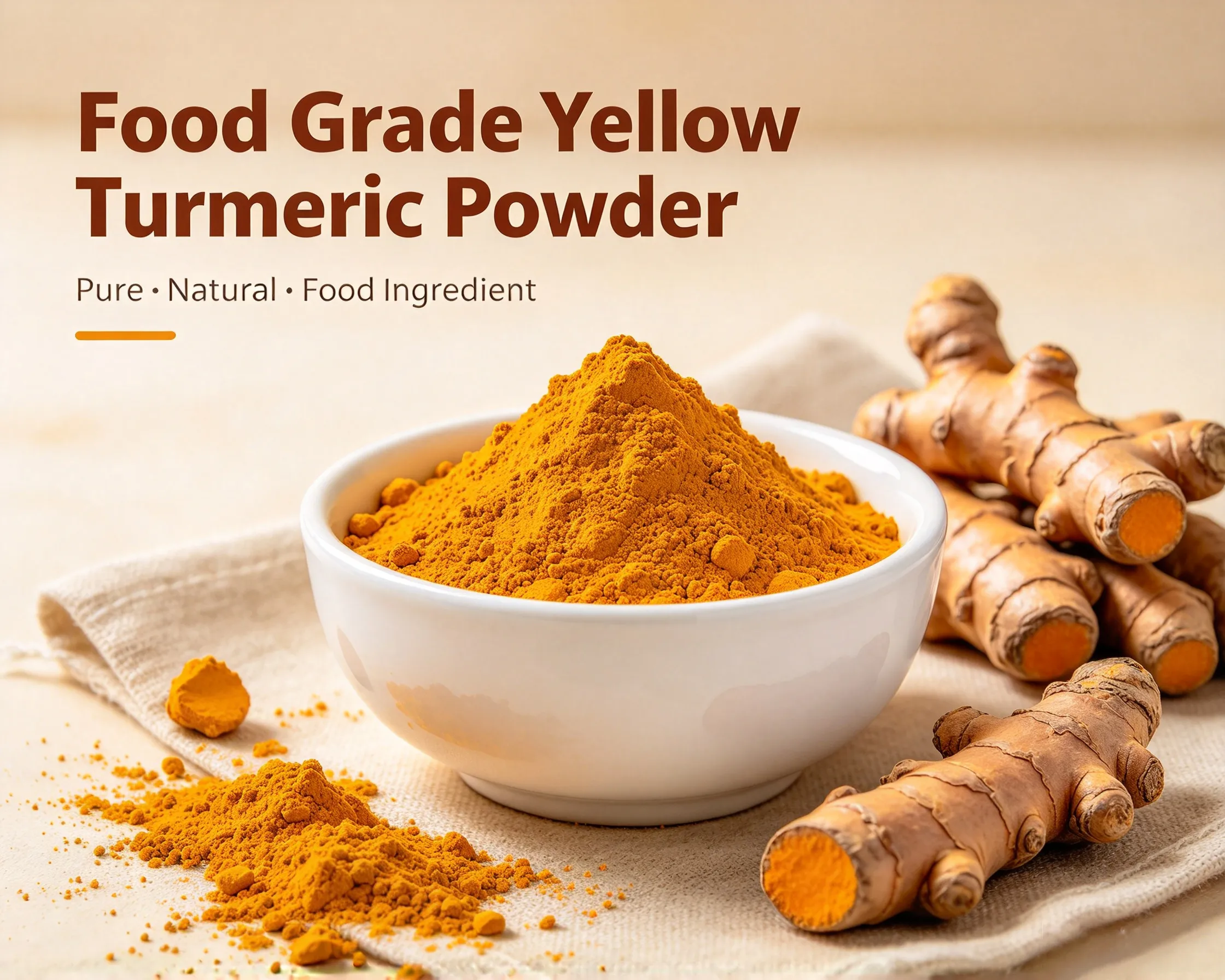
Turmeric, an ancient and remarkable plant, primarily grows in the tropical regions of India and Southeast Asia. It thrives in warm, humid climates, with fertile soil providing the perfect environment for its growth. The rhizome of the turmeric plant is its most precious part, not only for its rich aroma but also for the abundant natural pigments it contains. For thousands of years, turmeric has been used as a natural spice and coloring agent. In India, it is an indispensable ingredient in curry, giving the dish its distinct golden-yellow color and warm flavor. Today, the cultivation and application of turmeric have spread globally, making it a key player in the natural pigment industry.
The Wisdom of Extraction Techniques
The extraction of turmeric yellow has evolved from traditional to modern methods. In the past, people would grind turmeric rhizomes into a powder and then soak them in hot water to extract the pigment. While simple, this method was inefficient and produced a low-purity pigment. With technological advancements, modern industry now uses supercritical fluid extraction. This technique can precisely separate the core component, curcumin, from the turmeric rhizome. Curcumin not only gives turmeric its warm color but also possesses excellent stability and potential health benefits due to its unique chemical structure.
The Secret of the Core Component
The primary component of turmeric yellow is curcumin, which provides its warm yellow color and unique flavor. The chemical structure of curcumin contains multiple phenolic hydroxyl groups and methoxy groups, giving it excellent antioxidant and antibacterial properties. These characteristics make curcumin not just a natural pigment but also an active ingredient with health benefits. In food and health products, adding curcumin not only provides an appealing color but also imparts additional health value.
Appealing Applications
Food Industry
Turmeric yellow is widely used in the food industry. Curry powder is the main coloring agent, giving curry its inviting golden hue. In mustard, turmeric yellow perfectly complements the pungent flavor, enhancing the product's visual appeal. In baked goods, turmeric's yellow heat resistance enables it to withstand high-temperature baking, resulting in bread, cookies, and other products with a uniform yellow color. These properties make turmeric yellow an essential natural pigment in the food industry.
Health and Cosmetics
Turmeric yellow is also gaining significant attention in the health and beauty sectors. In health products, curcumin capsules are popular for their antioxidant and anti-inflammatory properties. In skincare, the gentle nature of turmeric yellow makes it an ideal natural ingredient. It not only provides a natural color to skincare products but also leverages its antioxidant and antibacterial effects to protect the skin from external damage. These applications fully demonstrate the natural and gentle advantages of turmeric yellow.
Gardenia: The Brightness of a Summer Fruit
The Plant's Origin
In contrast to the earthy aroma of turmeric, gardenia yellow is derived from the fruit of the gardenia flower. The gardenia flower is famous for its pure white blossoms and rich fragrance. The gardenia fruit, however, is also rich in natural pigments. Gardenias primarily grow in southern China and Southeast Asia. Each summer, as the gardenia fruit ripens, it develops a golden-yellow exterior. The harvesting season for gardenia fruit typically occurs from late summer to early autumn, when the fruits are rich in components such as geniposide, making them an ideal source for extracting gardenia yellow pigment. The beauty and uniqueness of the gardenia flower and fruit not only add color to nature but also provide a valuable resource for the natural pigment industry.
An Eco-Friendly Extraction Journey
The extraction of gardenia yellow pigment is a "green" transformation process. First, the colorless geniposide is extracted from the gardenia fruit. Geniposide is colorless on its own, but it can be converted into gardenia yellow through a gentle enzymatic or biotechnological process. This conversion is eco-friendly and pollution-free, and also preserves the natural components of the gardenia fruit. Compared to traditional chemically synthesized pigments, the extraction process for gardenia yellow is more sustainable and environmentally friendly, aligning with modern consumer demands for green products.
The Core Component
The main components of gardenia yellow pigment are geniposide and crocins. Geniposide has good water solubility, making it excellent for use in water-based products. Crocins provide gardenia yellow with a bright, clear hue, giving it a unique advantage in transparent or translucent foods. These properties give gardenia yellow pigment a wide range of applications in the food and art fields.
Dynamic Applications
Food Industry
Gardenia yellow is also widely used in the food industry. In candies, jellies, and cold drinks, its high water solubility and clear color make it an ideal coloring agent. It can give these products a transparent or semi-transparent appearance, enhancing their visual appeal. These properties make gardenia yellow a popular choice in the food industry, especially for products that require a fresh and natural color.
Art and Lifestyle
Gardenia yellow not only excels in the food industry but also holds a unique value in art and daily life. In traditional fabric dyeing and handicrafts, gardenia yellow is widely used for natural dyeing. It gives fabrics a fresh yellow color while preserving their natural texture. In modern art, gardenia yellow is also favored by artists for creating works with a natural feel, as its elegant color lends a unique, natural beauty to the art pieces.
Turmeric Yellow vs. Gardenia Yellow: An Exciting Showdown
Color and Visual Impression
Turmeric yellow is a warm yellow with an orange tint and high saturation. It resembles the earth under the autumn sun, warm and full of life. Visually, turmeric yellow gives a sense of stability and maturity, making it suitable for products that require a warm color.
Gardenia yellow is a clear, bright lemon yellow with high transparency. It's like a summer lemonade, fresh and bright. Visually, gardenia yellow gives a sense of freshness and nature, making it suitable for products that require a clear color.
A Direct Comparison
| Comparison Aspect | Turmeric Yellow | Gardenia Yellow |
| Color and Visual Impression | Warm yellow, orange-tinted, high saturation, like "earth under the autumn sun." | Clear, lemon-tinted yellow, high transparency, like "summer lemonade." |
| Core Component | Curcumin | Geniposide, crocins |
| Solubility | Mainly oil-soluble, with poor water solubility, requires emulsification. | Good water solubility, easily dissolves in water. |
| Stability | Good heat resistance, suitable for high-temperature processing. | Good light, acid, and alkali resistance, especially suitable for water-based products. |
| Main Applications | Baked goods, curry, health supplements, skincare, etc. | Beverages, jellies, candies, dairy products, traditional handicrafts, etc. |
Performance and Suitability
This comparison table clearly shows the characteristics of the two pigments. Turmeric yellow, with its strong heat resistance, is more suitable for foods that require high-temperature processing. Gardenia yellow, with its high water solubility, is better for cold drinks and desserts that require transparency and clarity. When choosing, it's not a matter of which is superior but rather selecting the "most suitable" option based on the specific needs of the product.
Cost and Sustainability
Supply Chain Considerations
In terms of cultivation and extraction costs, turmeric and gardenia have their own characteristics. Turmeric cultivation costs are relatively low, but the extraction process requires specific technical equipment. Gardenia cultivation costs are higher, but the extraction process is more eco-friendly and has a minimal environmental impact. Different market demands and supply chain stability can also affect the final cost of both. When selecting natural pigments, companies need to consider both cost and market needs to achieve the best economic benefits.
Environmental Perspective
From an environmental standpoint, the extraction process for gardenia yellow is greener and more sustainable. It reduces the use of chemical reagents and lowers environmental pollution. In comparison, while the extraction process for turmeric yellow is also relatively eco-friendly, certain stages still require some chemical processing. Therefore, when choosing natural pigments, companies should fully consider their environmental impact and choose more sustainable production methods.
Regulations and Market
In terms of regulatory approval, both turmeric yellow and gardenia yellow are recognized in major countries and regions. However, regulatory standards differ, so companies must ensure their products comply with local regulations. Compliance is a crucial prerequisite for entering the market; only by ensuring product safety can consumer trust be earned.
Industry Outlook: The Future of Natural Colors
As consumer demand for natural and healthy products continues to grow, the natural pigment market is facing unprecedented development opportunities. Although natural pigments currently face challenges like higher costs and the need for improved stability, these issues are gradually being resolved through cutting-edge technologies like gene-edited plants and nanotechnology.
In the future, natural pigments will no longer be just coloring agents but may also become functional ingredients, providing products with additional health benefits. We hope that through collaborative efforts and technological innovation within the industry, we can jointly promote the prosperity of the natural color industry and add more pure colors from nature to our world.
Conclusion: Making a "Natural" Choice
Turmeric yellow and gardenia yellow, both sourced from nature, have their own unique charm and application value. Their stories teach us that when choosing products, we should not only focus on the surface color but also explore the source and quality behind it. Choosing natural colors is not just for the safety and beauty of a product; it is also a choice to live in harmony with nature.
The natural pigment products provided by companies like Shaanxi Jiuyuan Biotech, such as their OEM Turmeric Yellow Color, offer reliable raw material options for many businesses due to their excellent quality and sustainable production methods. By using high-quality natural pigments, these companies not only enhance their products' market competitiveness but also convey a message of respect for nature and health to consumers.
Choosing natural colors is choosing a way of life that coexists in harmony with nature. Let's embrace nature, choose health, and contribute to sustainable development!