Introduction
An exploration into the realm of desiccated blueberry derivatives necessitates a precise delineation between freeze-dried blueberry powder and spray-dried blueberry juice powder. The former, freeze-dried blueberry powder, represents the culmination of a process wherein whole blueberries are subjected to cryogenic temperatures, subsequently undergoing sublimation, the direct transition from solid to gaseous state, to remove inherent moisture. Conversely, spray-dried blueberry juice powder is the product of extracted blueberry juice, atomized into minuscule particulates and desiccated via exposure to heated air. This comparative analysis aims to furnish consumers with the requisite knowledge to navigate the nuances of these products, elucidating both their divergent and convergent attributes.
The impetus behind this comparative examination is twofold: to empower consumers with the discernment necessary for judicious purchasing decisions and to delineate the subtle, yet consequential, disparities and resemblances between these two prevalent forms of blueberry powder.

Production Process
The freeze-drying process initiates with the rapid congelation of blueberries, precipitating the crystallization of water content at profoundly low temperatures. This is followed by sublimation, a meticulous process that extracts moisture under a vacuum, thereby preserving the structural integrity and volatile compounds of the fruit. The preeminent advantage of freeze-drying lies in its capacity to minimize nutrient degradation, ensuring the retention of labile compounds and the preservation of the intrinsic flavor and textural qualities of the blueberry.
Conversely, spray-drying commences with the extraction of blueberry juice, subsequently subjected to atomization, transforming it into a fine aerosol. These minute droplets are then propelled through a chamber of heated air, resulting in rapid desiccation and the formation of a fine powder. The principal merits of spray-drying reside in its elevated production throughput and cost-effectiveness, rendering it a commercially viable methodology for large-scale production.
Nutritional Content
A comparative analysis of nutrient retention reveals disparities in the preservation of vital compounds. Freeze-drying generally exhibits superior retention of vitamin C and anthocyanins, the potent antioxidants responsible for the characteristic hue of blueberries. Fiber content, while present in both forms, may vary depending on the specific processing parameters. The preservation of nutrients is contingent upon factors such as the temperature and duration of processing, as well as the inclusion of any additives, which may either enhance or diminish the nutritional profile.
Temperature fluctuations and prolonged exposure to heat can precipitate the degradation of heat-sensitive vitamins and antioxidants. Furthermore, the introduction of excipients or carriers during the spray-drying process may affect the final nutrient concentration.
Flavor and Texture
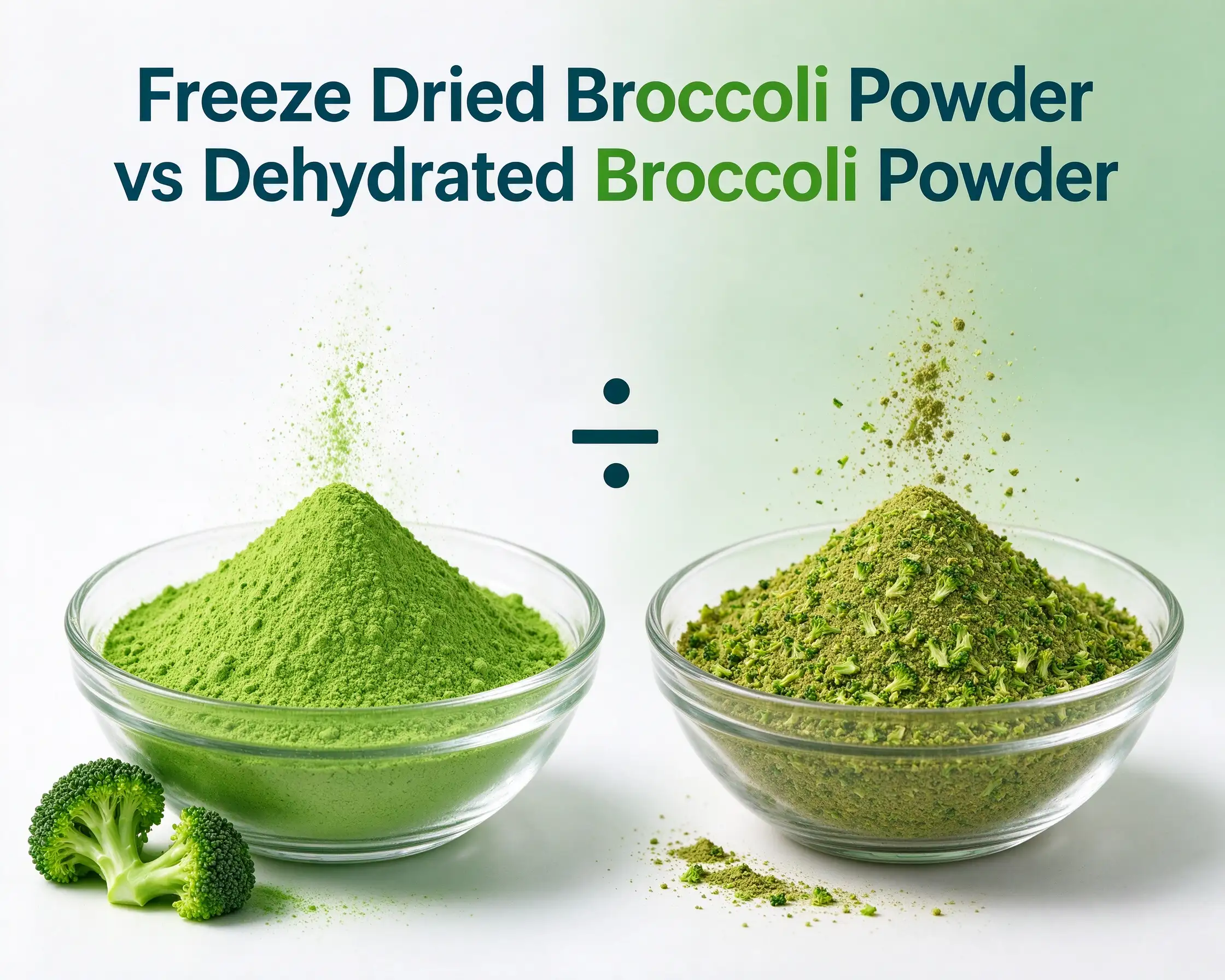
The flavor profile of freeze-dried blueberry powder is characterized by an intense, unadulterated blueberry taste, often devoid of off-flavors due to the gentle nature of the process. Spray-dried powder may exhibit a slightly altered flavor profile, potentially due to the thermal degradation of volatile compounds during the drying process. The textural characteristics of freeze-dried powder are typically granular, exhibiting excellent rehydration properties. Spray-dried powder, conversely, tends to be finer and more readily soluble in liquids.
The granularity of freeze-dried powder contributes to its versatility in applications requiring a more substantial texture, while the fine, amorphous nature of spray-dried powder facilitates its integration into homogeneous solutions.
Applications
Both freeze-dried and spray-dried blueberry powders find extensive application in the culinary arts, seamlessly integrating into smoothies, yogurt, and baked goods. The suitability of each powder for specific recipes is contingent upon the desired textural and flavor outcomes. In industrial contexts, these powders serve as valuable components in dietary supplements and functional foods, capitalizing on their concentrated nutrient content.
The use of these powders extends beyond mere flavoring, providing a concentrated source of bioactive compounds for nutraceutical applications.
Shelf Life and Storage
The stability of blueberry powders is contingent upon factors such as moisture content and packaging integrity. Freeze-dried powder, due to its lower moisture content and preserved cellular structure, generally exhibits a longer shelf life compared to spray-dried powder. Recommended storage methods include refrigeration or storage in airtight containers, mitigating the risk of moisture absorption and oxidative degradation. Improper storage can result in clumping, discoloration, and a diminution of nutritional quality.
The maintenance of a low-humidity environment is paramount in preserving the integrity of both powder types.
Cost Analysis
The production costs associated with freeze-drying are generally higher due to the sophisticated equipment and energy requirements. Spray-drying, with its inherent efficiency, offers a more cost-effective production model. Retail prices reflect these production disparities, with freeze-dried powder typically commanding a premium. Pricing is also influenced by factors such as raw material sourcing, processing scale, and market demand.
The economic viability of each process is a critical consideration for both manufacturers and consumers.
Environmental Impact
An evaluation of the environmental impact reveals that spray-drying is generally more energy-efficient due to its continuous, high-throughput nature. Freeze-drying, while preserving nutrients more effectively, entails a higher energy footprint. Waste generation is minimized in both processes, but the specific waste streams may vary. Sustainability considerations, such as the sourcing of raw materials and the implementation of eco-friendly packaging, are increasingly important factors in the production of blueberry powders.
The adoption of renewable energy sources and the optimization of resource utilization are pivotal in mitigating the environmental impact.
Conclusion
In summation, freeze-dried and spray-dried blueberry powders exhibit distinct characteristics, each offering unique advantages. Freeze-drying excels in nutrient preservation and flavor retention, while spray-drying offers cost-effectiveness and high production efficiency. Recommendations should be tailored to specific needs, such as nutritional goals or budgetary constraints. Future trends in blueberry powder production are likely to focus on advancements in processing technologies, enhancing both nutritional quality and sustainability. Innovations in encapsulation and microencapsulation may further extend shelf life and enhance targeted nutrient delivery.
Shaanxi Jiuyuan Bio is a leading manufacturer of high-quality freeze-dried blueberry powder and organic blueberry juice powder. The company uses state-of-the-art equipment and processes to ensure that its products are of the highest quality. Shaanxi Jiuyuan Bio's freeze-dried blueberry powder is made from fresh blueberries that are carefully selected and processed to retain their natural flavor and nutrients. The company's organic blueberry juice powder is made from organic blueberries that are grown without the use of harmful pesticides or fertilizers. Shaanxi Jiuyuan Bio is committed to providing its customers with the highest quality products and services. The company offers a wide range of powder blend options to meet the needs of its customers. Shaanxi Jiuyuan Bio is a trusted supplier of freeze-dried blueberry powder and organic blueberry juice powder to customers all over the world. More information contact at elsa.marketing@jiuybiotech.com.