Joint pain affects hundreds of millions of people globally - and the supplement industry has responded with two heavy hitters: curcumin and Boswellia Carterii Extract. Both are plant-derived, both are anti-inflammatory, and both have serious peer-reviewed science behind them. But they are not the same compound, they do not work through identical mechanisms, and they do not deliver identical outcomes. If you formulate joint health supplements, understanding the precise differences - and the powerful synergy between them - is essential for building products that actually perform.
What Is Boswellia Carterii Extract?
Boswellia carterii is a resin-producing tree native to the Horn of Africa and the Arabian Peninsula. Its dried resin - frankincense - has been used in traditional medicine for over 3,000 years. Modern extraction isolates a family of bioactive compounds called boswellic acids, with the most pharmacologically potent being:
- AKBA (3-O-acetyl-11-keto-β-boswellic acid) - the primary anti-inflammatory driver
- KBA (11-keto-β-boswellic acid) - a secondary active boswellic acid
- α-boswellic acid and β-boswellic acid - supporting compounds with antioxidant activity
In commercial form, Boswellia Carterii Extract powder is standardized to boswellic acid content - typically 65% total boswellic acids with ≥10% AKBA for high-potency joint health applications. It appears as a light yellow to tan powder with a characteristic resinous odor.
What Is Curcumin?
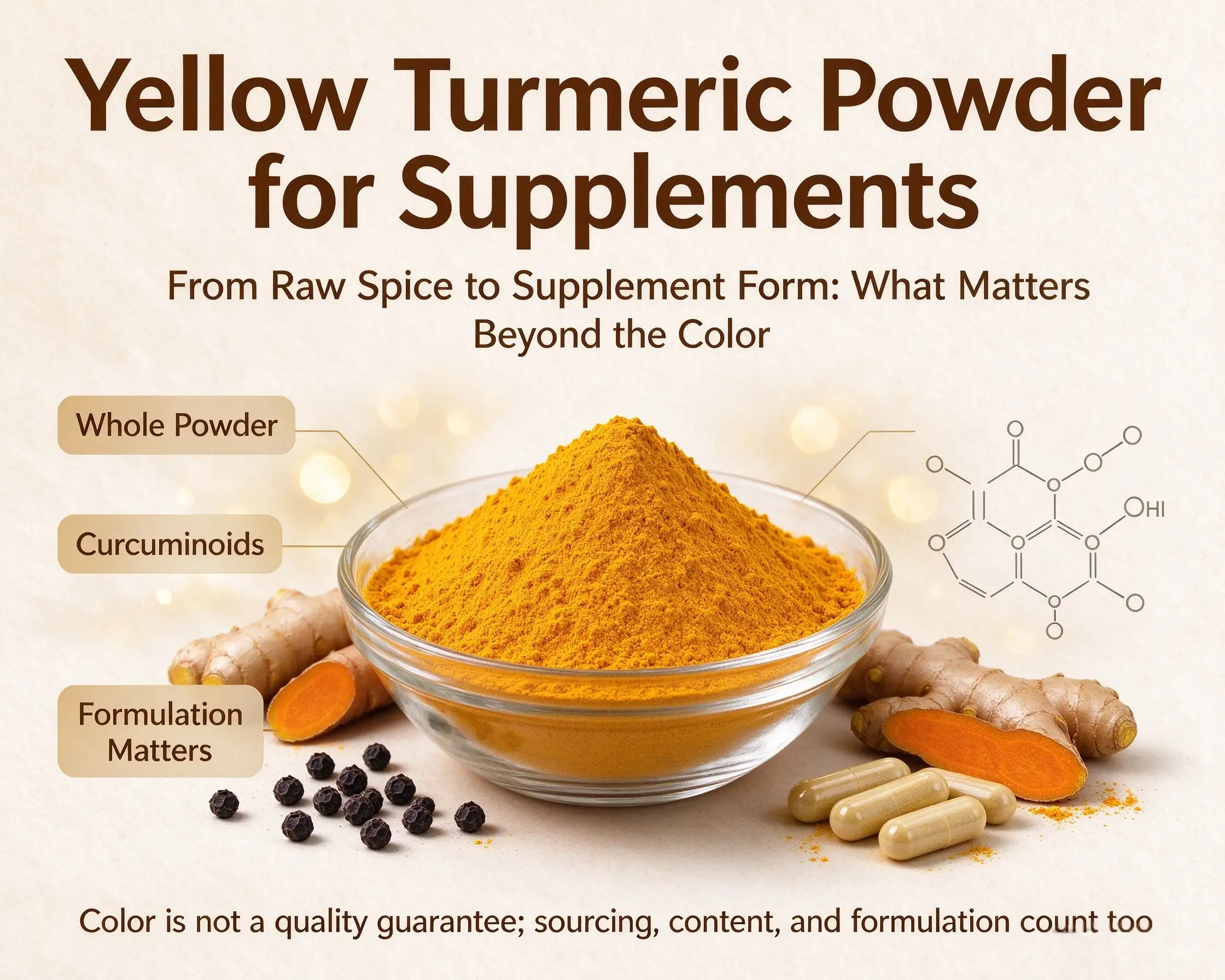
Curcumin is the primary polyphenol extracted from Curcuma longa (turmeric) rhizome. It belongs to the diarylheptanoid class and is responsible for turmeric's characteristic yellow color.
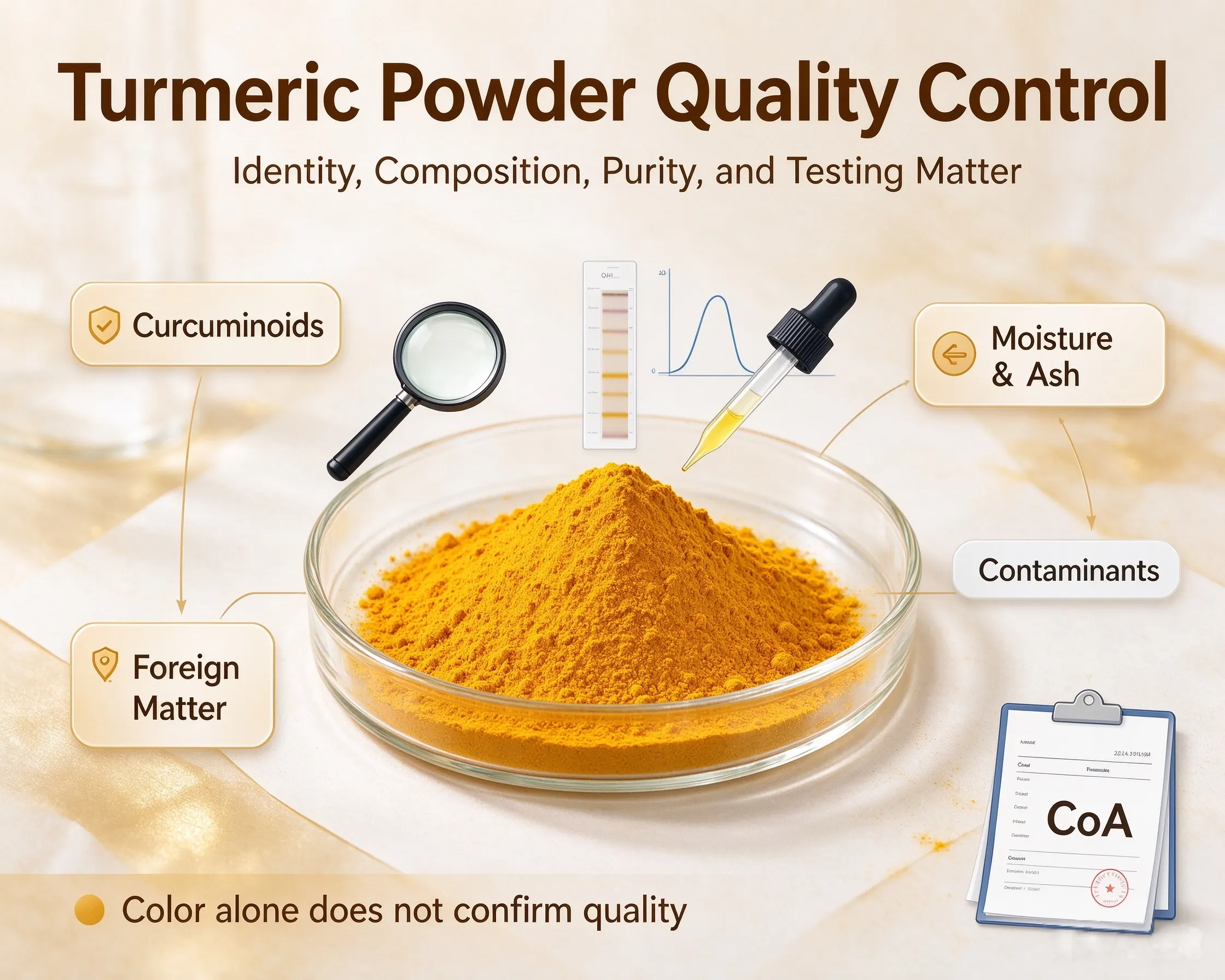
Commercially, curcumin extract is standardized to 95% curcuminoids - a blend of:
- Curcumin (~77%) - the dominant bioactive
- Demethoxycurcumin (~17%) - secondary anti-inflammatory activity
- Bisdemethoxycurcumin (~6%) - antioxidant contribution
Curcumin's most discussed limitation is poor oral bioavailability - it is rapidly metabolized and poorly absorbed without formulation enhancement. This is where Boswellia Carterii Extract often holds a practical advantage in head-to-head comparisons.

Mechanism Comparison: How Each Compound Fights Joint Inflammation
This is where the science gets genuinely important. Curcumin and Boswellia Carterii Extract target joint inflammation through distinct but complementary molecular pathways.
Boswellia Carterii Extract: Targeting the 5-LOX Pathway
The primary mechanism of Boswellia's AKBA is selective inhibition of 5-lipoxygenase (5-LOX) - the enzyme that converts arachidonic acid into pro-inflammatory leukotrienes.
Leukotrienes are particularly destructive in joint tissue because they:
- Drive neutrophil recruitment into synovial fluid
- Promote cartilage matrix degradation via MMP activation
- Sustain chronic synovial inflammation independent of COX pathways
AKBA is one of the few natural compounds that directly and selectively inhibits 5-LOX without the gastrointestinal side effects associated with NSAIDs. A 2025 study in Frontiers in Pharmacology confirmed that boswellic acids with enhanced AKBA content produced significantly greater reductions in joint pain and stiffness scores compared to standard Boswellia extracts - precisely because of this 5-LOX selectivity.
Boswellia also inhibits MMP-3 (stromelysin) - a matrix metalloproteinase that degrades collagen and proteoglycans in articular cartilage. This cartilage-protective action is largely absent in curcumin's mechanism profile.
Curcumin: Targeting the NF-κB and COX-2 Pathway
Curcumin's primary anti-inflammatory mechanism operates through NF-κB inhibition - blocking the master transcription factor that drives production of TNF-α, IL-1β, IL-6, and COX-2.
Specifically, curcumin:
- Prevents IκB kinase (IKK) activation, stopping NF-κB nuclear translocation
- Directly inhibits COX-2 expression - reducing prostaglandin E2 production
- Scavenges reactive oxygen species via its phenolic hydroxyl groups
- Modulates Nrf2 pathway activation for antioxidant gene expression
Curcumin's NF-κB suppression is broad and powerful - but it does not meaningfully touch the 5-LOX/leukotriene axis that Boswellia targets.
Head-to-Head: Clinical Evidence for Joint Health
Boswellia Carterii Extract in Clinical Trials
A landmark randomized controlled trial published in Phytomedicine evaluated Boswellia serrata extract (closely related species, same boswellic acid profile) in 30 patients with knee osteoarthritis over 8 weeks. Results showed:
- Significant reduction in knee pain (VAS score improvement)
- Improved knee flexion and walking distance
- Reduced synovial fluid leukocyte infiltration
- Onset of action within 7 days - notably faster than most natural anti-inflammatories
A 2025 Frontiers in Pharmacology study using full-spectrum Boswellia extract with enhanced AKBA content confirmed these findings and added that higher AKBA standardization directly correlates with better clinical outcomes in joint pain reduction.
Curcumin in Clinical Trials
Multiple RCTs have confirmed curcumin's efficacy for osteoarthritis. A well-cited 2014 study in Clinical Interventions in Aging compared curcumin to ibuprofen in knee OA patients. Curcumin matched ibuprofen's pain-reduction efficacy with significantly fewer gastrointestinal adverse events.
However, the consistent challenge across curcumin trials is bioavailability variability. Standard curcumin extract shows highly inconsistent plasma levels between subjects. Enhanced delivery forms (phospholipid complexes, nanoparticles, piperine co-administration) improve this - but add formulation complexity and cost.
The Combination Advantage
Here is what the evidence most consistently shows: combining Boswellia Carterii Extract with curcumin outperforms either compound alone.
A 2022 review in PMC9511324 (Sethi et al.) analyzed the complementary and synergistic effects of curcumin and boswellic acids. The key findings:
- The combination targets both the COX and 5-LOX inflammatory pathways simultaneously - a dual blockade that neither compound achieves alone
- Synergistic reduction in TNF-α, IL-1β, and leukotriene B4 was observed
- Clinical improvement in OA symptoms was greater with the combination than with either monotherapy
- The combination allowed lower doses of each compound while maintaining efficacy - reducing potential side effect risk
A 2013 clinical trial reported by HerbalGram further confirmed that the turmeric-Boswellia combination reduced knee pain scores and improved functional mobility more effectively than either ingredient alone in OA patients over 12 weeks.
Direct Comparison Table
Here is a structured side-by-side breakdown for formulators and procurement teams:
|
Parameter |
Boswellia Carterii Extract |
Curcumin (95% Curcuminoids) |
|
Primary target |
5-LOX / Leukotriene pathway |
NF-κB / COX-2 pathway |
|
Cartilage protection |
✅ Strong (MMP-3 inhibition) |
⚠️ Moderate |
|
Bioavailability |
✅ Good (lipophilic, fat-soluble) |
⚠️ Poor without enhancement |
|
Speed of action |
✅ Fast (7–14 days) |
⚠️ Slower (4–8 weeks) |
|
GI tolerability |
✅ Excellent |
✅ Good (better than NSAIDs) |
|
Antioxidant activity |
⚠️ Moderate |
✅ Strong |
|
Synergy potential |
✅ High (with curcumin) |
✅ High (with Boswellia) |
|
Standardization marker |
AKBA ≥10%, Total BAs ≥65% |
Curcuminoids ≥95% |
The data is clear: these two compounds are not competitors - they are partners.
Why Boswellia Carterii Extract Deserves Special Attention
Among the Boswellia species used commercially - B. serrata, B. sacra, B. papyrifera, and B. carterii - Boswellia carterii holds a distinct profile:
- Native to Somalia and Ethiopia, it produces a resin with a higher AKBA-to-total boswellic acid ratio compared to some B. serrata sources
- Traditional frankincense preparations from B. carterii have been used specifically for joint and musculoskeletal conditions in East African and Arabian traditional medicine
- Modern standardized extracts from B. carterii deliver consistent AKBA content - the most critical variable for clinical efficacy
For B2B buyers, sourcing B. carterii specifically - rather than generic "Boswellia extract" - gives you a more defined, more defensible ingredient story for product marketing.
Formulation Strategies for B2B Product Developers
Based on the current evidence, here are the most commercially viable formulation approaches:
High-potency joint formula (OA/RA target):
- Boswellia Carterii Extract (65% BAs, ≥10% AKBA): 100–200 mg
- Curcumin (95% curcuminoids, phospholipid complex): 500 mg
- Black pepper extract (piperine 95%): 5 mg for curcumin bioavailability
- Positioning: Dual-pathway joint support - COX + 5-LOX
Fast-acting joint relief formula:
- Lead with Boswellia Carterii Extract at higher dose (300 mg)
- Add curcumin as secondary anti-inflammatory support
- Positioning: Clinically studied relief within 7–14 days
Sports recovery formula:
- Combine Boswellia Carterii Extract with collagen peptides and vitamin C
- Add curcumin for post-exercise oxidative stress management
- Positioning: Joint protection + recovery for active adults
Delivery format considerations:
- Softgels improve Boswellia bioavailability (fat-soluble compound)
- Curcumin phospholipid complexes or nano-emulsions address absorption challenges
- Both compounds are stable in capsule and tablet formats
Sourcing Checklist: What to Verify Before You Buy
For procurement managers evaluating Boswellia Carterii Extract suppliers, these are the non-negotiable quality markers:
Standardization specs:
- Total boswellic acids: ≥65% by HPLC
- AKBA content: ≥10% confirmed per batch
- Species authentication: Boswellia carterii confirmed by botanical ID
Safety compliance:
- Lead: <3 PPM | Arsenic: <1.5 PPM | Cadmium: <0.5 PPM | Mercury: <0.5 PPM
- Total plate count: ≤1,000 CFU/g
- Salmonella and E. coli: Negative per batch
Certifications:
- ISO 9001 / ISO 22000
- cGMP and FSSC 22000
- FDA-inspected facility
- Halal and Kosher
- Batch-specific COA - not generic documentation
References
- Sethi V, et al. "Potential complementary and/or synergistic effects of curcumin and boswellic acids for arthritis therapy." Frontiers in Pharmacology, 2022; 13: 1007. PMC9511324.
- Mamatha K, et al. "A full-spectrum Boswellia serrata extract with enhanced AKBA content improves joint pain and stiffness: A randomized controlled trial." Frontiers in Pharmacology, 2025; 16: 1577429.
- Kizhakkedath R. "Clinical evaluation of a formulation containing Curcuma longa and Boswellia serrata extracts in the management of knee osteoarthritis." HerbalGram / Molecular Medicine Reports, 2013; 8(5): 1542–1548.
- Siddiqui MZ. "Boswellia serrata, a potential antiinflammatory agent: An overview." Indian Journal of Pharmaceutical Sciences, 2011; 73(3): 255–261. PMC3309643.
- Daily JW, et al. "Efficacy of turmeric extracts and curcumin for alleviating the symptoms of joint arthritis: A systematic review and meta-analysis of randomized clinical trials." Journal of Medicinal Food, 2016; 19(8): 717–729.
- Abdel-Tawab M, et al. "Boswellic acids: A group of medicinally important compounds." Chemistry & Biodiversity, 2011; 8(5): 807–814.
Partner with a Reliable Boswellia Carterii Extract Supplier
At Jiuyuan Biotech, we supply pharmaceutical- and nutraceutical-grade Boswellia Carterii Extract standardized to ≥65% total boswellic acids and ≥10% AKBA by HPLC. We also supply Curcumin Extract (95% curcuminoids) - making us a single-source partner for complete joint health formulations.
Our facility holds ISO 9001, ISO 22000, cGMP, FSSC 22000, FDA, Halal, Kosher, and USDA/EU Organic certifications. Every batch ships with a full COA covering assay, heavy metals, and microbiology.
MOQ starts at 1 kg. We serve buyers across North America, Europe, the Middle East, and Southeast Asia.
📧 Contact us: info@jiuybiotech.com
🌐 Website: www.jiuyuanbio.com