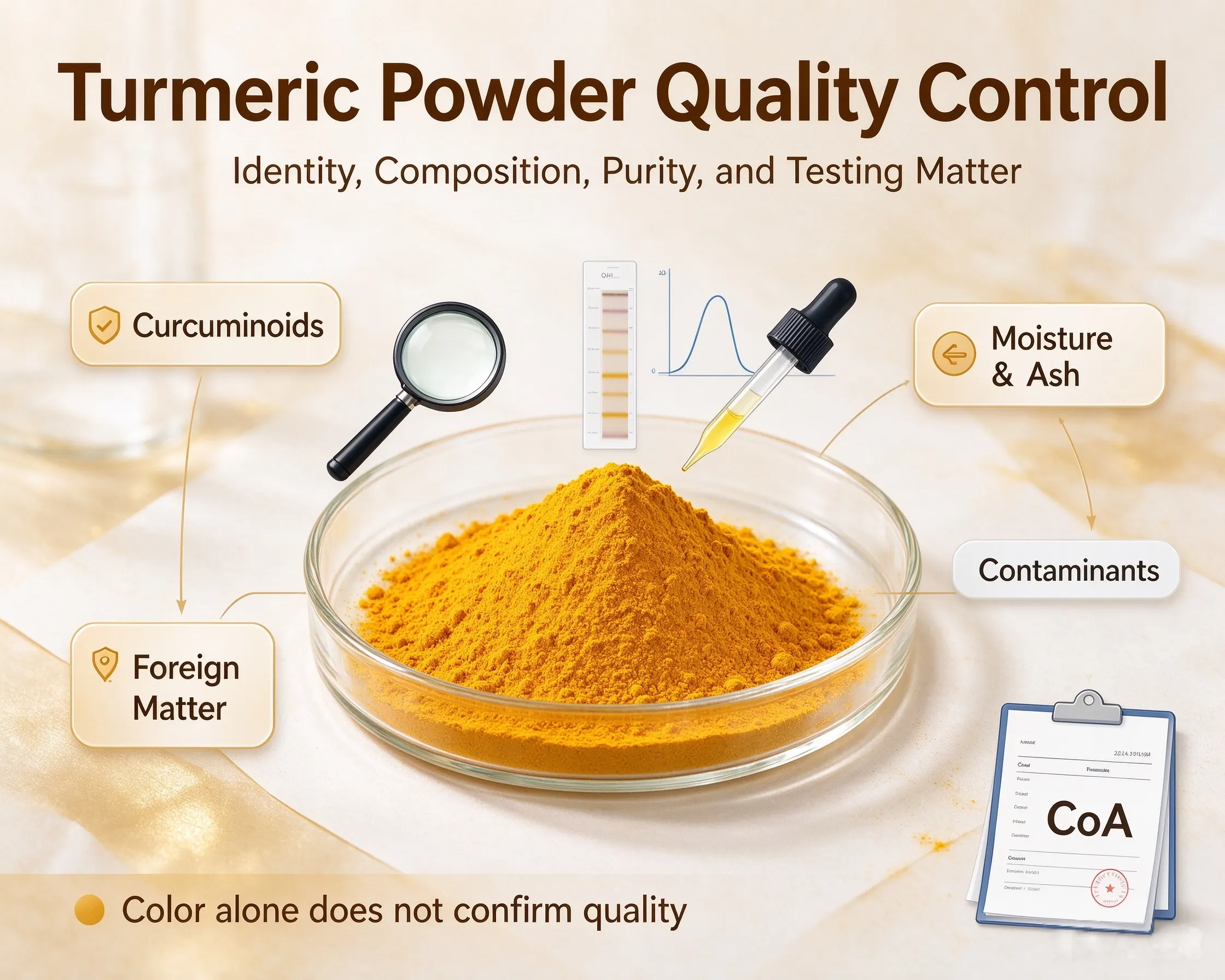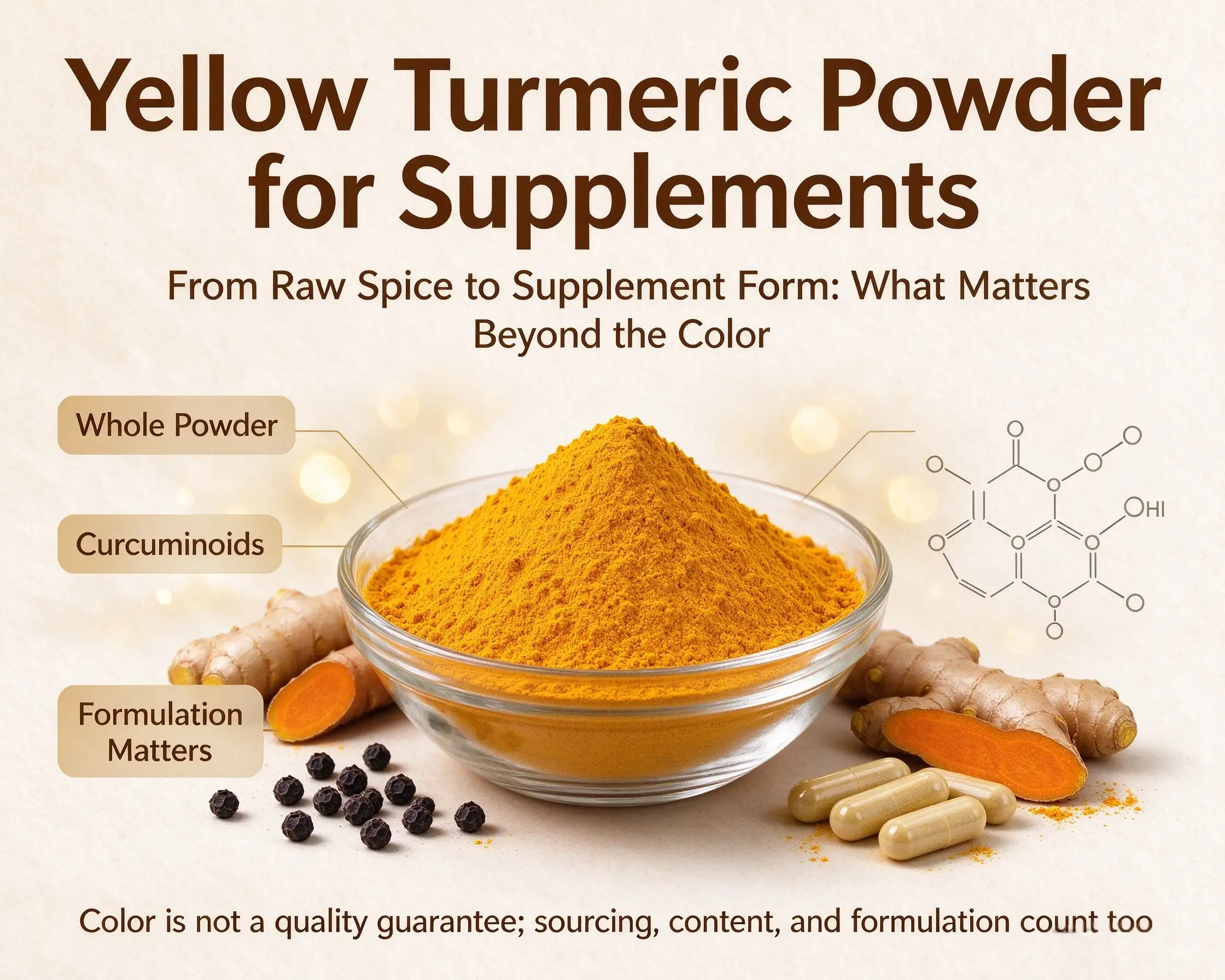
If you are sourcing Yellow Powder Turmeric for commercial formulations, quality should come before price. A turmeric powder may look bright and attractive, yet still fail your formula, label claim, or quality inspection. For food, supplement, beverage, and natural color applications, you need to check more than color. You need to review botanical source, particle size, curcumin testing, contaminants, documentation, and supplier reliability.
Many B2B buyers start with a simple request: "Please quote turmeric powder." That sounds easy. In real sourcing work, it is rarely enough. One supplier may offer whole turmeric powder. Another may offer turmeric extract. A third may sell high-curcumin material. These products can all look yellow, but they behave very differently in production.
This guide shows you how to identify high-quality turmeric powder before you place a bulk order. I will walk you through the key checks that matter for commercial formulations, from appearance and curcumin assay to COA review, heavy metals, microbiology, and supplier questions.
What Is Yellow Powder Turmeric?
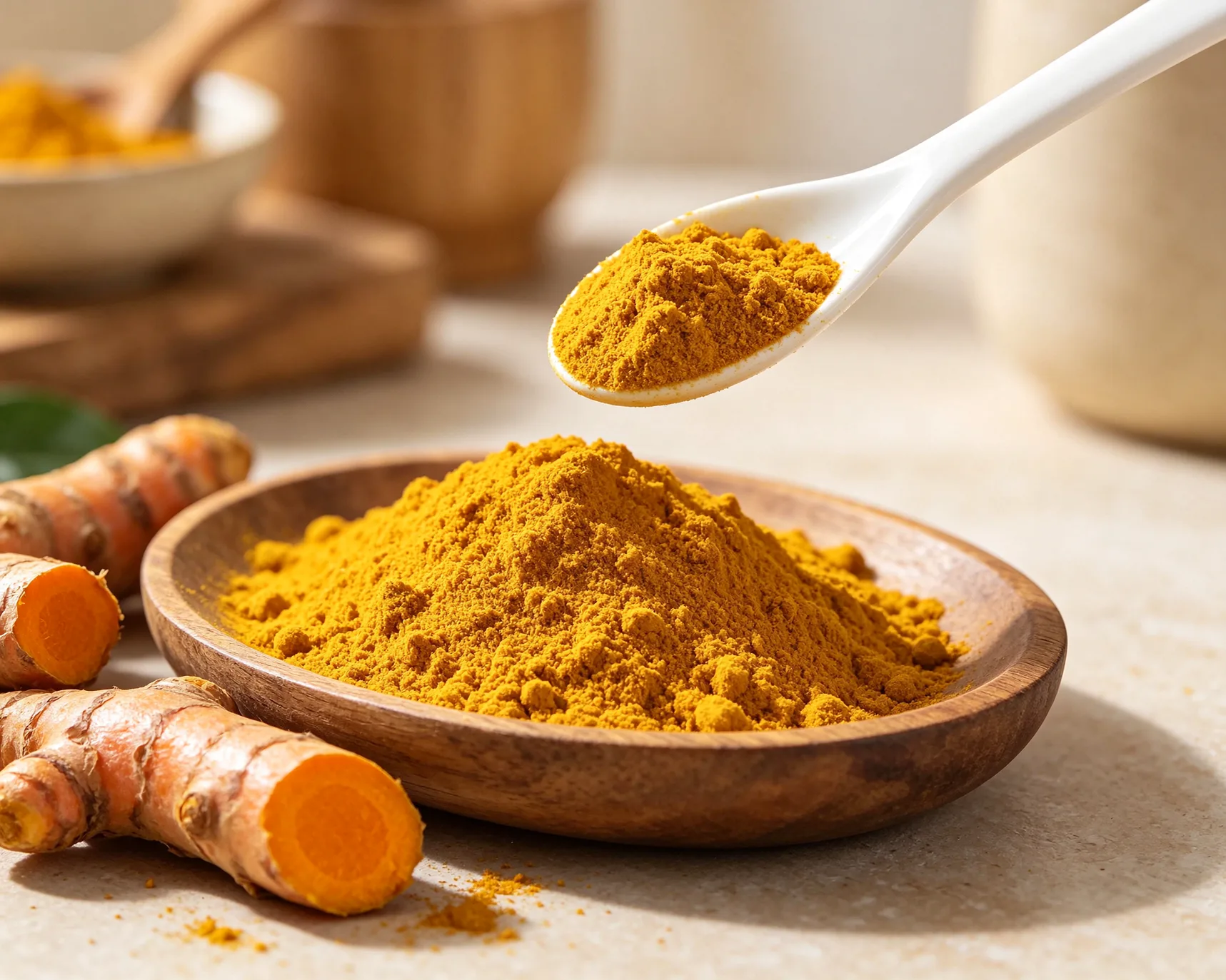
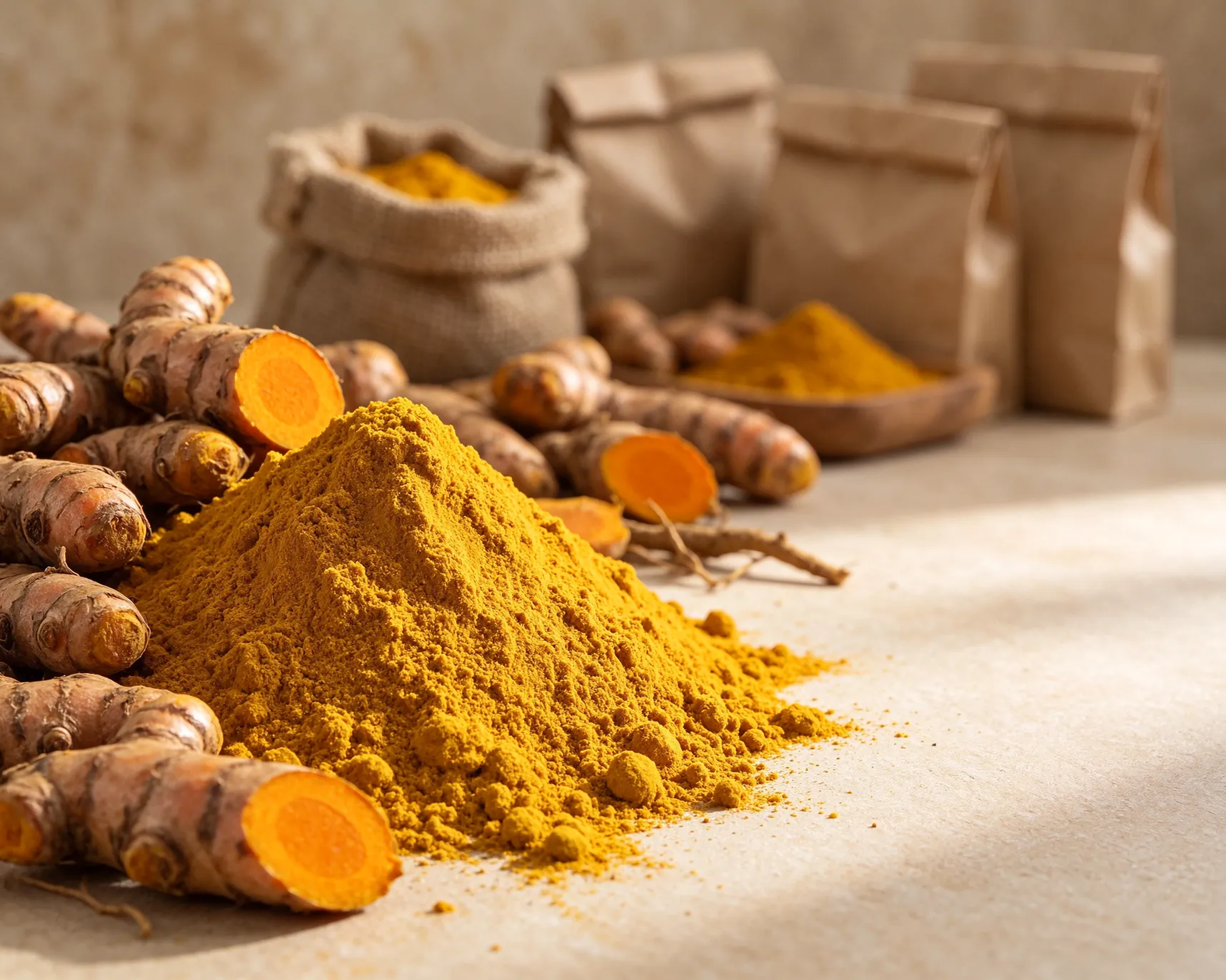
Yellow Powder Turmeric is a yellow to orange-yellow powder made from the root or rhizome of Curcuma longa L. It is valued for its natural color, earthy flavor, and naturally occurring curcuminoids.
In commercial ingredient sourcing, you should confirm the exact product type. Turmeric-related ingredients can look similar on a quotation sheet, but they are not the same.
|
Ingredient Type |
What It Means |
Common Use |
|
Yellow Powder Turmeric |
Powder from turmeric root or rhizome |
Foods, seasonings, supplements, color blends |
|
Turmeric Extract |
Concentrated extract from turmeric |
Supplements and functional formulas |
|
Curcumin |
A major curcuminoid compound |
High-marker products |
|
Curcuminoids |
Group of turmeric compounds |
Standardized extract formulas |
|
Turmeric Oleoresin |
Oil-soluble or resinous extract |
Food color and flavor systems |
For commercial use, ask your supplier to confirm:
- Botanical source: Curcuma longa L.
- Plant part: root or rhizome
- Appearance: orange-yellow or yellow fine powder
- Particle size: commonly 80 mesh
- Testing method: HPLC if curcumin assay is required
- Quality documents: COA, specification sheet, MSDS, and test data
Jiuyuan Biotech's product information for Yellow Powder Turmeric lists Curcuma longa L. as the Latin source, roots as the plant part, orange-yellow powder as the appearance, and curcumin assay by HPLC in its COA format. These are useful starting points for B2B quality review.
Why Quality Matters in Commercial Formulations
In a home kitchen, turmeric color and aroma may be enough. In a commercial formula, small quality gaps can become expensive.
Poor-quality turmeric powder can cause:
- Color variation between batches
- Poor blending in dry mixes
- Sediment in beverages
- Capsule filling problems
- High microbial counts
- Heavy metal concerns
- Label claim risk
- Delayed production release
- Customer complaints
- Rejected incoming material
Commercial buyers need repeatability. Your product may run through blending, filling, heating, drying, packaging, and storage. A powder that performs well in a sample jar may fail at scale if the supplier cannot control particle size, moisture, contamination, or documentation.
High-quality turmeric powder helps your team protect:
- Product consistency
- Regulatory compliance
- Production efficiency
- Brand reputation
- Finished product stability
- Buyer trust
That is why quality review should happen before purchase, not after the shipment arrives.
Check the Botanical Source and Plant Part
A high-quality turmeric powder starts with correct identity. The supplier should clearly state the botanical source as Curcuma longa L. and the plant part as root or rhizome.
This matters because plant identity affects color, flavor, curcuminoid profile, and buyer documentation.
What to Ask Your Supplier
Ask direct questions:
- Is the material from Curcuma longa L.?
- Which plant part is used?
- Is it whole turmeric powder or extract?
- Is the material blended with carriers?
- Is the color natural or adjusted?
- Is the batch traceable?
If the supplier cannot answer these questions clearly, treat that as a warning sign.
What to Look for on Documents
Your COA or specification sheet should include:
- Product name
- Latin name
- Plant part
- Country of origin
- Batch number
- Manufacture date
- Shelf life or expiration date
- Test items and methods
- Quality release information
Clear identity data helps your QA team approve the material with less back-and-forth.
Review Appearance, Color, Odor, and Taste
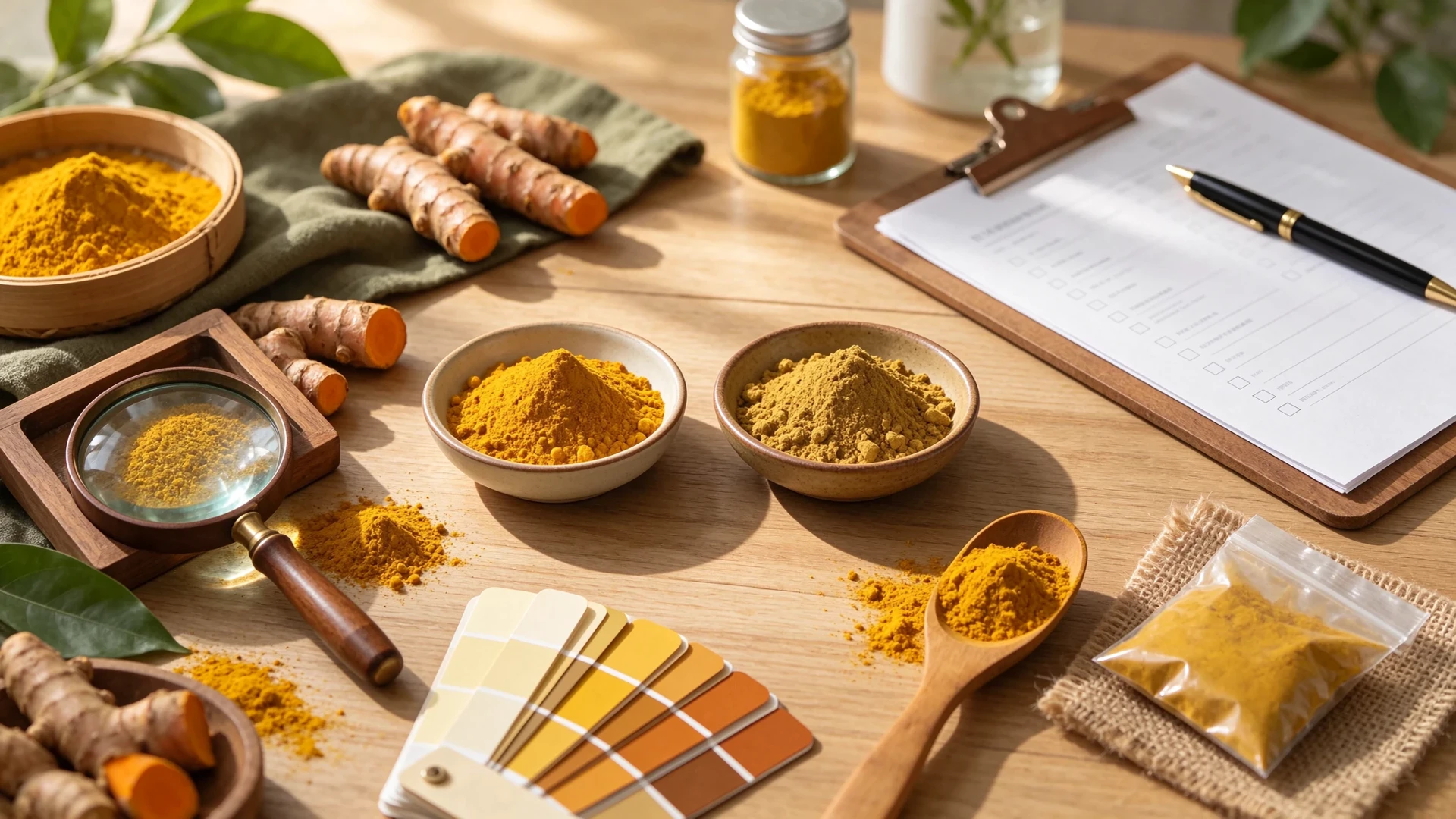
Visual checks are simple, but they still matter. High-quality Yellow Powder Turmeric should show a consistent yellow to orange-yellow color. It should have a characteristic turmeric odor and an earthy taste.
Common Sensory Checks
Review these points during sample evaluation:
- Color: yellow to orange-yellow, with no dull gray or brown contamination
- Odor: characteristic, warm, earthy, not moldy or rancid
- Taste: typical turmeric profile, not bitter from degradation
- Texture: fine powder, no hard lumps
- Foreign matter: no visible fibers, stones, insects, or dark particles
Color can vary by crop, drying method, curcuminoid content, and particle size. Some variation is normal. Large changes between batches should be explained.
Why Color Alone Is Not Enough
A bright powder is not always high quality. Color can look strong while the material still has high moisture, poor microbiology, or unclear identity.
Use appearance as an early screening tool. Use lab testing and documents for final approval.
Confirm Particle Size and Powder Flow
Particle size affects how Yellow Powder Turmeric behaves in real production. Many commercial projects use 80 mesh powder, but your formula may need a different grade.
Why Mesh Size Matters
Particle size can affect:
- Blending uniformity
- Capsule filling
- Tablet compression
- Powder flow
- Mouthfeel
- Suspension in beverages
- Visual texture
- Dust level during production
For dry blends and capsules, a fine and uniform powder can improve mixing. For beverages, finer powder may disperse better, but it may still settle if the formulation lacks suspension support.
Questions to Ask
Ask your supplier:
- What mesh size is available?
- What percentage passes through 80 mesh?
- Can you provide a finer grade?
- Is the particle size tested by sieve?
- Does the powder flow well in capsules or sachets?
- Can you provide a sample from the commercial batch?
Jiuyuan Biotech's Yellow Powder Turmeric information mentions 80 mesh particle size in the COA section. This type of detail helps purchasing and R&D teams compare material performance.
Check Curcumin or Curcuminoid Testing
Curcumin is one of the best-known compounds in turmeric. Yet not every turmeric powder should be treated like a high-curcumin extract.
You need to match testing to your product claim.
Turmeric Powder vs Curcumin Extract
Whole turmeric powder naturally contains curcuminoids, but the level may vary. A turmeric extract may be standardized to a higher declared curcumin or curcuminoid level.
If your finished product label mentions curcumin content, your supplier must support that claim with reliable testing.
What a Strong Assay Specification Should Include
Ask for:
- Tested compound: curcumin or total curcuminoids
- Testing method: HPLC is commonly used
- Reporting basis: dry basis or as-is basis
- Batch result
- Specification range
- Lab or internal method reference
Jiuyuan Biotech's turmeric product COA lists curcumin assay by HPLC. This is useful for buyers who need marker-based verification.
Avoid Vague Claims
Be careful with phrases like:
- "High curcumin"
- "Premium active"
- "Strong potency"
- "Pharmaceutical grade"
- "Best quality"
These phrases do not replace a test method and result. Good B2B sourcing needs data, not decoration. Even turmeric deserves less poetry and more paperwork.
Evaluate Moisture and Ash Content
Moisture and ash are basic quality indicators. They may look boring, but they can save your project from trouble.
Moisture
High moisture can increase the risk of clumping, poor flow, odor change, and microbial growth. Many turmeric powder specifications set moisture at a controlled level, often below a defined maximum.
Jiuyuan Biotech's product information lists moisture below 5.0% as a reference specification in its COA table.
Ash
Ash content reflects total mineral residue after burning the sample. High ash may suggest contamination, soil residue, or process variation.
A typical COA should show:
- Moisture specification
- Moisture result
- Ash specification
- Ash result
- Testing method
These values help QA teams judge whether the batch matches the agreed quality standard.
Review Heavy Metals Carefully
Turmeric is a plant-based ingredient. Like many botanicals, it can absorb elements from soil and water. Heavy metal testing is a key part of commercial turmeric sourcing.
Key Heavy Metals to Check
Ask for test results for:
- Lead
- Arsenic
- Cadmium
- Mercury
- Total heavy metals, if required
Lead deserves special attention in turmeric sourcing because regulators and researchers have raised concerns about lead contamination in some turmeric supply chains. Buyers should use batch-specific testing and market-specific limits.
How to Review Heavy Metal Data
Check:
- Each metal has a specification limit
- Each result meets your requirement
- The method is listed
- Units are clear, such as ppm or mg/kg
- Limits match your destination market
- The COA matches the batch you will receive
Jiuyuan Biotech's turmeric product information includes heavy metal items such as arsenic, lead, cadmium, and mercury in its COA format. Buyers should confirm final limits based on the target market and product category.
Check Microbiological Quality
Microbiology can decide whether your batch gets released or rejected. This is especially important for food, beverage, and supplement applications.
Common Microbiological Tests
A standard review may include:
- Total plate count
- Yeast and mold
- E. coli
- Salmonella
For some markets or products, buyers may ask for additional pathogens or stricter limits.
Why Microbiology Matters
Turmeric powder comes from agricultural raw material. Harvesting, drying, storage, milling, and packaging all affect microbial quality.
Poor microbiological control can cause:
- Failed incoming inspection
- Product recall risk
- Shorter shelf life
- Off-odor
- Finished product safety concerns
A good supplier should provide batch-specific microbiological data before shipment or with shipment documents.
Verify Pesticide Residues and Clean-Label Needs
If you sell into the U.S., EU, or other strict markets, pesticide residue data may matter. This is even more important for clean-label, organic, natural, or premium food products.
Questions for Your Supplier
Ask:
- Can you provide pesticide residue testing?
- Which pesticide panel is available?
- Is the test done in-house or by a third-party lab?
- Does the result match my destination market?
- Can you support organic or special certification if needed?
Do not assume a natural ingredient is automatically free from residues. Natural describes origin. Testing verifies compliance.
Check Additives, Carriers, and Adulteration Risk
Commercial buyers should know whether the turmeric powder is pure powder or blended material.
Ask your supplier to confirm:
- No artificial colorants
- No undeclared carriers
- No starch dilution
- No synthetic dyes
- No non-turmeric plant material
- No unauthorized additives
Turmeric has faced adulteration concerns in global spice markets. A careful buyer should request identity, color, and contaminant testing when the application has higher risk.
Warning Signs
Watch for:
- Price far below market level
- Very intense color with weak aroma
- No COA
- No batch number
- Supplier avoids technical questions
- Inconsistent product name
- Missing Latin name
- Unclear plant part
A low price can hide expensive problems. Your QA team will not enjoy that surprise.
Match the Powder to Your Application
A high-quality ingredient still needs to fit your formula. The "best" turmeric powder depends on how you plan to use it.
Food Formulations
For food use, check:
- Color tone
- Flavor impact
- Heat behavior
- pH sensitivity
- Microbiology
- Labeling status
- Allergen and GMO statements
Yellow Powder Turmeric can fit seasonings, sauces, snacks, bakery items, ready meals, and spice blends.
Dietary Supplements
For capsules, tablets, and powder blends, check:
- Curcumin assay, if needed
- Mesh size
- Bulk density
- Flowability
- Heavy metals
- Microbiology
- COA details
- Shelf life
Supplement buyers should align label claims with test data.
Beverages
For beverage systems, check:
- Dispersibility
- Sediment
- Color stability
- Taste
- Mouthfeel
- Compatibility with acids
- Compatibility with sweeteners and flavors
Turmeric powder may not fully dissolve in water. Pilot testing is essential.
Natural Color Applications
For color use, test:
- Color shade
- Dosage level
- Heat stability
- Light stability
- pH behavior
- Interaction with proteins, oils, or minerals
A small lab test can prevent a large commercial headache.
Review Packaging and Storage Conditions
Packaging protects the powder after production. Weak packaging can damage even a good batch.
What Good Packaging Should Do
Good packaging should protect against:
- Moisture
- Light
- Heat
- Oxygen exposure
- Odor absorption
- Physical damage
- Contamination
Common B2B packaging includes foil bags, cartons, and fiber drums. The right choice depends on order size and shipping route.
Storage Recommendations
- Store Yellow Powder Turmeric:
- In sealed original packaging
- In a cool and dry place
- Away from direct sunlight
- Away from heat
- Away from strong odors
- Away from moisture
- Under FIFO inventory control
Jiuyuan Biotech's product information lists 24 months of shelf life under proper storage and recommends a cool, dry place away from strong light and heat.
Read the COA Like a QA Professional
A Certificate of Analysis is one of the most important documents in turmeric sourcing. Yet many buyers only glance at it.
COA Fields You Should Check
Review:
- Product name
- Batch number
- Manufacture date
- Expiration date
- Latin name
- Plant part
- Country of origin
- Appearance
- Particle size
- Moisture
- Ash
- Assay, if required
- Heavy metals
- Microbiology
- Test methods
- Approval or release signature
The COA should match the batch being shipped. A generic COA is not enough for commercial release.
Ask for Clarification When Needed
Ask your supplier if:
- The assay method is missing
- The plant part is not listed
- Heavy metals show only "conforms"
- Microbiology lacks results
- Dates are unclear
- The batch number does not match labels
Good suppliers respond clearly. Weak suppliers hide behind vague wording.
Supplier Questions Before Bulk Purchase
You can avoid many sourcing problems by asking better questions before ordering.
Send These Questions to Your Supplier
- What is the botanical source?
- Which plant part is used?
- Is this whole turmeric powder or extract?
- What is the typical color range?
- What mesh size is available?
- Can you provide HPLC assay for curcumin?
- What heavy metal limits do you follow?
- Can you provide microbiological testing?
- Can you provide pesticide residue testing?
- What is the MOQ?
- What is the lead time?
- What documents come with shipment?
- Can you support repeat orders?
- Can you provide a commercial batch sample?
These questions help you separate reliable suppliers from price-only sellers.
Red Flags When Buying Yellow Powder Turmeric
Not every low-cost offer is a good deal. Watch for warning signs before payment.
- Common Red Flags
- No Latin name
- No plant part listed
- No batch COA
- No test method
- No heavy metal data
- No microbiological data
- Very low price without explanation
- Overly strong health claims
- Unclear product type
- Poor English on technical documents
- No response to QA questions
- Missing shelf-life information
High-quality turmeric powder does not need exaggerated claims. It needs clear specifications, stable supply, and honest documents.
Practical Buyer Checklist
Use this checklist during sample approval and bulk purchasing.
Product Identity
- Product name confirmed
- Curcuma longa L. confirmed
- Root or rhizome confirmed
- Country of origin confirmed
Physical Quality
- Yellow to orange-yellow color
- Characteristic odor
- Fine powder
- No visible foreign matter
- Mesh size suitable for formula
Chemical and Safety Testing
- Curcumin assay, if required
- Moisture checked
- Ash checked
- Heavy metals reviewed
- Microbiology reviewed
- Pesticide residues checked if needed
Documentation
- COA available
- Specification sheet available
- MSDS available
- Allergen statement available
- GMO statement available
- Packaging details available
- Shelf-life statement available
Commercial Fit
- MOQ fits project stage
- Lead time fits production plan
- Packaging fits logistics
- Supplier supports repeat orders
- Supplier responds to technical questions
This simple checklist can save time, money, and stress.
FAQ About Yellow Powder Turmeric Quality
- What is Yellow Powder Turmeric?
Yellow Powder Turmeric is a yellow to orange-yellow powder made from the root or rhizome of Curcuma longa L. It is used in foods, supplements, beverages, seasonings, and natural color formulations.
- How can I tell if turmeric powder is high quality?
Check the botanical source, plant part, color, odor, particle size, curcumin testing, moisture, ash, heavy metals, microbiology, and batch COA.
- Is bright yellow color enough to prove quality?
No. Bright color alone does not prove safety or quality. You still need identity testing, contaminant testing, and batch documentation.
- What is the best mesh size for commercial turmeric powder?
Many commercial projects use 80 mesh powder. Your best mesh size depends on your application, such as capsules, dry blends, beverages, or sauces.
- Should I request curcumin testing?
Request curcumin testing if your formula, label, or specification depends on curcumin content. HPLC is commonly used for curcumin assay.
- What heavy metals should I check?
Check lead, arsenic, cadmium, and mercury. Limits should match your destination market and finished product category.
- Can Yellow Powder Turmeric be used in beverages?
It can be evaluated for beverages, but it may not fully dissolve in water. Test dispersibility, sediment, color, taste, and stability in your final formula.
- What documents should a supplier provide?
Ask for COA, specification sheet, MSDS, allergen statement, GMO statement, heavy metal data, microbiological data, pesticide residue information, and packaging details.
- How should turmeric powder be stored?
Store it in sealed packaging in a cool, dry place. Keep it away from light, heat, moisture, and strong odors.
- What is the biggest sourcing mistake?
The biggest mistake is buying by price alone. You should compare specification, testing, documents, supplier response, and repeat supply ability.
Work With a Reliable Yellow Powder Turmeric Supplier
High-quality Yellow Powder Turmeric should give you more than a bright color. It should give your purchasing team confidence, your QA team clear documents, and your formulation team predictable performance.
When you evaluate a supplier, look for clear product identity, batch-specific COA support, HPLC testing when needed, heavy metal control, microbiological control, stable packaging, and honest communication.
Jiuyuan Biotech supplies Yellow Powder Turmeric from Curcuma longa L. for food, supplement, beverage, and natural ingredient applications. For samples, bulk pricing, MOQ, lead time, and documentation support, contact us at info@jiuybiotech.com.
References
- National Center for Complementary and Integrative Health. "Turmeric: Usefulness and Safety."
- Food and Agriculture Organization of the United Nations. "Quality and Safety Standards for Spices and Culinary Herbs."
- Codex Alimentarius Commission. "General Standard for Contaminants and Toxins in Food and Feed."
- United States Pharmacopeia. "Food Chemicals Codex: Identity and Quality Standards for Food Ingredients."
- International Organization for Standardization. "ISO 22000 Food Safety Management Systems."
- Jiuyuan Biotech Product Technical Information. "Yellow Powder Turmeric Product Specification and Certificate of Analysis."