




When it comes to organic plant extracts, one of the most common questions we, as a leading organic plant extract supplier, often receive is: "How long do organic plant extracts last?" This question is crucial for both retailers and end - users, as the shelf - life of these products can significantly impact their quality, efficacy, and safety. In this blog, we'll delve into the factors that affect the longevity of organic plant extracts and provide some general guidelines to help you understand how long you can expect these valuable products to remain in optimal condition.
Factors Affecting the Shelf - Life of Organic Plant Extracts
1. Type of Plant Extract
Different plant extracts have different chemical compositions, which directly influence their stability and shelf - life. For example, extracts rich in antioxidants, such as those from berries or green tea, tend to have a longer shelf - life because antioxidants can protect the extract from oxidation. Oxidation is a major factor that causes the degradation of organic compounds in plant extracts, leading to a loss of potency and flavor.
On the other hand, extracts with high levels of volatile compounds, like essential oil - based plant extracts, are more prone to evaporation and degradation. These extracts may have a relatively shorter shelf - life compared to non - volatile extracts. For instance, citrus - based plant extracts, which contain a high amount of volatile terpenes, may not last as long as more stable extracts like Organic Star Anise Powder, which has a more complex and stable chemical profile.


2. Extraction Method
The method used to extract the plant components also plays a vital role in determining the shelf - life of the final product. Solvent - based extraction methods can sometimes leave behind residual solvents in the extract. If these solvents are not properly removed, they can react with the plant compounds over time, reducing the extract's stability and shelf - life.
In contrast, supercritical fluid extraction (SFE) is a more advanced and gentle extraction method that uses carbon dioxide under high pressure. This method can produce high - quality extracts with fewer impurities and a longer shelf - life because it doesn't introduce potentially reactive solvents. As an organic plant extract supplier, we often use SFE to ensure the purity and longevity of our products, such as Organic Fo - Ti Extract, which is extracted using state - of - the - art techniques to preserve its beneficial properties.
3. Storage Conditions
Proper storage is key to extending the shelf - life of organic plant extracts. Exposure to light, heat, and air can all accelerate the degradation process. Light, especially ultraviolet (UV) light, can break down the chemical bonds in plant extracts, leading to a loss of activity. Heat can increase the rate of chemical reactions, causing the extract to deteriorate more quickly. Air contains oxygen, which can oxidize the plant compounds, resulting in changes in color, odor, and efficacy.
To maximize the shelf - life of organic plant extracts, it's recommended to store them in a cool, dark, and dry place. Sealed containers can also help prevent air and moisture from getting in. For example, our Premium Organic Alfalfa Powder comes in air - tight packaging to protect it from environmental factors and maintain its quality over time.
General Shelf - Life Guidelines
1. Liquid Extracts
Liquid organic plant extracts typically have a shelf - life of 1 - 3 years, depending on the factors mentioned above. Alcohol - based tinctures, which are a common form of liquid plant extracts, can last longer due to the preservative effect of alcohol. However, if the alcohol content is too low or if the extract is exposed to unfavorable conditions, its shelf - life may be reduced.
For example, a high - quality alcohol - based echinacea tincture stored in a cool, dark place can last up to 3 years. But if it's stored in a warm, sunny area, the active compounds may start to degrade within a year.
2. Powdered Extracts
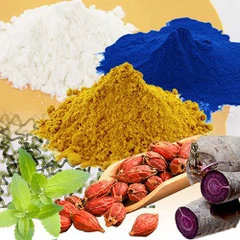
Powdered organic plant extracts generally have a longer shelf - life compared to liquid extracts, often ranging from 2 - 5 years. This is because powders are less susceptible to oxidation and microbial growth than liquids. However, they still need to be stored properly to maintain their quality.
Our Organic Star Anise Powder, when stored in a sealed container in a cool, dry place, can retain its flavor and nutritional value for up to 5 years. But if the powder is exposed to moisture, it can clump and become more prone to mold growth, significantly reducing its shelf - life.
3. Capsules and Tablets
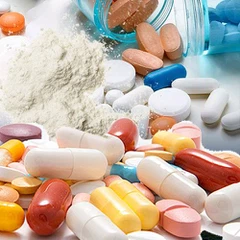
Capsules and tablets made from organic plant extracts usually have a shelf - life of 2 - 3 years. The encapsulation or tableting process can provide some protection to the plant extracts, but they are still affected by environmental factors. For example, if the capsules are stored in a humid environment, the gelatin shells can soften and allow moisture to reach the extract inside, leading to degradation.
Signs of Spoilage
It's important to be able to recognize the signs of spoilage in organic plant extracts. For liquid extracts, changes in color, such as darkening or cloudiness, can indicate that the extract has started to degrade. A change in odor, especially a sour or rancid smell, is also a clear sign of spoilage.
In the case of powdered extracts, clumping, mold growth, or a change in taste can suggest that the product is no longer suitable for use. Capsules and tablets may become discolored, brittle, or develop an off - odor if they have spoiled.
How We Ensure Product Longevity
As an organic plant extract supplier, we take several steps to ensure the longevity of our products. First, we source our plants from reliable organic farms. These plants are grown without the use of synthetic pesticides and fertilizers, which can contaminate the extracts and reduce their stability.
We also use advanced extraction and purification techniques to remove impurities and ensure the high quality of our extracts. Our products are then carefully packaged in materials that provide protection from light, air, and moisture. We conduct regular quality control tests to monitor the stability and shelf - life of our products, ensuring that they meet the highest standards before they reach our customers.
Conclusion
In conclusion, the shelf - life of organic plant extracts can vary widely depending on the type of extract, extraction method, and storage conditions. By understanding these factors and following the recommended storage guidelines, you can maximize the longevity of these valuable products.
If you're interested in purchasing high - quality organic plant extracts with a long shelf - life, we invite you to reach out to us. Our team of experts is always ready to assist you with any questions you may have and to guide you through the procurement process. Whether you're a retailer looking to stock our products or an individual interested in natural health supplements, we're here to provide you with the best organic plant extracts on the market. Contact us today to start your procurement journey.
References
- "Handbook of Herbs and Spices" by K. V. Peter
- "Plant Extracts for Pharmaceutical Applications" edited by M. S. Akhtar
- Research articles on plant extract stability and shelf - life from scientific journals such as "Journal of Agricultural and Food Chemistry" and "Phytotherapy Research"


