



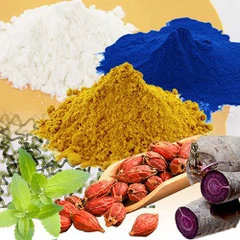


Products Description
Our Organic Fo-Ti Extract, also known as Polygonum Multiflorum (He Shou Wu) Extract, is sourced from premium Polygonum multiflorum grown in the pristine soils of the Qinling Mountains. It is meticulously produced using a blend of traditional craftsmanship and cutting-edge technology to maximize the preservation of its natural active compounds. Each batch undergoes rigorous quality testing to ensure exceptional purity and safety. Renowned as a traditional tonic, Fo-Ti is rich in diverse active ingredients that promote hair vitality, skin nourishment, and overall well-being. Whether utilized as a premium ingredient in health supplements, cosmetics, or food products, our Polygonum Multiflorum Extract delivers outstanding quality and notable benefits.
This extract does not guarantee fixed percentages of individual active compounds due to natural variation in plant chemistry and organic cultivation conditions, but each batch is accompanied by a detailed Certificate of Analysis (COA) indicating constituent ranges.
Key Features
- Certified Organic: USDA Organic, EU Organic certification
- Purity: Free from synthetic pesticides, herbicides, and artificial additives
- Batch COA Supplied: Includes microbiology, heavy metals, pesticide residues, and phytochemical profile
- Fine Powder: Customizable mesh size for formulation use
- Broad Botanical Profile: Water‑soluble constituents enriched while maintaining natural phytochemical complexity
Raw Material & Manufacturing Quality Assurance
- Organic Fo‑Ti Extract is manufactured under strict quality control and Good Manufacturing Practice (GMP) systems. All raw materials are sourced from organic agricultural farms that comply with international organic standards, with documented farm‑to‑finished product traceability.
- Quality control testing (COA) ensures compliance with major global regulatory criteria for heavy metals, microbial limits, and organic solvent residues relevant for nutraceutical and cosmetic markets.

Traditional Uses and Modern Scientific Insights
| Traditional Use | Representative Formula | Modern Research (2022‑2025) | Model & Key Data | Reference |
|---|---|---|---|---|
|
Hair darkening (黑髭发,《开宝本草》) |
Qibao Meirandan, Shouwu Yanshou Dan | Trans-stilbene glucosides activated hair follicle melanocytes; hair regrowth rate 63% | C57BL/6 aged mice, 90 d, 0.2 g/kg/day | PubMed |
|
Tonifying kidney & liver, strengthening muscles & bones (益精血,长筋骨,《本草纲目》) |
Fo‑Ti-Niuxi wine pills | Muscle strength ↑27%; telomerase activity ↑1.8 fold | 24-month-old mice, ethanol extract | PubMed |
|
Cardiovascular support (止心痛,益气血) |
Combined with Danggui & Gouqi | LDL-C ↓32%; HMG-CoA reductase inhibited | 120 hyperlipidemic patients, 10 g/day, 8 weeks | PubMed |
|
Laxative effect (润肠通便,《景岳全书》) |
Raw Fo‑Ti 15 g decoction | Raw anthraquinone 1.2–2.5% stimulates enteric neurons; processed 0.3% | Constipated patients; bowel frequency ↑2.3/week | PubMed |
| Antimicrobial & anti-inflammatory (解毒,消痈,《本草汇言》) | Topical Fo‑Ti powder | Ethanol extract MIC 0.25 mg/mL against S. aureus; NO IC50=8.4 µg/mL | RAW264.7 macrophages, 96-well plates | PubMed |
| Immune enhancement & radioprotection (免疫提升,抗辐射) | Adjuvant therapy formulas | Survival ↑40%; lymphocyte transformation ↑28% | BALB/c mice, 6 Gy γ-irradiation, n=20 | PubMed |
|
Lipid-lowering & anti-atherosclerosis (降血脂,抗动脉粥样硬化) |
Qing Shen Xiao Zhi Tang | Total cholesterol ↓18%; triglycerides ↓1.2 mmol/L; aortic plaque ↓34% | ApoE⁻/⁻ mice, 4 weeks | PubMed |
|
Antioxidant & anti-aging (抗氧化,抗衰老) |
Nine-steaming, nine-baking processed Fo‑Ti | ORAC 1,850 µmol TE/g; SOD ↑40%, GSH-Px ↑35% | D-galactose aging rats, 6 weeks | PubMed |
|
Hepatotoxicity risk (肝毒性风险) |
Raw or long-term high-dose Fo‑Ti | Cis-stilbene glucoside increased ALT 3.5-fold; nine-steaming reduced liver toxicity | SD rats, 28-day toxicity study | PubMed |
|
Traditional malaria & tonic use (截疟,补虚,《赤水玄珠》) |
Fo‑Ti Pills with Bie Xie | No modern anti-malarial studies; polysaccharides ↑ macrophage phagocytosis 28% | Mouse carbon clearance assay | PubMed |
Key Insight for Procurement
Modern experimental and clinical studies quantify several traditional claims, including hair darkening, muscle/bone strengthening, lipid-lowering, antioxidant activity, and immune enhancement.
Certain traditional uses, such as antimalarial effects, remain preclinical or anecdotal, with limited modern validation.
Liver safety is a critical consideration; processed Fo‑Ti (Nine‑Times Steamed and Sun‑Dried) reduces free anthraquinone content, offering safer raw materials for product formulation.
B2B Recommendation: Select processed organic Fo‑Ti extracts with batch COA to combine traditional efficacy, modern validation, and minimal hepatotoxicity risk.
Typical Applications
|
Application Sector |
Typical Use Case |
Recommended Grade |
Processing Type |
Notes |
|
Hair Health Supplements |
Hair vitality, anti-graying, follicle support formulas |
Stilbene glycoside ≥10%–20% |
Processed (Zhi) |
Primary commercial application in Western markets |
|
Anti-Aging Supplements |
Longevity blends, antioxidant formulas |
Stilbene glycoside ≥10%–20% |
Processed (Zhi) |
TSG antioxidant activity; adaptogen positioning |
|
TCM-Derived Formulations |
Liver-kidney tonic, classical adaptogen formulas |
10:1 or 20:1 TER |
Processed (Zhi) |
Traditional application; origin and processing documentation essential |
|
Cosmetics & Topicals |
Scalp serums, hair care actives, anti-aging skin care |
Stilbene glycoside ≥20% |
Raw or Processed |
Topical application; anthraquinone concern less relevant externally |
|
Nootropic & Cognitive Blends |
Neuroprotective stacks, memory support |
Stilbene glycoside ≥10% |
Processed (Zhi) |
TSG neuroprotective research interest |
|
Sports & Adaptogen Nutrition |
Endurance, recovery, adaptogen blends |
Stilbene glycoside ≥10% |
Processed (Zhi) |
Emerging application; pairs with ashwagandha, rhodiola |
- The market reality for Western formulators: In North American and European supplement markets, fo-ti is positioned almost exclusively in hair health and anti-aging categories. The stilbene glycoside content - and the documentation of processing type - are the two parameters that premium brands and their retail partners scrutinize most closely. A supplier who cannot provide both on a batch-specific COA is a sourcing liability.
Organic Fo‑Ti Extract vs Conventional Fo‑Ti Extract
1. Cultivation & Chemical Residues
Organic Fo‑Ti Extract:
Organic farming restricts synthetic pesticides and fertilizers and relies on natural pest control, crop rotation, and organic inputs. This means plants are grown under strict residue control protocols, minimizing synthetic chemical residues in the final extract. Organic certification requires comprehensive auditing from seed to shelf.
Conventional Fo‑Ti Extract:
Conventional farming may use a wider array of synthetic pesticides and herbicides to increase yield and manage disease pressure. Residues from these inputs can persist in plant material and potentially concentrate during extraction unless thoroughly controlled.
Procurement Insight: For markets with stringent residue testing, organic extracts provide higher traceability and reduced risk of synthetic residues.
2. Extraction Solvents & Purity
Organic Fo‑Ti Extract:
Organic processing strictly limits solvent types to those permitted under organic standards (water, organic alcohol), and prohibits non‑organic or petroleum‑derived solvents. Quality assurance includes documentation of solvent use and traceability.
Conventional Fo‑Ti Extract:
Conventional extraction can employ a broader range of solvents (e.g., industrial ethanol or other organic solvents) with necessary downstream purification but may carry a greater risk of detectable solvent residues if not properly controlled.
Procurement Insight: Organic extract solvent controls can reduce compliance risk for clean label declarations.
3. Traceability & Certification
Organic certification requires detailed farm‑to‑finished product documentation, including regular inspections and record validation. This enhances transparency in the supply chain beyond typical conventional quality controls.
Procurement Insight: Organic certification facilitates export to markets (e.g., EU, US) that emphasize verified organic status.
Organic Fo‑Ti Extract vs Organic Fo‑Ti Root Powder
This comparison helps procurement teams evaluate which botanical material form best matches formulation and regulatory needs.
1. Processing & Phytochemical Content
| Feature | Organic Fo‑Ti Extract | Organic Fo‑Ti Root Powder |
|---|---|---|
| Processing | Solvent extraction to concentrate water‑soluble constituents | Drying and milling of whole root |
| Phytochemical Profile | Concentrated water‑soluble compounds | Full plant matrix including fiber and insoluble components |
| Particle Uniformity | Controlled mesh size | Variable, often coarser |
| Dose Efficiency | Lower dosage due to concentrated constituents | Higher dosage required for similar constituent delivery |
Procurement Insight:
Extracts are more suitable for finished products requiring consistent blending, solubility, and lower dosage forms; powders are more traditional and bulk in nature.
2. Application Suitability
| Application | Organic Fo‑Ti Extract | Organic Fo‑Ti Root Powder |
|---|---|---|
| Dietary Supplements | Excellent: capsules, tablets, powders | Applicable: teas, bulk herbal blends |
| Functional Beverages | Good dispersion | Poor solubility |
| Cosmetic Formulations | Good compatibility | Less suited due to insolubles |
| Dose Precision | Higher | Lower |
More Organic Products Catalogue: Explore all certified organic extracts → https://www.jiuyuanbio.com/organic-plant-extract/
Company Profile: Learn about our certifications, manufacturing capabilities, and R&D → https://www.jiuyuanbio.com/about-us/company-profile.html
Usage & Safety Considerations for Your Procurement
1. Batch COA Review Is Essential
For all botanical extracts-including organic ones-procurement should require batch‑specific Certificates of Analysis (COA). COAs provide objective data on microbiology, heavy metals, pesticide residues, and other quality metrics.
Best Practice:
- Evaluate heavy metals, microbial limits, and pesticide residues against importing market regulatory standards.
- Confirm that extraction solvents used are within acceptable limits for target markets.
2. Phytochemical Variability and Formulation Planning
Organic extracts are subject to natural variability due to soil, climate, and crop conditions. This means:
- Phytochemical profiles can vary across batches
- Formulators should design product ranges with acceptable variance bands
- Markers can be used for consistency, but organic standards do not require fixed marker levels
Procurement Insight:
Work with suppliers who provide range‑based COA data and documented variability trends.
3. Liver Safety Signals Reported by International Health Sources
Multiple reputable public health publications and databases have documented safety concerns involving Polygonum multiflorum products, including liver injury cases that resolved after product discontinuation. These observations should be considered in risk communication to your customers and included on end‑product labels where relevant health regulations require.
Best Practice:
- Align cautionary language with international safety reports
- Include guidance for end customers to consult healthcare professionals if using orally, especially for individuals with liver conditions
4. Solvent Residue and Organic Compliance Verification
Organic certification systems enforce strict solvent use rules; procurement should validate that extraction processes strictly follow organic standards to ensure compliance with importing market requirements.
Packaging & Delivery
|
Standard Packaging: 25 kg fiber drums with food‑grade liners Optional Packaging: 1 kg, 5 kg, 10 kg OEM configurations Storage Conditions: Keep in cool, dry conditions away from direct sunlight Shelf Life: 24 months (unopened) Lead Time: Typically 7–14 days after order confirmation Shipping: By sea, air, or express per customer preference |
|

|
|
|
|
|
By Air 100 kg- 1000 kg, 5- 7 days Airport-to-airport service professional clearance broker needed |
By Sea Over 300kg, Around 30 Days Port-to-port service professional clearance broker needed |
Express Under 100kg, 3- 5 days Door-to-door service easy to pick up the goods |


About Shaanxi Jiuyuan Biotech
Shaanxi Jiuyuan Biotechnology Co., Ltd. is a leading botanical extract manufacturer with over 13 years of experience, specializing in organic and conventional plant extracts. Our facilities are certified to ISO9001, FSSC22000, HACCP, and organic standards, ensuring quality assurance through modern production lines, advanced testing equipment, and rigorous quality control systems.
|
|
|


FAQ
Q1: What is the difference between raw fo-ti (Sheng He Shou Wu) and processed fo-ti (Zhi He Shou Wu)?
Raw fo-ti (Sheng He Shou Wu) is the dried, unprocessed tuberous root. It retains relatively high free anthraquinone content - including emodin and physcion - which is associated with laxative activity and the hepatotoxicity risk documented in case reports. Processed fo-ti (Zhi He Shou Wu) undergoes repeated steaming with black soybean decoction, a traditional method that substantially reduces free anthraquinone content while largely preserving the stilbene glycoside fraction. For oral dietary supplement applications, processed fo-ti is the appropriate form. Raw fo-ti is suitable for topical/cosmetic applications and specific TCM formulations where the full phytochemical matrix is required.
Q2: What is the hepatotoxicity concern with fo-ti, and how does your extract address it?
The hepatotoxicity cases associated with Polygonum multiflorum documented in the medical literature and reviewed by the NIH LiverTox database are predominantly linked to raw or inadequately processed preparations, and in some cases to excessive dosing or idiosyncratic reactions. The free anthraquinone fraction - particularly emodin - is considered the primary hepatotoxic driver. Our processed (Zhi) extract undergoes validated black bean-curing that significantly reduces free anthraquinone content, and we report measured emodin and physcion values on every COA. We do not provide dosage recommendations - finished product manufacturers are responsible for safety assessment and appropriate labeling in their target market.
Q3: What is TSG, and why is it the primary marker compound?
TSG (2,3,5,4′-tetrahydroxystilbene-2-O-β-D-glucoside) is a stilbene glycoside unique to Polygonum multiflorum root and the principal bioactive compound identified in modern phytochemical research on this plant. It is structurally related to resveratrol but carries a glucoside moiety that influences its absorption and metabolic profile. Published research has examined TSG in the context of antioxidant activity, neuroprotection, and hair follicle biology. Its specificity to Polygonum multiflorum makes it both a reliable identity marker and a quantifiable efficacy target for standardized extract production.
Q4: Is organic fo-ti extract compliant with EU regulations for botanical food supplements?
Polygonum multiflorum root extract is listed in the EU Botanical Compendium. Our organic extract is produced in compliance with EU Regulation 396/2005 on pesticide MRLs and carries EU Organic certification. Buyers targeting the EU market should note that health claims for fo-ti have not been authorized under EU Regulation 1924/2006, and that some EU member states have issued precautionary advisories regarding Polygonum multiflorum preparations. Label claims and market-specific regulatory compliance should be reviewed by qualified regulatory counsel.
Q5: Can fo-ti extract be used in cosmetic formulations?
Yes. For topical and cosmetic applications - scalp serums, hair care actives, anti-aging skin care - the anthraquinone concern is substantially less relevant than for oral applications, as dermal absorption of anthraquinones from topical preparations is limited. The stilbene glycoside fraction and the tannin-rich matrix are the primary drivers of interest in cosmetic applications. For leave-on cosmetic products, we recommend the ≥20% stilbene glycoside grade for consistent active content, and we provide the safety documentation required for EU Cosmetics Regulation (EC 1223/2009) compliance.
Q6: How do I verify that the fo-ti extract I receive is not adulterated with a morphologically similar species?
Polygonum multiflorum has several morphologically similar species in the Polygonaceae family that have been documented as adulterants in the supply chain. Botanical identity verification requires macroscopic examination of root morphology, microscopic examination of root cross-sections, and TLC fingerprint comparison against authenticated reference material. We provide TLC fingerprint data on every COA and maintain authenticated reference standards for identity comparison. Independent botanical identity verification through a qualified laboratory is recommended for first-order qualification.
Q7: What documentation do I need to import organic fo-ti extract into the U.S. market?
For U.S. dietary supplement import, you will need: (1) FDA facility registration documentation confirming our facility is registered as a food facility, (2) batch-specific COA meeting 21 CFR Part 111 supplier qualification requirements, (3) MSDS/SDS, (4) allergen and GMO declaration, (5) organic transaction certificate (NOP), and (6) standard commercial documentation (commercial invoice, packing list, COO). We prepare and provide all of these as part of our standard export documentation package.
Q8: What is the difference between a ratio extract (10:1, 20:1) and a standardized extract (stilbene glycoside ≥10%)?
A ratio extract (e.g., 10:1 TER - total extract ratio) indicates that 10 kg of raw root material was used to produce 1 kg of extract. It does not guarantee a specific active compound content - the actual stilbene glycoside percentage in a 10:1 ratio extract will vary depending on the raw material quality and extraction efficiency. A standardized extract (e.g., stilbene glycoside ≥10% HPLC) guarantees a minimum active compound content regardless of the raw material-to-extract ratio. For supplement formulations where label claims reference stilbene glycoside content, standardized extract grades are the appropriate specification. Ratio extracts are suitable for traditional TCM formulations where whole-spectrum composition is the priority.
Request a Sample or Commercial Quote
Jiuyuan Biotech supplies Organic Fo-Ti Extract to food manufacturers, supplement brands, and contract formulators across North America, Europe, and the Asia-Pacific region. Our technical team - not a generic sales inbox - handles every inquiry.
Email: info@jiuyuanbio.com
Website: www.jiuyuanbio.com
Request: Sample| Bulk Quote | CoA & Spec Sheet | Custom Carrier Ratio
Standard response time: within 1 business day. Please include your target application and annual volume estimate for the most relevant technical recommendation.
Hot Tags: Organic Fo-Ti Extract, He Shou Wu extract, Polygonum multiflorum extract, stilbene glycoside, processed fo-ti root, bulk fo-ti powder, organic he shou wu wholesale, fo-ti supplement ingredient B2B


