

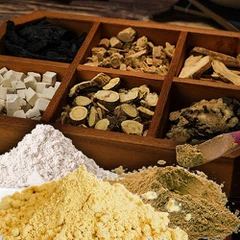
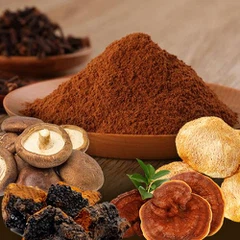


As a seasoned supplier of Baicalin Powder, I'm excited to share the comprehensive process of its large - scale production. Baicalin Powder, derived from the roots of Scutellaria baicalensis Georgi, has gained significant attention in the health and wellness industry due to its numerous health benefits, including anti - inflammatory, antioxidant, and antiviral properties.
Raw Material Sourcing
The first and most crucial step in large - scale Baicalin Powder production is the sourcing of high - quality raw materials. We establish long - term partnerships with reliable farmers who cultivate Scutellaria baicalensis Georgi under strict quality control standards. These farmers are well - trained in organic farming techniques, ensuring that the plants are free from pesticides, heavy metals, and other contaminants.
We conduct regular inspections of the farms to monitor the growth conditions, such as soil quality, water source, and climate. Only when the plants reach the optimal maturity stage, usually after 2 - 3 years of growth, are they harvested. The harvested roots are then transported to our processing facility as soon as possible to preserve their active ingredients.
Cleaning and Pre - treatment
Once the roots arrive at our facility, they undergo a thorough cleaning process. The roots are first washed with clean water to remove dirt, sand, and other debris. After that, they are sorted to remove any damaged or diseased parts.
Next, the cleaned roots are sliced into small pieces to increase the surface area for subsequent extraction. This pre - treatment step is essential as it helps to improve the efficiency of the extraction process and ensures a higher yield of Baicalin.
Extraction
The extraction process is the core step in Baicalin Powder production. We use advanced extraction technologies to ensure the maximum extraction of Baicalin from the roots. One of the most commonly used methods is the solvent extraction method.
We use food - grade solvents, such as ethanol, to extract Baicalin from the sliced roots. The roots are placed in large extraction tanks, and the solvent is added in a specific ratio. The mixture is then heated and stirred for a certain period to allow the Baicalin to dissolve in the solvent.
During the extraction process, we carefully control the temperature, time, and solvent - to - raw material ratio to optimize the extraction efficiency. After extraction, the mixture is filtered to separate the liquid extract from the solid residues.
Purification
The liquid extract obtained from the extraction step contains not only Baicalin but also other impurities, such as pigments, sugars, and proteins. Therefore, a purification step is necessary to obtain high - purity Baicalin.
We use a combination of techniques, including precipitation, filtration, and chromatography, for purification. In the precipitation step, specific reagents are added to the liquid extract to precipitate the impurities. The mixture is then filtered to remove the precipitated impurities.
Chromatography is a powerful purification technique that can separate different components in the extract based on their physical and chemical properties. We use column chromatography to further purify the Baicalin, ensuring that its purity meets the strict quality standards.
Concentration and Drying
After purification, the Baicalin solution is concentrated to increase its Baicalin content. We use vacuum evaporation technology to remove the solvent from the solution under reduced pressure, which can effectively prevent the degradation of Baicalin due to high - temperature exposure.
Once the solution is concentrated to a certain extent, it is dried to obtain Baicalin Powder. We use spray - drying technology, which involves spraying the concentrated solution into a hot air stream. The rapid evaporation of water in the hot air stream results in the formation of fine Baicalin Powder particles.


Quality Control
Quality control is an integral part of our large - scale Baicalin Powder production process. We have a professional quality control team that conducts strict inspections at every stage of production, from raw material sourcing to the final product.
We use advanced analytical instruments, such as high - performance liquid chromatography (HPLC), to determine the Baicalin content and purity of the powder. In addition, we also test for other quality indicators, such as heavy metal content, microbial limits, and moisture content, to ensure that our Baicalin Powder meets the international quality standards.
Packaging and Storage
After passing the quality control tests, the Baicalin Powder is packaged in sealed containers to prevent moisture, oxygen, and light from affecting its quality. We use high - quality packaging materials, such as aluminum foil bags and plastic bottles, to ensure the long - term stability of the powder.
The packaged Baicalin Powder is then stored in a cool, dry, and dark place to maintain its quality. We also have a well - organized inventory management system to ensure the timely delivery of products to our customers.
Other Related Products
In addition to Baicalin Powder, we also offer a wide range of other plant extracts, such as Green Tea Leaf Extract, Ginkgo Biloba Extract Powder, and Broccoli Seed Extract. These products are also produced using advanced technologies and strict quality control measures, providing our customers with high - quality and effective natural products.
If you are interested in our Baicalin Powder or other plant extracts, please feel free to contact us for more information and to discuss your procurement needs. We are committed to providing you with the best products and services.
References
- Huang, X., & Zheng, Y. (2018). Advances in the extraction, purification, and pharmacological activities of baicalin. Chinese Herbal Medicines, 10(3), 227 - 235.
- Zhang, Y., & Li, H. (2019). Quality control of traditional Chinese medicine extracts: A review. Journal of Pharmaceutical and Biomedical Analysis, 171, 112691.
- Wang, L., & Chen, S. (2020). Spray - drying technology for the production of herbal extracts: A review. Drying Technology, 38(10), 1274 - 1285.


