






Hey there! As an α - arbutin supplier, I've been getting a lot of questions lately about how α - arbutin affects the pH of the skin. So, I thought I'd dive deep into this topic and share some insights with you all.
First off, let's talk a bit about what α - arbutin is. α - arbutin is a well - known skin - lightening agent. It works by inhibiting the activity of tyrosinase, an enzyme that plays a crucial role in the production of melanin. Melanin is the pigment that gives our skin, hair, and eyes their color. By reducing melanin production, α - arbutin can help fade dark spots, hyperpigmentation, and give the skin a more even tone.
Now, onto the main question: how does it affect the skin's pH? The skin has a natural pH that usually ranges between 4.5 and 5.5, which is slightly acidic. This acidic environment is known as the acid mantle, and it serves as a protective barrier for the skin. It helps keep harmful bacteria and other pathogens at bay, and also helps maintain the skin's moisture balance.
α - arbutin itself is relatively pH - neutral. When formulated into skincare products, it doesn't have a significant direct impact on the skin's pH. However, the way it's formulated can make a difference. For example, if it's added to a product with a high pH, say around 7 or above, it might disrupt the skin's acid mantle. This is because the high - pH product can neutralize the skin's natural acidity, making it more vulnerable to damage.
On the other hand, when α - arbutin is included in a well - formulated skincare product with a pH in the optimal range (close to the skin's natural pH), it can work in harmony with the skin. A product with the right pH will not only preserve the skin's acid mantle but also enhance the effectiveness of α - arbutin. The slightly acidic environment can help the skin better absorb the α - arbutin, allowing it to penetrate deeper into the skin layers and work more efficiently on inhibiting tyrosinase.
Let's take a look at some of the benefits of maintaining the right pH when using α - arbutin. When the skin's pH is balanced, the skin feels more comfortable. There's less chance of irritation, redness, or dryness. This is especially important because some people with sensitive skin might be more prone to these issues when using skincare products. By keeping the pH in check, we can ensure that α - arbutin is delivered to the skin in a way that's both effective and gentle.

Now, I'd like to mention a few other plant extracts that can work well with α - arbutin in skincare formulations. Check out Honeysuckle Extract Powder. Honeysuckle extract has antibacterial and anti - inflammatory properties. It can help soothe the skin and prevent any potential inflammation that might occur when using α - arbutin.
Another great option is Lophatherum Gracile Brongn Extract. This extract is known for its moisturizing and calming effects. It can help keep the skin hydrated and reduce any discomfort that might be associated with changes in the skin's pH.
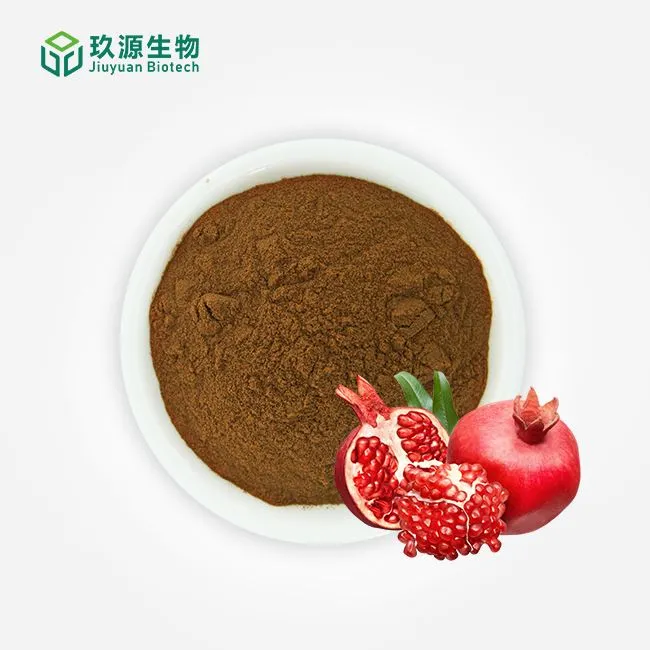
And then there's Pomegranate Peel Extract. Pomegranate peel extract is rich in antioxidants. It can protect the skin from free - radical damage and also support the overall health of the skin. When combined with α - arbutin, these extracts can create a powerful skincare formula that not only lightens the skin but also takes care of its overall well - being.
When formulating skincare products with α - arbutin, it's essential to pay attention to the pH of the final product. Skincare manufacturers need to do proper testing to ensure that the pH is within the optimal range for the skin. They can use pH - adjusting agents if necessary to fine - tune the product's pH.
As a supplier of α - arbutin, I'm always working with our clients to provide them with the best - quality product and also offer advice on how to formulate it correctly. We understand that getting the pH right is crucial for the success of the final skincare product.
If you're in the skincare industry and looking to source high - quality α - arbutin, or if you have any questions about how to formulate it into your products, don't hesitate to reach out. We're here to help you create amazing skincare products that work effectively and are gentle on the skin. Whether you're a small - scale brand or a large - scale manufacturer, we can meet your needs.
In conclusion, α - arbutin itself doesn't have a major direct impact on the skin's pH, but the formulation matters a great deal. By formulating it in products with the right pH, we can maximize its benefits and ensure that the skin stays healthy and happy. So, if you're interested in exploring the potential of α - arbutin in your skincare formulations, let's start a conversation and see how we can work together.
References
- "Skin Physiology and pH: The Acid Mantle" - Journal of Dermatological Science
- "The Mechanism of Action of α - Arbutin in Skin Lightening" - International Journal of Cosmetic Science


