




What Does Plantago Do For The Body?
Jul 03, 2025
Leave a message
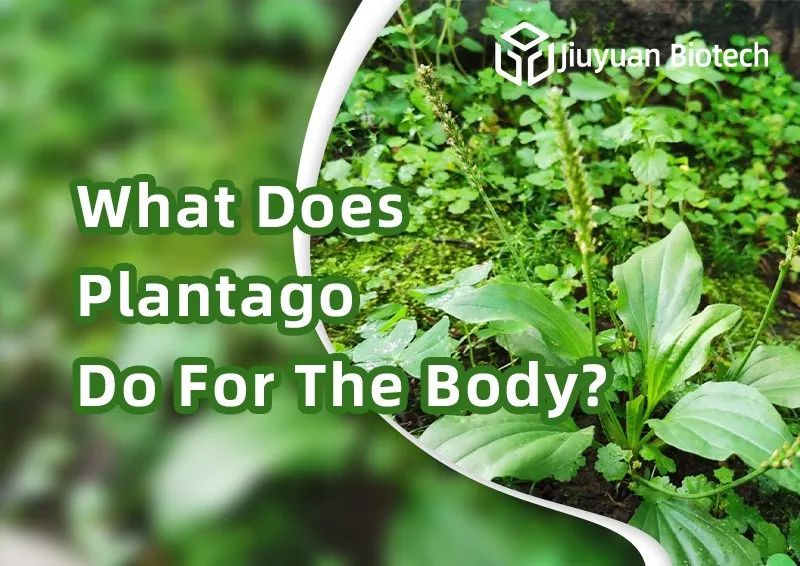
Plantago, an ancient and remarkable herb, has been widely used in traditional medicine for centuries. From the "Shennong Ben Cao Jing" (The Divine Farmer's Materia Medica) to modern herbalism, Plantago has safeguarded human health with its unique medicinal value. In recent years, as scientific research continues to deepen, Plantago's potential in various fields has gradually been revealed. It's not just a natural herb but also a treasure trove for modern medical research. This article will thoroughly explain the benefits of Plantago for human health and how to use it safely and effectively.
Basic Understanding of Plantago
Plant Properties and Historical Evolution
Plantago asiatica L. or Plantago major L. is a perennial herbaceous medicinal plant widely distributed worldwide. In China, as early as the "Shennong Ben Cao Jing," Plantago was listed as a high-grade medicinal material, recorded for its ability to "treat qi dysuria, relieve pain, promote urination, and eliminate dampness-bi syndrome." In the West, the ancient Greek physician Dioscorides also documented the use of Plantago for treating wounds and eye inflammation in "De Materia Medica." Ayurvedic medicine considers it a good remedy for purifying blood and alleviating urinary tract problems. Over thousands of years of practice, Plantago has accumulated rich experience in its application.
Core Active Ingredients and Their Pharmacological Basis
Plantago is rich in various active ingredients that contribute to its wide range of pharmacological effects. The main components include:
Mucilage and Dietary Fiber: These are Plantago's most significant components, especially abundant in the seeds. Mucilage content in seeds can reach 25% - 30%, expanding into a gel when exposed to water, which is crucial for its laxative and mucosal protective properties. Clinical studies show that after taking Plantago husk powder, stool water content increases by about 30%, and intestinal transit time shortens by 15% - 20%.
Flavonoids: Such as luteolin and apigenin, these are powerful antioxidants and anti-inflammatory agents, giving Plantago the ability to scavenge free radicals and reduce inflammatory responses. Experiments have confirmed that apigenin can reduce the expression of the inflammatory factor TNF-α by 40% - 50%.
Polyphenols and Polysaccharides: These have potential for immune modulation, anti-tumor activity, and promoting wound healing.
Alkaloids and Glycosides: These provide specific pharmacological activities, such as antibacterial and antidiarrheal effects, showing significant inhibitory effects on E. coli and Staphylococcus aureus.
In-depth Analysis of Human System Regulatory Functions
Respiratory System Care: Soothing, Purifying, and Balancing
Plantago significantly benefits the respiratory system, with multiple clinical studies providing strong evidence. In a study involving 120 patients with chronic bronchitis, patients who took Plantago extract preparation experienced an average 42% reduction in cough frequency, decreased sputum viscosity, and easier expectoration. Its mechanisms of action are as follows:
Mucosal Protection and Cough Relief/Expectorant: Mucilage forms a protective layer in the respiratory tract, effectively soothing irritated respiratory mucous membranes and significantly alleviating cough (especially dry cough), pharyngitis, and laryngitis caused by bronchitis. Its gentle expectorant action helps to thin viscous phlegm, making it easier to expel, thereby improving respiratory patency, which is particularly beneficial for chronic respiratory infections or smoking-induced cough.
Anti-inflammatory and Allergy Regulation: Flavonoid components can inhibit the release of inflammatory mediators, reducing respiratory inflammation. Its antihistamine properties may help alleviate allergic respiratory diseases such as asthma, allergic rhinitis, and chronic bronchitis, easing respiratory spasms and allergy-induced symptoms.
Digestive System Improvement: Bidirectional Regulation and Barrier Enhancement
Plantago's improvement of the digestive system is mainly reflected in the following aspects:
Bidirectional Regulation of Intestinal Function: Dietary fiber absorbs water and swells, increasing stool volume and promoting intestinal peristalsis, effectively relieving constipation. An experiment involving 200 constipation patients showed that after 4 weeks of taking Plantago preparations, 82% of patients' bowel movements returned to normal. At the same time, its tannin and alkaloid components also have an astringent effect on mild diarrhea.
Gastrointestinal Mucosal Protection: Mucilage forms a physical barrier in the digestive tract, protecting the gastrointestinal mucosa from erosion by stomach acid, digestive enzymes, and irritating foods, helping to prevent gastritis and gastric ulcers and alleviate indigestion symptoms.
Assisted Blood Sugar Control: The soluble fiber in Plantago can delay glucose absorption, helping to stabilize post-meal blood sugar levels. Its active ingredients may assist diabetic patients in blood sugar management by improving insulin sensitivity or pancreatic cell function.
Urinary System Health: Detoxification and Stone Prevention
Plantago's health benefits for the urinary system are mainly reflected in the following aspects:
Gentle Diuretic Effect: Plantago has a significant diuretic effect, promoting the kidneys' excretion of excess water and metabolic waste products (such as uric acid, urea), helping to reduce edema and maintain fluid and electrolyte balance in the body. It also has an auxiliary cleansing effect on mild urinary tract infections.
Kidney Stone Prevention: Research indicates that certain components in Plantago can inhibit the formation and growth of calcium oxalate crystals, thereby effectively reducing the risk of kidney and bladder stones. This is particularly important for individuals with a family history of stones or a tendency for recurrence.
Comprehensive Body Health Maintenance: Multi-dimensional Protective Mechanisms
Skin Repair and External Efficacy
Plantago's skin repair and protective effects are primarily reflected in the following aspects:
Promotes Wound Healing: Plantago is rich in polyphenols, polysaccharides, and antioxidants. These components promote cell regeneration and collagen synthesis, accelerating the healing process of small skin injuries, cuts, abrasions, and minor burns, and reducing scar formation.
Anti-inflammatory and Antimicrobial: Plantago has broad-spectrum antibacterial and antifungal activity. Its external preparations (such as poultices or infusions) can effectively alleviate skin inflammation (such as eczema, dermatitis), itching, and swelling caused by insect bites, and inhibit the spread of bacterial and fungal infections.
Chronic Disease Prevention and Antioxidant Barrier
Plantago's role in chronic disease prevention is mainly reflected in the following aspects:
Potent Anti-inflammatory and Antioxidant Capacity: The flavonoids (such as luteolin, apigenin) and polyphenols in Plantago are highly effective natural antioxidants that can effectively scavenge free radicals in the body and reduce oxidative stress damage to cells and DNA. This helps lower the risk of chronic inflammation-related diseases (such as cardiovascular diseases, arthritis).
Potential Anti-tumor Effects: Modern pharmacological studies have found that Plantago extracts inhibit proliferation and induce apoptosis in various cancer cell lines, including breast cancer, colon cancer, and melanoma. The mechanism may involve regulating the cell cycle, inhibiting tumor angiogenesis, and affecting the expression of certain oncogenes. Butyrate, produced by the fermentation of dietary fiber in Plantago in the gut, has also been shown to inhibit colon cancer cells.
Lipid Regulation and Cardiovascular Health: Soluble fiber binds bile acids, lowering cholesterol levels. Clinical studies show that taking 8g of Plantago preparation daily for 8 consecutive weeks reduced total cholesterol by 12% and low-density lipoprotein cholesterol by 15%.
Safe Use Guidelines and Precautions
Potential Risks and Side Effects
Gastrointestinal Discomfort: Some individuals using Plantago, especially psyllium husk, may experience mild gastrointestinal gas, bloating, or cramps due to its high fiber content. This usually subsides as the body adapts or the dosage is adjusted.
Allergic Reactions: A very small number of individuals with allergies may develop allergic reactions to Plantago, manifesting as rashes, itching, or difficulty breathing. When using for the first time, it's recommended to start with a small dose and monitor for any reactions.
Choking Risk: When taking dry Plantago powder, there's a risk of choking or esophageal blockage if not mixed with sufficient liquid. Always take it with plenty of water.
Important Contraindications and Special Cases
Pregnant and Breastfeeding Women: Due to a lack of sufficient safety data, and some studies suggesting that Plantago may cause uterine contractions, pregnant and breastfeeding women should avoid using Plantago products to ensure fetal and infant safety.
Patients with Severe Intestinal Diseases: Patients with intestinal obstruction, fecal impaction, megacolon, or dysphagia should not use Plantago, as it may worsen intestinal obstruction or cause choking.
Drug Interactions: Plantago (especially its high-fiber components) may affect the absorption of certain medications, such as digoxin, lithium salts, carbamazepine, and some diabetes medications. It is recommended to take Plantago at least 2 hours apart from these medications or use it under medical supervision.
Usage Recommendations for Different Groups
General Healthy Population
For daily health maintenance, Plantago tea can be chosen. Take 5-10g of Plantago seeds, boil them in water, and simmer for 10-15 minutes. Drink as tea 3-4 times a week for diuretic and digestive benefits.
Patients with Chronic Diseases
Diabetic patients, under the guidance of a doctor, can take 5-10g of Plantago powder daily to assist with blood sugar control. Individuals with dyslipidemia can choose Plantago capsule preparations, taking them according to the instructions to help regulate blood lipids.
Individuals with Special Constitutions
Those with allergic constitutions should perform a skin allergy test before use. For elderly people and children, the dosage should be halved, and physical reactions should be closely monitored.
Conclusion
Plantago, as an ancient medicinal plant, provides multi-faceted support for our health through its rich active ingredients and broad pharmacological effects. From soothing the respiratory system to regulating the digestive system, from promoting urinary health to repairing the skin, the benefits of Plantago are numerous. However, like any natural herb, Plantago must be used with caution. Before use, be sure to consult a professional healthcare provider to ensure safety and effectiveness.
In modern applications, the development and utilization of Plantago extracts provide a new direction for the scientific and standardized use of traditional herbal medicine. Shaanxi Jiuyuan Biotech, as a leading domestic manufacturer of natural plant extracts, specializes in the research and development, and production of Plantago extracts. Their products undergo strict quality control and scientific validation, ensuring safety and effectiveness. Shaanxi Jiuyuan Biotech's Plantago extract is widely used in health products, medicines, and functional foods, providing consumers with high-quality health solutions.
We hope this article has helped you better understand Plantago and how to reasonably utilize this natural health resource in your daily life.
References
[1] Ghasemian, M., Owlia, S., & Ghasemian, R. (2018). Plantago major in Traditional Persian Medicine. Journal of Complementary and Integrative Medicine, 15(4).
[2] Matev, M., Lukanov, J., & Uzunov, P. (1998). Effects of Plantago major L. on some biochemical parameters and gastric secretion in experimental animals. Phytotherapy Research, 12(3), 199-201.
[3] Sagdic, O., & Ozturk, B. (2012). Antimicrobial and antioxidant activities of Plantago major extracts. Journal of Medicinal Plants Research, 6(16), 3183-3187.
[4] Ma, Y. (2017). Research Progress on the Pharmacological Effects of Plantago Seed. Journal of Clinical Rational Drug Use, 10(23), 133-134.
[5] National Pharmacopoeia Commission. (2020). Pharmacopoeia of the People's Republic of China (Part I). China Medical Science Press.
Send Inquiry