





Can Organic Plant Extract be Used in Toothpaste?
In recent years, there has been a growing trend towards natural and organic products in the consumer market, and the oral care industry is no exception. As an organic plant extract supplier, I am often asked whether organic plant extracts can be used in toothpaste. In this blog post, I will explore the potential of organic plant extracts in toothpaste formulations, highlighting their benefits, challenges, and the current state of research in this area.
The Benefits of Organic Plant Extracts in Toothpaste
Organic plant extracts offer several advantages when incorporated into toothpaste. Firstly, they are derived from natural sources, which can be appealing to consumers who prefer products with minimal synthetic chemicals. Many plants contain bioactive compounds such as antioxidants, anti - inflammatory agents, and antimicrobial substances, which can contribute to oral health.
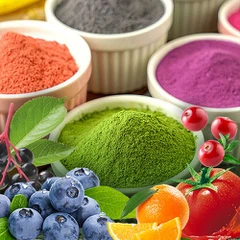
For example, Organic Elderberry Extract is rich in flavonoids, which have antioxidant and anti - microbial properties. These properties can help protect the teeth and gums from oxidative stress and harmful bacteria. Oxidative stress can lead to tooth decay and gum disease, and by neutralizing free radicals, elderberry extract may play a role in maintaining oral health.
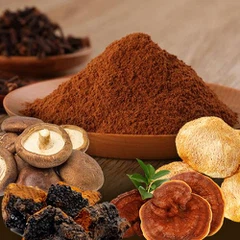
Organic Reishi Extract Powder is another interesting option. Reishi mushrooms have been used in traditional medicine for centuries. They contain polysaccharides and triterpenoids, which have immunomodulatory, anti - inflammatory, and antibacterial effects. In the context of toothpaste, these properties could potentially help reduce inflammation in the gums and prevent the growth of bacteria that cause bad breath and cavities.
Organic Hawthorn Berry Extract is also known for its health - promoting properties. It contains antioxidants like flavonoids and proanthocyanidins. These antioxidants can help protect the oral tissues from damage and may also have a positive impact on blood circulation in the gums. Good blood circulation is essential for maintaining healthy gums and preventing periodontal diseases.
Secondly, organic plant extracts can provide a more natural flavor and aroma to toothpaste. Instead of relying on artificial flavors, plant extracts can offer a refreshing and pleasant taste. For instance, mint extracts are commonly used in toothpaste to provide a cool and clean feeling in the mouth. Other herbs like chamomile or lavender can also be used to create a more soothing and relaxing toothpaste experience.
Challenges of Using Organic Plant Extracts in Toothpaste
Despite their many benefits, there are also some challenges associated with using organic plant extracts in toothpaste. One of the main challenges is stability. Plant extracts are often more sensitive to environmental factors such as light, heat, and moisture compared to synthetic ingredients. This can lead to degradation of the bioactive compounds over time, reducing their effectiveness.
To overcome this challenge, proper formulation and packaging are crucial. For example, using opaque tubes or containers can protect the toothpaste from light, and adding stabilizers or preservatives (preferably natural ones) can help extend the shelf - life of the plant extracts. However, finding the right balance between using natural ingredients and ensuring product stability can be a complex task.
Another challenge is standardization. The composition of plant extracts can vary depending on factors such as the plant species, growing conditions, and extraction methods. This means that it can be difficult to ensure consistent quality and potency of the extracts. To address this issue, suppliers need to implement strict quality control measures, including standardized extraction processes and regular testing of the extracts for their active ingredient content.
Current State of Research
There is a growing body of research on the use of plant extracts in oral care products. Many studies have investigated the antibacterial and anti - inflammatory properties of various plant extracts. For example, some research has shown that certain plant extracts can inhibit the growth of Streptococcus mutans, a bacterium that is a major cause of tooth decay.
However, more research is needed to fully understand the effectiveness of organic plant extracts in toothpaste. Most of the existing studies have been conducted in vitro or on animal models, and there is a need for more clinical trials on human subjects to confirm the benefits of using plant - based toothpaste.
Regulatory Considerations
When using organic plant extracts in toothpaste, it is important to comply with relevant regulations. In many countries, toothpaste is considered a cosmetic or a medicinal product, and there are specific requirements regarding the safety and labeling of these products.
Suppliers need to ensure that the plant extracts they provide are safe for oral use and do not contain any harmful contaminants. They also need to provide accurate information about the ingredients and their functions on the product labels. For example, if a toothpaste claims to have antibacterial properties due to the presence of a certain plant extract, there should be scientific evidence to support this claim.


Conclusion
In conclusion, organic plant extracts have great potential for use in toothpaste. They offer a range of benefits, including natural health - promoting properties and pleasant flavors. However, there are also challenges related to stability, standardization, and regulatory compliance that need to be addressed.
As an organic plant extract supplier, I am committed to providing high - quality extracts that can be used in toothpaste formulations. Our team is constantly working on improving the extraction processes and ensuring the stability and consistency of our products.
If you are a toothpaste manufacturer or a company interested in developing natural oral care products, I encourage you to explore the possibilities of using our organic plant extracts. We can work together to create innovative and effective toothpaste formulations that meet the needs of today's health - conscious consumers. Contact us to start a discussion about your specific requirements and how our organic plant extracts can be incorporated into your products.
References
- Arunkumar, S., & Muthukumaran, S. (2012). Herbal toothpastes - A review. Journal of Pharmacy and Bioallied Sciences, 4(3), 143 - 147.
- Burt, S. (2004). Essential oils: Their antibacterial properties and potential applications in foods - A review. International Journal of Food Microbiology, 94(3), 223 - 253.
- Cowan, M. M. (1999). Plant products as antimicrobial agents. Clinical Microbiology Reviews, 12(4), 564 - 582.


