










Product Description
Cassia Seed Extract Powder is a standardized botanical ingredient derived from the dried seeds of Cassia obtusifolia L. or Cassia tora L., plants widely used in traditional herbal systems and modern functional formulations. The extract is rich in anthraquinones, flavonoids, and other bioactive compounds known for their digestive-supporting, antioxidant, and metabolic health properties.
As a professional Cassia Seed Extract manufacturer and supplier, we provide consistent-quality extract powders suitable for dietary supplements, functional foods, and herbal formulations, meeting international quality and safety standards.
- Botanical Name: Cassia obtusifolia L. / Cassia tora L.
- Plant Part Used: Seed
- Other Names: Cassia obtusifolia seed extract, Jue Ming Zi extract
- Origin: China
- Appearance: Brown to yellowish fine powder
- Extraction Method: Water/ethanol extraction
Key Active Components & Mechanisms
| Component | Main Effects | Mechanism of Action |
|---|---|---|
| Anthraquinones (1–5%) | Digestive support, antioxidant, metabolic regulation | Redox modulation, enzyme inhibition (α-glucosidase, lipase), cell signaling regulation |
| Polysaccharides | Immune modulation, antioxidant | Activation of NF‑κB/MAPK pathways, enhancement of endogenous antioxidant enzymes |
| Flavonoids & Phenolics | Antioxidant, anti-inflammatory | ROS scavenging, regulation of pro-inflammatory mediators |
| Combined extract | Eye and liver cellular protection | Anti-apoptotic, Nrf2/AMPK/PPARα/PI3K/AKT pathway modulation (preclinical studies) |
Compliance Note:
All mechanisms are based on preclinical research and laboratory models. They support functional and scientific rationale but do not constitute medical or therapeutic claims.
Certificate of Analysis
|
Item |
Specification |
Result |
Method |
|
Basic Product Information |
|||
|
Latin Name |
Cassia obtusifolia L. |
Conforms |
/ |
|
Part of the Plant |
Seed |
Conforms |
/ |
|
Country of Origin |
China |
Conforms |
/ |
|
Marker Compounds |
|||
|
Assay (Total anthraquinones) |
>3.5% |
3.52% |
UV |
|
Organoleptic Data |
|||
|
Appearance |
Fine Powder |
Conforms |
Organoleptic |
|
Color |
Brown |
Conforms |
Organoleptic |
|
Odor |
Characteristic |
Conforms |
Organoleptic |
|
Process Data |
|||
|
Method of Processing |
Extraction |
Conforms |
/ |
|
Drying Method |
Spraying drying |
Conforms |
/ |
|
Physical Characteristics |
|||
|
Particle Size (80 mesh) |
98%pass 80mesh |
Conforms |
Ch.P2015 Part 4 0982 |
|
Moisture |
<7.0% |
4.15% |
GB 5009.3 |
|
Ash Content |
<10.0% |
3.69% |
GB 5009.4 |
|
Heavy Metals |
|||
|
Total Heavy Metals |
<10ppm |
Conforms |
GB 5009.74 |
|
As |
<1.0ppm |
Conforms |
GB 5009.11 |
|
Pb |
<2.0ppm |
Conforms |
GB 5009.12 |
|
Cd |
<0.5ppm |
Conforms |
GB 5009.15 |
|
Hg |
<0.1ppm |
Conforms |
GB 5009.17 |
|
Microbiology |
|||
|
Total Aerobic Bacteria Count |
<1,000cfu/g |
Conforms |
GB 4789.2 |
|
Total Yeast and Mould Count |
<100cfu/g |
Conforms |
GB 4789.15 |
|
E. Coli |
Negative |
Negative |
GB 4789.38 |
|
Salmonella |
Negative |
Negative |
GB 4789.31 |
|
Shelf Life |
24 months under the conditions above and in its original packaging. |
||
|
Storage |
Store in a cool & dry place, and keep away from strong light and heat. |
||
Cassia Seed Extract Benefits & Main Effects
Digestive Health Support
Cassia Seed Extract has been traditionally used to support intestinal comfort and digestive balance. Its bioactive components may help promote normal bowel function and support gastrointestinal wellness, making it a popular ingredient in digestive health supplements.
Antioxidant Activity
Rich in phenolic compounds and flavonoids, cassia seed extract helps combat oxidative stress by neutralising free radicals, supporting cellular health and long-term wellness.
Metabolic & Lipid Health Support
Cassia Seed Extract is frequently included in metabolic health formulations. Research suggests that certain compounds may support healthy lipid metabolism and overall metabolic balance.
Liver & Detox Support (Traditional Use)
In traditional applications, cassia seed has been used in formulations aimed at internal cleansing and liver health, often combined with complementary botanical ingredients.
Application Industry Fields
Dietary Supplements
Cassia Seed Extract Powder is widely used in:
-
Digestive health capsules and tablets
-
Metabolic support and detox supplements
-
Antioxidant botanical blends
Functional Foods & Beverages
-
Functional powders for daily wellness drinks
-
Plant-based nutrition blends
-
Herbal instant beverages
Herbal & Traditional Medicine Products
- Standardized herbal powders and granules
- Modernized traditional formulations
- Compound botanical formulas
Application Matrix
|
Application |
Formulation Format |
Typical Dosage |
Key Considerations |
|
Weight Management |
Capsules, tablets |
500–1,000 mg per serving |
Pair with diet and exercise positioning |
|
Digestive Wellness |
Capsules, tea blends |
500–1,000 mg per serving |
Clinical trial used 1,000 mg/day for 4 weeks |
|
Eye Health |
Capsules, powder blends |
250–500 mg per serving |
Traditional use supports vision positioning |
|
Metabolic Support |
Capsules, powder blends |
500–1,000 mg per serving |
Often combined with berberine or mulberry leaf |
|
Functional Tea |
Herbal tea bags, stick packs |
250–500 mg per serving |
Roasted seed flavor profile preferred |
|
Cosmetic Applications |
Creams, serums |
0.5–2% in formula |
Anti-redness and antioxidant positioning |
A randomized, double-blind, placebo-controlled study evaluated 1,000 mg/day of combined Cassia obtusifolia and Foeniculum vulgare seed extracts in 100 adults with chronic constipation over 4 weeks. The study measured stool transit time, constipation VAS, Bristol Stool Form Scale, and quality of life indicators.
Cassia Seed Extract also shows promise in allergy-related applications. Research published in the Journal of Agricultural and Food Chemistry demonstrated that Cassia tora seed extract and its active compound aurantio-obtusin suppressed IgE-mediated mast cell degranulation, histamine production, and anaphylactic responses in mouse models.
Production Process
Our Cassia Seed Extract is produced under strict quality control procedures:
We extract Cassia obtusifolia seed using an ethanol-water solvent system. No hexane. No acetone. No chlorinated solvents.
Step 1 - Raw Material Selection. Mature seeds harvested at peak anthraquinone accumulation. Sourced from contracted farms with traceable lot numbers. Each lot is tested for pesticides and heavy metals before processing.
Step 2 - Solvent Extraction. Dried, milled seed undergoes controlled-temperature ethanol-water extraction. A 70% ethanol-water system is standard. This step pulls anthraquinones and related compounds from the seed matrix.
Step 3 - Concentration. Vacuum concentration removes ethanol under reduced pressure. This preserves heat-sensitive anthraquinone structures.
Step 4 - Purification. Liquid-solid separation removes insoluble plant material, fibers, and non-target compounds.
Step 5 - Spray Drying. Low-temperature spray drying converts the concentrated extract into a fine powder. This step determines particle size and flowability.
Step 6 - Standardization. Technicians blend batches to meet the agreed total anthraquinone specification. UV-Vis provides the routine assay. HPLC fingerprinting verifies batch-to-batch consistency across the full phytochemical profile.
Step 7 - Quality Release. QA reviews chemical, microbiological, and physical parameters. Only passing lots receive COA authorization.
Published research has characterized Cassiae Semen extracts using multi-peak HPLC fingerprints containing up to 31 common chromatographic peaks. This profile-based approach supports identity verification and batch consistency beyond a single marker compound. Our QC program uses HPLC fingerprinting alongside UV-Vis total anthraquinone quantification.
This ensures consistent potency, safety, and batch-to-batch reliability.
Scientific Evidence & Mechanisms
- Cassiae Semen anthraquinones modulate α-glucosidase and lipase activity and exhibit antioxidant properties. (PubMed)
- Polysaccharides enhance NF-κB/MAPK immune signaling and antioxidant enzyme activity in vitro. (PubMed)
- Anti-apoptotic and antioxidant effects observed in retinal pigment epithelial cell models. (MDPI)
- Modulation of AMPK, PPARα, PI3K/AKT pathways in liver tissue reduces lipid accumulation in animal models. (De Gruyter)
- Nrf2-mediated antioxidant defense in hepatocyte models supports cellular protection. (PubMed)
- Traditional and modern reviews highlight antioxidative, immunomodulatory, and metabolic regulation mechanisms. (PMC)
All findings are preclinical; not clinical therapeutic claims.
Comparison: Cassia Seed Extract vs. Related Botanical Ingredients
|
Feature |
Cassia Seed Extract |
Senna Extract |
Cassia nomame Extract |
|
Botanical Source |
Cassia obtusifolia / Cassia tora (seed) |
Senna alexandrina (leaf/pod) |
Chamaecrista nomame (leaf) |
|
Primary Actives |
Total anthraquinones (aurantio-obtusin, chrysophanol) |
Sennosides A and B |
Flavonoids (catechin dimers) |
|
Mechanism |
AMPK activation, gut microbiota modulation, mAchR signaling |
Direct stimulant laxative action |
Lipase inhibition |
|
Traditional Use |
Liver heat, vision, digestive wellness |
Acute constipation relief |
Weight management |
|
Clinical Evidence |
Weight, lipids, constipation, allergies |
Well-established laxative use |
Moderate evidence |
|
Regulatory Status |
Food-grade botanical in most markets |
OTC laxative in many markets |
Novel food in EU |
|
Typical Daily Dose |
500–1,000 mg |
15–30 mg sennosides |
300–500 mg |
Cassia Seed Extract (Cassiae Semen) and Senna extract both come from the Fabaceae family. They are distinct botanicals. Cassia seed extract contains a broader anthraquinone profile. Senna extract is standardized to sennosides with a specific stimulant laxative indication.
A 2024 comprehensive review identified 23 non-volatile natural products from 18 Cassia species with demonstrated efficacy in treating metabolic syndrome and related complications. Cassia Seed Extract sits at the center of this research interest.
The FDA has not objected to the GRAS status of roasted Cassia obtusifolia seeds for use as a food ingredient. This regulatory footing supports use in dietary supplements and functional foods across most markets.
About Jiuyuan Biotech
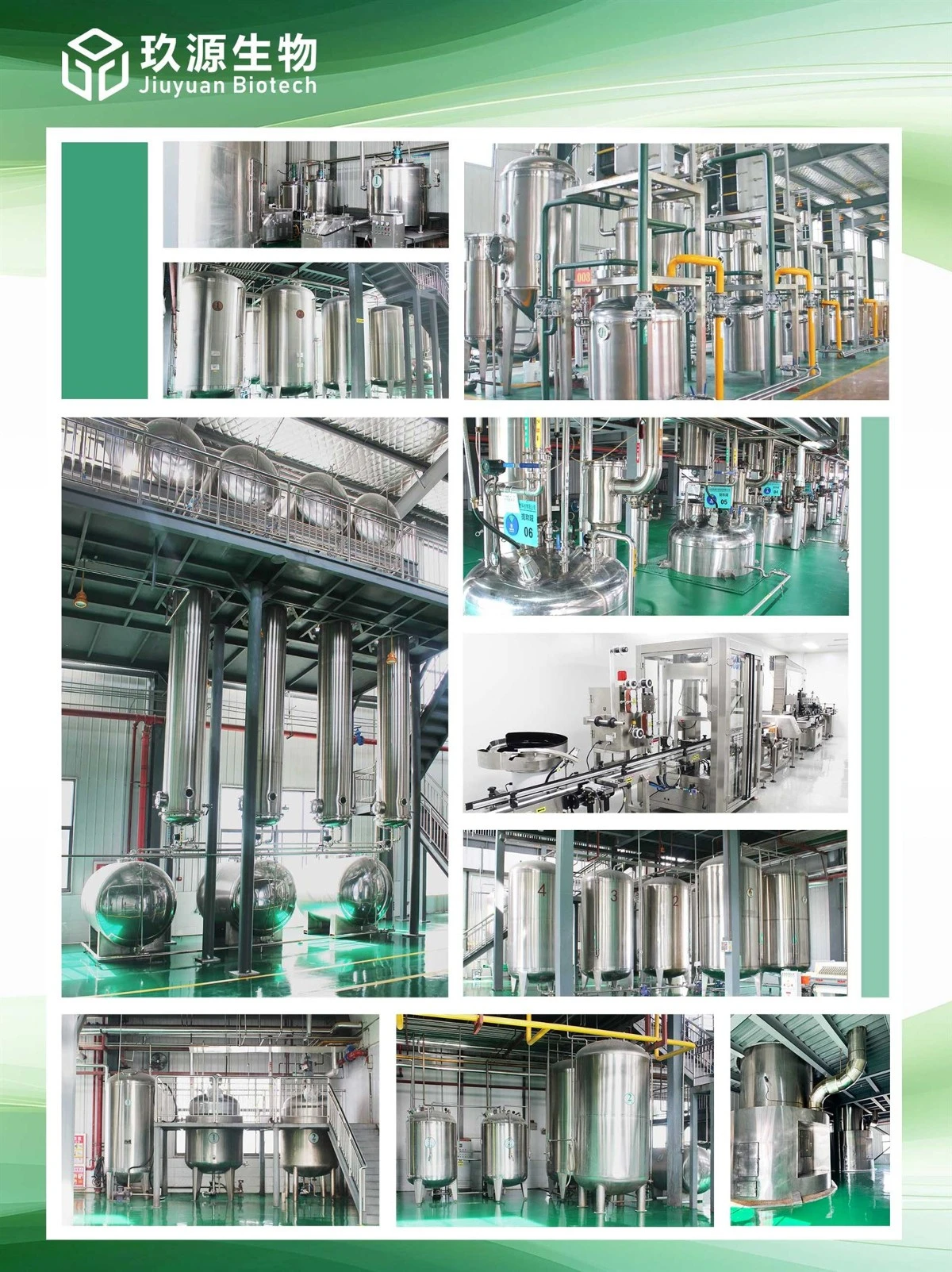
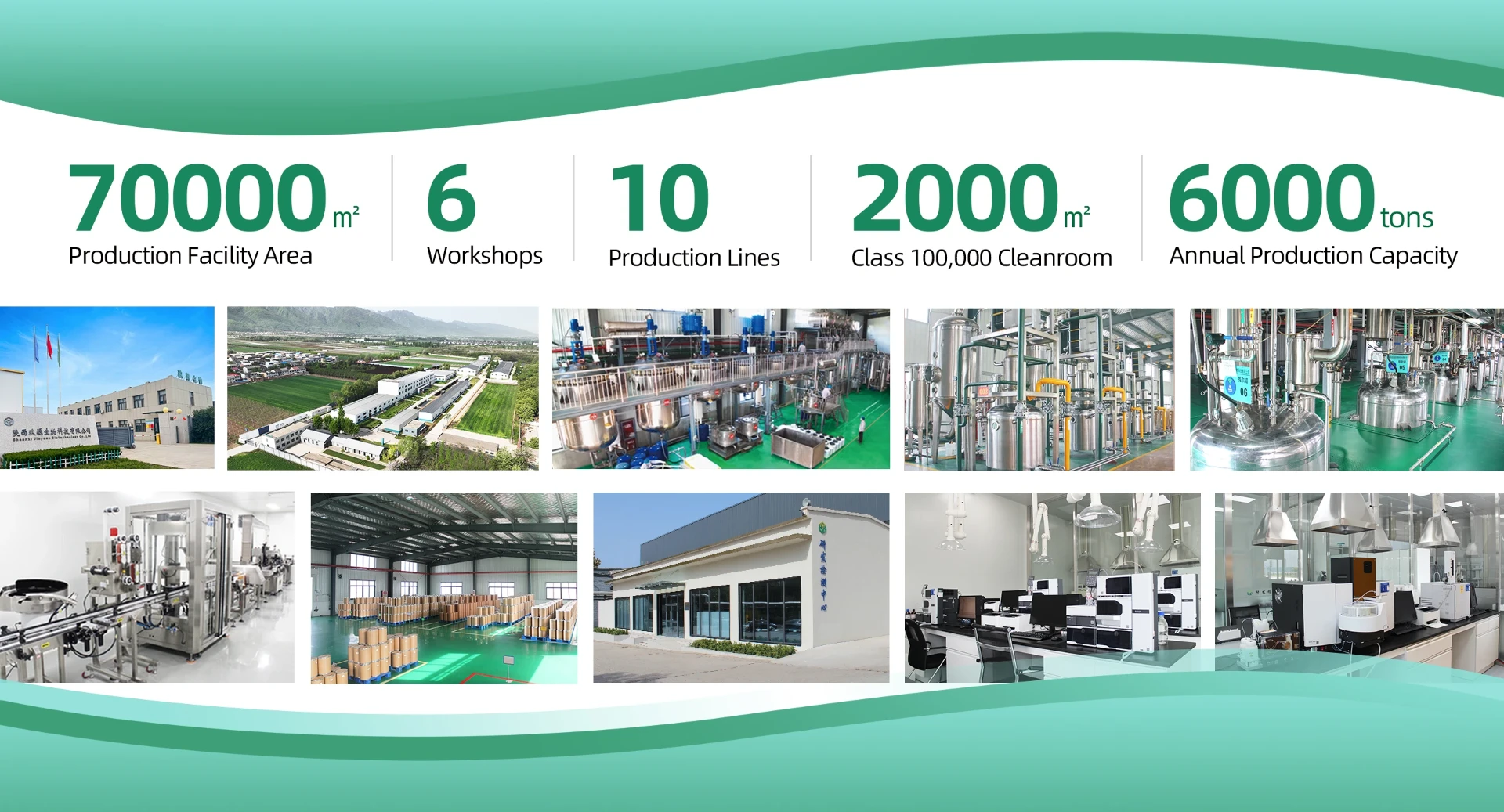
Shaanxi Jiuyuan Biotechnology Co., Ltd. is a cGMP-compliant manufacturer specializing in standardized plant extracts, with advanced extraction, centrifugation, HTST sterilization, granulation, and analytical testing capabilities. We provide high-purity, stable Cassia Seed Extract for global nutraceutical, functional food, cosmetic, and research markets.
- Extensive Production Capacity: 6 workshops covering 70,000 m², 10 production lines, over 6,000 tons annual output.
- Advanced Equipment: Plate-frame and butterfly centrifuges, high-temperature short-time sterilization, spray drying, dry granulation (4–350 mesh).
- High-Quality Standards: Full cGMP compliance, ISO9001/ISO22000, HACCP, FSSC22000, Halal, Kosher certifications.
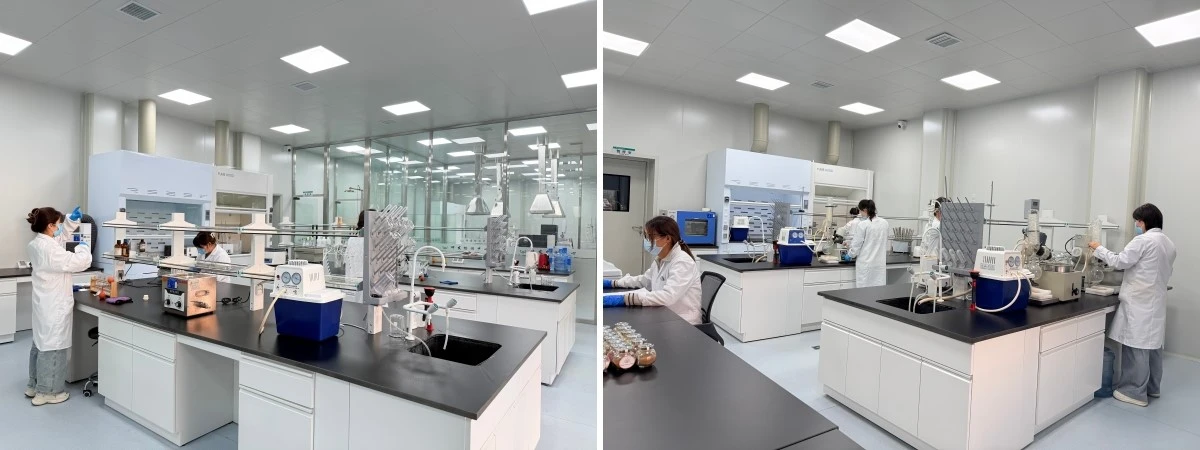
- Technical Expertise: 12-person R&D team, 500 m² professional lab, precise HPLC/UV testing for active compounds.
- Reliable Supply: Stable production, customizable specifications, strict batch-to-batch consistency.
Your Trusted Partner for Standardized, High-Purity Plant Extracts.
Customization and Flexibility
We understand that different applications may require specific specifications. Shaanxi Jiuyuan Bio offers flexible options for:
- Active Compound Content: We can produce extracts with varying concentrations of total anthraquinones and other specific bioactive compounds based on your needs.
- Particle Size: We offer powders with various particle sizes to accommodate your specific manufacturing processes.
- Packaging: We offer various packaging options to meet your logistical requirements.
- Customized Extraction: We are open to discussing customised extraction processes for specific compound enrichment.
Payments and Packaging Service
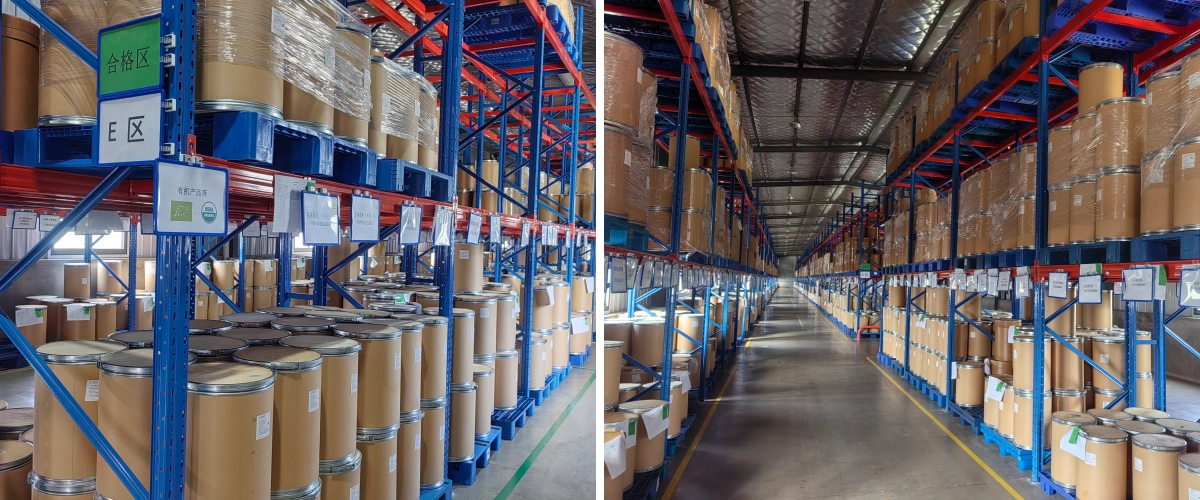
- Bulk Package: 25 kg/drum (custom packaging available)
- Shelf Life: 24 months
- Storage: Cool, dry, away from light
- Delivery Options: Air, sea, express
- Payment Terms: T/T, Alibaba Trade Assurance
|
|
|
|
|
Express Under 100kg, 3-5 Days Door-to-door service easy to pick up the goods |
By Air 100 kg- 1000 kg, 5-7 Days Airport-to-airport service professional clearance broker needed |
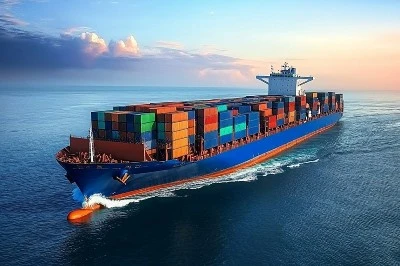
By Sea Over 300kg, Around 30 Days Port-to-port service professional clearance broker needed |

Packaging Configuration
We offer three standard packaging formats, each designed around a specific order volume and transit risk profile:
|
Format |
Net Weight |
Inner Barrier |
Outer Container |
Nitrogen Flush |
Best For |
|
Sample Pack |
100 g / 500 g |
Double-sealed foil pouch |
Cardboard box with desiccant |
✅ Yes |
R&D evaluation, pilot trials |
|
Standard Unit |
1 kg |
Foil-laminated PE bag |
Fiber drum (UN-certified) |
✅ Yes |
Small-batch production runs |
|
Bulk Commercial |
5 kg / 25 kg |
Double-layer PE liner + foil outer |
UN-certified fiber drum or aluminum canister |
✅ Yes |
Full-scale manufacturing |
Buyer Guide
Sourcing Cassia Seed Extract requires attention to details that do not appear on a price sheet.
Specify by total anthraquinone content and marker compound. A "10:1 extract" tells you nothing about anthraquinone concentration. A 10:1 extract might contain 1% total anthraquinones or 5%. Ask for the UV-Vis total anthraquinone result and the HPLC aurantio-obtusin value.
Confirm the botanical species. Cassia obtusifolia and Cassia tora are related but distinct species. HPLC fingerprint studies can discriminate between them. If your positioning specifies one species, confirm the supplier's raw material origin.
Check the carrier status. Carrier-free grades deliver maximum active per gram. Maltodextrin-supported grades offer better flowability for high-speed tableting. Choose based on your manufacturing process.
Request a full document package before ordering. COA, MSDS, TDS, allergen statement, and Non-GMO declaration should arrive with the quotation. Not weeks after your purchase order.
Test the sample in your actual formulation. Flowability, compressibility, and dissolution profiles vary between suppliers. A 100 g sample tells you more than a specification sheet.
Ask about the assay method. UV-Vis results are not interchangeable with HPLC results. UV-Vis measures total anthraquinones as a class. HPLC quantifies individual compounds. Agree on the method in your purchasing specification.
Compare cost per milligram of anthraquinone, not price per kilogram. A 5% extract at a higher per-kilo price may cost less per serving than a 2% extract at a lower price. Calculate cost per unit of active.
Ask about supply continuity. Can your supplier commit to repeat-order consistency? Do they hold safety stock? For brands with 12-month production schedules, supply reliability outweighs a 5% price difference.
FAQ
Q: What is Cassia Seed Extract used for?
A: Used in dietary supplements, functional foods, beverages, cosmetics, and animal feed to provide antioxidant, metabolic, and immune-supporting properties.
Q: What are the main active ingredients?
A: Anthraquinones (1–5%), polysaccharides (10–70%), and flavonoids.
Q: Does it support liver health?
A: Preclinical studies indicate modulation of lipid metabolism and antioxidant pathways, which may support liver cellular function.
Q: Is it safe for eye health?
A: In vitro studies show anti-apoptotic and antioxidant effects in retinal cell models.
Q: What extraction ratios are available?
A: 4:1, 5:1, 10:1.
Q: How to use in supplements or beverages?
A: Typical inclusion ranges 0.5–2% for beverages, or standardized doses in capsules/tablets.
Q: Is it vegan/organic certified?
A: Yes, options with USDA/EU Organic, Halal certifications available.
Q: Shelf life and storage conditions?
A: 24 months, stored in cool, dry, light-protected conditions.
Q: Can it be granulated?
A: Yes, dry granulation available for 4–60 mesh particle sizes.
Q: Does it contain heavy metals?
A: Tested and certified to meet international safety standards (Pb, As, Hg, Cd limits).
Q: What production equipment is used?
Plate & frame centrifuge, butterfly centrifuge, HTST sterilization, spray dryer, dry granulator.
Q: Is the extract standardized?
Yes, HPLC/UV verified active components for consistent batch quality.
Q: What dosage forms are suitable?
A: Capsules, tablets, powders, functional beverages, creams/serums.
Q: Does it interact with medications?
A: No direct clinical data; consult professionals if combined with other active compounds.
Request a Sample or Commercial Quote
Jiuyuan Biotech supplies Cassia Seed Extract to food manufacturers, supplement brands, and contract formulators across North America, Europe, and the Asia-Pacific region. Our technical team - not a generic sales inbox - handles every inquiry.
Email: info@jiuyuanbio.com
Website: www.jiuyuanbio.com
Request: Sample| Bulk Quote | CoA & Spec Sheet | Custom Carrier Ratio
Standard response time: within 1 business day. Please include your target application and annual volume estimate for the most relevant technical recommendation.
Hot Tags: cassia seed extract, China cassia seed extract manufacturers, suppliers, factory


