





Can α - arbutin be used with aloe vera?
As a supplier of α - arbutin, I often receive inquiries from customers about the compatibility of different skincare ingredients. One common question is whether α - arbutin can be used with aloe vera. In this blog post, I will delve into the properties of both α - arbutin and aloe vera, explore their potential synergies, and provide some insights on how to use them effectively in skincare routines.
Understanding α - arbutin
α - arbutin is a well - known skin - lightening ingredient. It works by inhibiting the activity of tyrosinase, an enzyme that plays a crucial role in the production of melanin. Melanin is the pigment responsible for skin color, and an overproduction of melanin can lead to various skin concerns such as dark spots, hyperpigmentation, and uneven skin tone. By blocking tyrosinase, α - arbutin helps to reduce the formation of new melanin, gradually lightening the skin and improving its overall appearance.
One of the key advantages of α - arbutin over other skin - lightening agents is its high stability and low toxicity. It is effective at relatively low concentrations and does not cause irritation or other adverse effects commonly associated with some harsher skin - lightening ingredients. This makes it suitable for a wide range of skin types, including sensitive skin.
The benefits of aloe vera
Aloe vera is a succulent plant that has been used for centuries for its medicinal and skincare properties. It contains a variety of bioactive compounds, including polysaccharides, vitamins (such as vitamin A, C, and E), minerals, and amino acids. These components contribute to its numerous benefits for the skin.
Aloe vera has excellent moisturizing properties. It can penetrate deep into the skin layers, providing long - lasting hydration and preventing moisture loss. This helps to keep the skin soft, smooth, and supple. Additionally, aloe vera has anti - inflammatory and soothing effects. It can reduce redness, swelling, and irritation, making it a great ingredient for calming sensitive or inflamed skin. It is also known to promote wound healing and can be used to treat minor burns, cuts, and skin abrasions.
Compatibility of α - arbutin and aloe vera
The good news is that α - arbutin and aloe vera are generally compatible and can be used together in skincare formulations. In fact, combining these two ingredients can offer several benefits.
Firstly, aloe vera's moisturizing and soothing properties can complement α - arbutin's skin - lightening effects. While α - arbutin is working to reduce melanin production, aloe vera can keep the skin hydrated and calm, preventing any potential dryness or irritation that might occur during the skin - lightening process. This is especially important for individuals with sensitive skin, as the combination can make the skin - lightening treatment more tolerable.
Secondly, the anti - inflammatory properties of aloe vera can enhance the overall health of the skin. Inflammation can sometimes trigger an increase in melanin production, so by reducing inflammation, aloe vera can support α - arbutin's efforts to achieve a more even skin tone.
How to use α - arbutin and aloe vera together
There are several ways to incorporate α - arbutin and aloe vera into your skincare routine.
1. DIY skincare formulations
You can create your own homemade skincare products by combining α - arbutin powder with aloe vera gel. Start by obtaining pure aloe vera gel, either by extracting it directly from an aloe vera plant or purchasing a high - quality, pure aloe vera gel from a trusted source. Then, mix a small amount of α - arbutin powder (usually around 1 - 2% concentration) into the aloe vera gel until it is fully dissolved. You can apply this mixture to your face or other areas of the skin that you want to treat. Make sure to do a patch test first to check for any allergic reactions.
2. Commercial skincare products
Many skincare brands are now incorporating both α - arbutin and aloe vera into their products. Look for serums, creams, or lotions that list these two ingredients on the label. These products are often formulated to ensure the optimal combination and stability of the ingredients, providing you with a convenient and effective way to use them together.
Other complementary ingredients
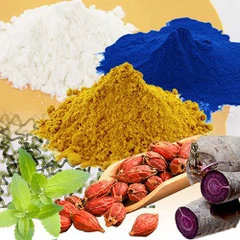
In addition to aloe vera, there are other ingredients that can be used in conjunction with α - arbutin to enhance its effects. For example, Honeysuckle Extract Powder has antibacterial and anti - inflammatory properties, which can help to keep the skin healthy and prevent any potential infections. Wheat Germ Extract Spermidine is rich in antioxidants and can protect the skin from free - radical damage, further supporting the skin - lightening process. Fiveleaf Gynostemma Extract also has various health - promoting properties for the skin, such as anti - aging and immune - enhancing effects.
Precautions
While α - arbutin and aloe vera are generally safe to use together, it is still important to take some precautions. As mentioned earlier, always do a patch test before using any new skincare product or formulation. If you experience any redness, itching, or other signs of irritation, discontinue use immediately.
Also, make sure to store your skincare products containing α - arbutin and aloe vera properly. Keep them in a cool, dark place to maintain the stability and effectiveness of the ingredients.
Conclusion
In conclusion, α - arbutin and aloe vera can be used together effectively in skincare. Their combination offers a range of benefits, including skin lightening, moisturizing, soothing, and anti - inflammatory effects. Whether you choose to create your own DIY formulations or use commercial products, incorporating these two ingredients into your skincare routine can help you achieve a healthier, more even - toned complexion.


If you are interested in purchasing high - quality α - arbutin for your skincare formulations, please feel free to contact me for more information and to discuss your specific needs. We are committed to providing the best products and services to meet your requirements.
References
- Choi, Y. J., & Lee, S. H. (2012). Biological activities of arbutin and its derivatives. Journal of Microbiology and Biotechnology, 22(11), 1643 - 1650.
- Reynolds, T., & Dweck, A. C. (1999). Aloe vera: A review update. Journal of Ethnopharmacology, 68(1 - 3), 3 - 37.
- Huang, S. Y., & Wu, T. C. (2017). The efficacy and safety of topical arbutin in the treatment of melasma: A systematic review and meta - analysis. Journal of Cosmetic Dermatology, 16(4), 507 - 514.


