





Glycyrrhizin powder, a compound derived from the licorice root, has gained significant attention in recent years for its potential health benefits and its impact on the endocrine system. As a supplier of high - quality glycyrrhizin powder, I have witnessed a growing interest from various industries, including pharmaceuticals, cosmetics, and nutraceuticals. In this blog post, I will explore how glycyrrhizin powder affects the endocrine system based on scientific research.
The Endocrine System: A Brief Overview
The endocrine system is a complex network of glands that secrete hormones into the bloodstream. These hormones act as chemical messengers, regulating various physiological processes such as metabolism, growth and development, tissue function, and mood. Key glands in the endocrine system include the pituitary gland, thyroid gland, adrenal glands, pancreas, and gonads. Any disruption in the normal functioning of this system can lead to a wide range of health problems.
How Glycyrrhizin Powder Interacts with the Endocrine System
1. Effects on the Adrenal Glands
The adrenal glands are responsible for producing hormones such as cortisol, aldosterone, and adrenaline. Glycyrrhizin has been shown to have an impact on the adrenal - hormone production. It inhibits the enzyme 11β - hydroxysteroid dehydrogenase type 2 (11β - HSD2), which normally converts cortisol to its inactive form, cortisone. When 11β - HSD2 is inhibited by glycyrrhizin, cortisol levels can increase in the kidney and other tissues.

An increase in cortisol levels can lead to a variety of effects. Cortisol is known as the "stress hormone," and elevated levels can cause symptoms similar to Cushing's syndrome, including weight gain, high blood pressure, and muscle weakness. However, in some cases, this increase in cortisol may also have beneficial effects, such as anti - inflammatory and immunomodulatory actions.
2. Influence on the Thyroid Gland
The thyroid gland produces hormones that regulate metabolism. Some studies suggest that glycyrrhizin may interfere with thyroid - hormone function. It can potentially inhibit the conversion of thyroxine (T4) to triiodothyronine (T3), the active form of thyroid hormone. This interference can lead to decreased thyroid - hormone activity, which may result in symptoms like fatigue, weight gain, and cold intolerance.
However, the exact mechanism and the extent of this effect are still not fully understood. More research is needed to determine under what conditions and at what doses glycyrrhizin has a significant impact on thyroid function.
3. Impact on the Reproductive System
In the reproductive system, glycyrrhizin may have both direct and indirect effects. On one hand, the changes in cortisol levels due to glycyrrhizin intake can indirectly affect the reproductive hormones. High cortisol levels can suppress the release of gonadotropin - releasing hormone (GnRH) from the hypothalamus, which in turn can lead to decreased production of luteinizing hormone (LH) and follicle - stimulating hormone (FSH) from the pituitary gland. This can disrupt the normal menstrual cycle in women and sperm production in men.
On the other hand, some in - vitro studies have shown that glycyrrhizin may have direct effects on the gonads. It may interact with sex - hormone receptors, although the exact nature of these interactions and their physiological significance require further investigation.
Potential Benefits and Risks of Glycyrrhizin on the Endocrine System
Benefits
- Anti - inflammatory and Immunomodulatory Effects: The increase in cortisol levels caused by glycyrrhizin can have anti - inflammatory and immunomodulatory effects. This can be beneficial in treating conditions such as allergic reactions, autoimmune diseases, and skin inflammations. For example, in the cosmetic industry, glycyrrhizin powder is often used in skin - care products for its anti - inflammatory properties.
- Hormonal Balance in Some Cases: In certain situations, the modulation of endocrine hormones by glycyrrhizin may help restore hormonal balance. For instance, in some patients with mild adrenal insufficiency, the increase in cortisol levels due to glycyrrhizin may provide some relief from symptoms.
Risks
- Endocrine Disruptions: As mentioned earlier, the interference with cortisol, thyroid, and reproductive - hormone production can lead to a variety of endocrine - related disorders. Prolonged or excessive intake of glycyrrhizin can cause long - term health problems, such as high blood pressure, osteoporosis, and infertility.
- Drug Interactions: Glycyrrhizin may interact with other medications that affect the endocrine system. For example, it may enhance the effects of corticosteroid medications, increasing the risk of side effects.
Comparison with Other Plant Extracts
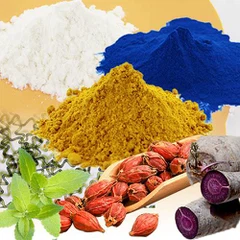
When considering the impact of plant extracts on the endocrine system, it's interesting to compare glycyrrhizin powder with other popular plant extracts. For example, Echinacea Purpurea Extract Powder is known for its immunomodulatory properties. Unlike glycyrrhizin, which has a direct impact on adrenal - and thyroid - hormone production, echinacea purpurea extract mainly acts on the immune cells, enhancing the body's immune response without significant direct effects on the endocrine glands.
Marigold Extract Powder is rich in antioxidants and has anti - inflammatory properties. It is often used in skin - care products and nutritional supplements. Similar to glycyrrhizin, it has anti - inflammatory effects, but its impact on the endocrine system is minimal compared to the complex hormonal interactions of glycyrrhizin.
Yam Extract Powder contains diosgenin, which can be used to synthesize steroid hormones. While it has a connection with the endocrine system through its role in hormone synthesis, its mechanism of action is different from that of glycyrrhizin. Yam extract provides a precursor for hormone production, whereas glycyrrhizin modifies the metabolism and activity of existing hormones.
Applications in Different Industries
In the pharmaceutical industry, the endocrine - modulating effects of glycyrrhizin powder are being explored for the development of new drugs. Its anti - inflammatory and immunomodulatory properties, along with its impact on cortisol levels, make it a potential candidate for treating various diseases, including autoimmune disorders and skin diseases.
In the cosmetic industry, glycyrrhizin is used in products such as creams, lotions, and serums. Its anti - inflammatory and skin - soothing properties are highly valued. Additionally, its potential effects on the endocrine system can be beneficial in treating skin conditions related to hormonal imbalances, such as acne.
In the nutraceutical industry, glycyrrhizin powder is used in dietary supplements. However, due to its potential endocrine - disrupting effects, careful dosing and monitoring are required.
Conclusion
Glycyrrhizin powder has a complex and multi - faceted impact on the endocrine system. While it offers potential benefits such as anti - inflammatory and immunomodulatory effects, it also poses risks in terms of endocrine disruptions. As a supplier of glycyrrhizin powder, I understand the importance of providing high - quality products and ensuring that customers are well - informed about its properties and potential effects.
If you are interested in learning more about glycyrrhizin powder or would like to discuss a potential purchase, please feel free to reach out. We can have a detailed conversation about the appropriate uses, dosages, and safety considerations of our glycyrrhizin powder.
References
- Armanini, D., & Palermo, M. (2002). Glycyrrhizin - induced pseudoaldosteronism. Journal of Endocrinological Investigation, 25(9), 759 - 762.
- Krozowski, Z. S., & Funder, J. W. (1983). Mineralocorticoid activity of liquorice: 11β - hydroxy - steroid dehydrogenase deficiency comes of age. Lancet, 2(8348), 821 - 824.
- Saito, Y., & Yamada, H. (2002). Effects of glycyrrhizin on thyroid function in rats. Biological & Pharmaceutical Bulletin, 25(6), 733 - 736.


