





Can I use Green Tea Leaf Extract topically?
In the world of natural health and beauty, green tea leaf extract has emerged as a star ingredient, celebrated for its potential benefits when consumed. But can it also work wonders when applied topically? As a trusted supplier of high - quality Green Tea Leaf Extract, I'm here to explore this question in depth and share the scientific insights that underpin its topical use.

Understanding Green Tea Leaf Extract
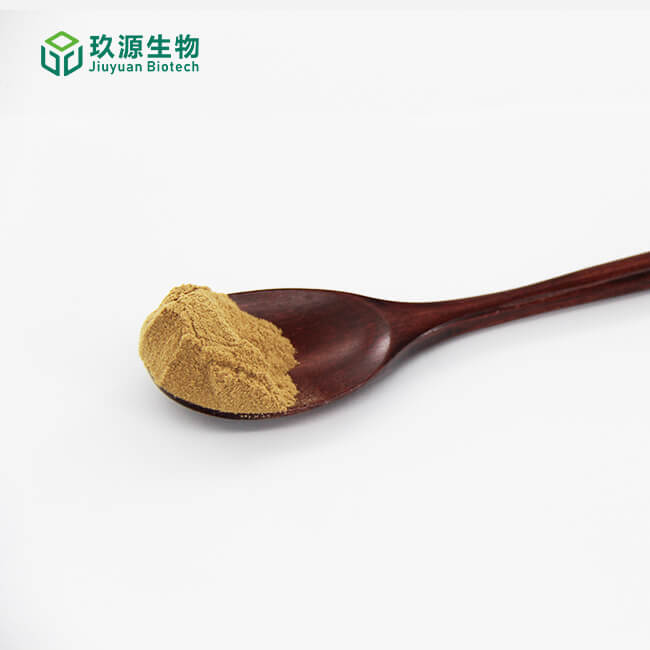
Green tea, derived from the Camellia sinensis plant, has been used for centuries in traditional medicine and beverages. The extract is concentrated form that retains many of the active compounds found in the tea, including polyphenols (especially catechins), flavonoids, and amino acids. Epigallocatechin gallate (EGCG), a powerful catechin, is one of the most well - studied components due to its antioxidant, anti - inflammatory, and anti - carcinogenic properties.
Topical Benefits of Green Tea Leaf Extract
- Antioxidant Protection: The skin is constantly exposed to environmental stressors such as UV radiation, pollutants, and free radicals. These can cause oxidative damage, leading to premature aging, wrinkles, and dark spots. Green tea leaf extract's antioxidants neutralize free radicals, protecting the skin cells from damage. A study in the journal "Dermatologic Surgery" found that topical application of green tea polyphenols could reduce the oxidative stress caused by UVB radiation on the skin.
- Anti - inflammatory Properties: Inflammation is a common underlying factor in many skin conditions, including acne, eczema, and psoriasis. EGCG in green tea leaf extract inhibits the production of inflammatory cytokines, reducing redness and swelling. This makes it a promising ingredient for soothing irritated skin. Research in the "Journal of Investigative Dermatology" demonstrated that EGCG could suppress inflammation in skin cells.
- Acne Management: Acne is a multifactorial skin condition often related to excess sebum production, bacterial growth, and inflammation. Green tea leaf extract has antibacterial properties against Propionibacterium acnes, the bacteria associated with acne. Additionally, its anti - inflammatory effects help reduce the redness and swelling of acne lesions. A clinical trial in the "Journal of Drugs in Dermatology" showed that a 2% green tea cream was effective in reducing acne severity.
- Skin Cancer Prevention: Although not a substitute for sunscreen, the antioxidants in green tea leaf extract may offer some protection against skin cancer. Some pre - clinical studies suggest that EGCG can inhibit the growth and spread of skin cancer cells. However, more research is needed to fully understand its potential in this area.
How to Use Green Tea Leaf Extract Topically
- DIY Skincare: You can create your own skincare products using green tea leaf extract powder. For a simple face mask, mix a small amount of the extract with honey or aloe vera gel. Apply it to your face for 15 - 20 minutes, then rinse off with warm water.
- Commercial Products: Many skincare brands are now incorporating green tea leaf extract into their products, such as moisturizers, serums, and cleansers. Look for products that list green tea extract high on the ingredient list to ensure a significant concentration.
Safety Considerations
While green tea leaf extract is generally considered safe for topical use, some individuals may be allergic. It's always advisable to perform a patch test on a small area of skin, such as the inner wrist, before using a new product or DIY concoction. If you experience any itching, redness, or irritation, discontinue use immediately.
Comparing with Other Plant Extracts
In addition to green tea leaf extract, there are other plant extracts that offer similar benefits for the skin. For example, Tart Cherry Extract is rich in anthocyanins, which have antioxidant and anti - inflammatory properties. Green Tea Extract L - Theanine combines the benefits of green tea with the calming effects of L - theanine. Forsythia Suspensa Fruit Extract has antibacterial and antiviral properties, making it useful for skin infections.
Our Green Tea Leaf Extract
As a supplier of Green Tea Leaf Extract, we take pride in offering a high - quality product. Our extract is sourced from carefully selected tea leaves and undergoes strict quality control measures to ensure the purity and potency of the active compounds. Whether you're a skincare brand looking to formulate new products or an individual interested in making your own natural skincare solutions, our Green Tea Leaf Extract can be a valuable addition.
Contact Us for Purchase and Discussion
If you're interested in purchasing our Green Tea Leaf Extract, we invite you to reach out. Our team of experts is ready to answer any questions you may have regarding the product's specifications, applications, and pricing. We can also provide you with samples so that you can test the quality of our extract firsthand.
In conclusion, green tea leaf extract holds great promise for topical use. Its antioxidant, anti - inflammatory, and antibacterial properties make it a versatile ingredient for various skin concerns. Whether you're dealing with acne, aging skin, or simply want to protect your skin from environmental damage, incorporating green tea leaf extract into your skincare routine could be a wise choice.
References
- Hsu, S. I., & Fisher, G. J. (2005). Green tea polyphenols protect against ultraviolet light - induced dermatologic photodamage. Dermatologic Surgery, 31(11), 1417 - 1421.
- Kang, J., Chung, J. H., & Oh, Y. J. (2003). Epigallocatechin - 3 - gallate inhibits UVB - induced cyclooxygenase - 2 and matrix metalloproteinase - 1 expression through suppression of AP - 1 and NF - κB activation in human skin fibroblasts. Journal of Investigative Dermatology, 121(2), 383 - 393.
- Zaenglein, A. L., Pathy, A. L., Schlosser, B. J., Alikhan, A., Baldwin, H. H., Berson, D. S.,... & Thiboutot, D. M. (2016). Guidelines of care for the management of acne vulgaris. Journal of the American Academy of Dermatology, 74(5), 945 - 973.


