





α - arbutin, a well - known skincare ingredient, has been making waves in the beauty industry for its potential to transform skin texture. As a supplier of α - arbutin, I've witnessed firsthand the growing interest in this compound and its far - reaching effects on skin health. In this blog, we'll delve into the science behind α - arbutin and explore how it impacts skin texture.
Understanding α - arbutin
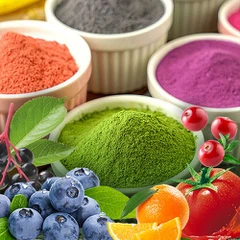
α - arbutin is a natural derivative of hydroquinone. It is extracted from plants such as bearberry, cranberry, and blueberry. Unlike its parent compound hydroquinone, which can have some safety concerns at high concentrations, α - arbutin is considered a safer alternative in skincare.
The chemical structure of α - arbutin gives it unique properties. It works by inhibiting the activity of tyrosinase, an enzyme that plays a crucial role in the production of melanin. Melanin is the pigment responsible for skin color, and an overproduction of melanin can lead to various skin issues, including uneven skin tone and dark spots.
Impact on Skin Texture through Pigmentation Regulation
One of the most significant ways α - arbutin impacts skin texture is by regulating pigmentation. When the skin has an uneven distribution of melanin, it can create a rough and patchy appearance. Dark spots, sunspots, and hyperpigmentation areas stand out, making the skin look less smooth and refined.
By inhibiting tyrosinase, α - arbutin reduces the production of melanin. Over time, this leads to a more even skin tone. As the dark spots fade, the overall texture of the skin appears smoother and more uniform. For example, a person with sun - induced dark spots on their cheeks may notice that after using products containing α - arbutin for a few weeks, the spots start to lighten, and the skin in those areas becomes more consistent with the surrounding skin, resulting in a softer and more refined texture.
Hydration and Skin Texture
α - arbutin also has a positive impact on skin hydration, which is closely related to skin texture. Well - hydrated skin is plump, smooth, and elastic, while dry skin often appears rough, flaky, and dull.
Some studies have shown that α - arbutin can help improve the skin's moisture - retaining ability. It may interact with the skin's natural barrier function, enhancing its ability to hold onto water. When the skin is properly hydrated, the fine lines and wrinkles that can contribute to a rough texture are less noticeable. The skin feels softer to the touch, and its surface becomes more supple. This is especially beneficial for individuals with dry or combination skin types, who often struggle with maintaining optimal skin moisture levels.
Anti - Inflammatory Effects and Skin Texture
Inflammation in the skin can cause a range of problems that affect skin texture. It can lead to redness, swelling, and the formation of acne or other blemishes. These blemishes can leave behind scars and pits, creating an uneven skin surface.
α - arbutin has been found to possess anti - inflammatory properties. It can help reduce the production of pro - inflammatory cytokines in the skin. By calming inflammation, α - arbutin helps prevent the development of new blemishes and promotes the healing of existing ones. As the skin heals from inflammatory conditions, the texture becomes smoother. For instance, acne - prone skin may experience fewer breakouts and a reduction in the appearance of acne scars when treated with α - arbutin, resulting in a more even and refined skin texture.
Exfoliation and Skin Renewal
Another aspect of how α - arbutin impacts skin texture is through its potential role in skin exfoliation and renewal. The outermost layer of the skin, the stratum corneum, consists of dead skin cells. When these cells accumulate, they can make the skin look dull and feel rough.
α - arbutin may stimulate the turnover of skin cells. It encourages the shedding of dead skin cells and the growth of new, healthy cells. This process helps to remove the top layer of rough, dull skin, revealing a fresher and smoother complexion underneath. With regular use, the skin becomes more radiant, and its texture improves as the new cells contribute to a softer and more youthful appearance.


Complementary Ingredients and Synergistic Effects
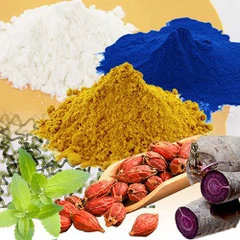
When formulating skincare products with α - arbutin, it is often combined with other ingredients to enhance its effects on skin texture. For example, it can be paired with Moringa Seed Extract Powder. Moringa seed extract is rich in antioxidants and vitamins, which can further protect the skin from oxidative stress and promote overall skin health. The combination of α - arbutin and moringa seed extract may lead to more significant improvements in skin texture, as they work together to address multiple aspects of skin damage.
Similarly, Bacopa Extract Powder can be used in conjunction with α - arbutin. Bacopa extract has been shown to have anti - aging properties, which can complement the skin - brightening and texture - improving effects of α - arbutin. Together, they can target fine lines, wrinkles, and uneven skin tone, resulting in a more youthful and refined skin texture.
Cynara Scolymus Extract is another ingredient that can be combined with α - arbutin. It has detoxifying and anti - inflammatory properties, which can help to clean the skin from within and reduce inflammation, further enhancing the overall skin texture.
Practical Applications and Product Recommendations
Skincare products containing α - arbutin come in various forms, including serums, creams, and lotions. Serums are a popular choice as they typically have a higher concentration of active ingredients, allowing for more targeted treatment. A high - quality α - arbutin serum can be applied directly to the areas of concern, such as dark spots or uneven skin tone, to maximize its effects on skin texture.
Creams and lotions are also effective, especially for those with drier skin. They provide a more occlusive layer, helping to lock in moisture while delivering the benefits of α - arbutin. When choosing a product, it's important to look for one with a suitable concentration of α - arbutin. Generally, a concentration of 2% - 5% is considered effective for improving skin texture and pigmentation.
Contact for Procurement
If you're interested in sourcing high - quality α - arbutin for your skincare products, we're here to assist you. We offer a wide range of α - arbutin products that meet the highest industry standards. Our team of experts can provide you with detailed information about our products, including specifications, pricing, and delivery options. Whether you're a small - scale skincare brand or a large - scale manufacturer, we can tailor our services to meet your specific needs. Don't hesitate to reach out to us to start a fruitful procurement discussion.
References
- Boissy RE, Zhao Y, O'Sullivan TN, et al. Comparative inhibition of tyrosinase activity by arbutin and its alpha - and beta - anomers. Pigment Cell Res. 2003;16(6):613 - 622.
- Choi YJ, Kang YS, Kim JH, et al. Inhibitory effect of arbutin on melanogenesis in B16 melanoma cells. Biol Pharm Bull. 2003;26(7):981 - 986.
- Kwak HJ, Kim YJ, Choi JH, et al. Anti - inflammatory effects of arbutin in lipopolysaccharide - activated RAW 264.7 macrophages. Int J Mol Med. 2010;26(4):583 - 589.


