






Can α - arbutin be used with niacinamide?
In the realm of skincare, the pursuit of effective and safe ingredient combinations is a never - ending journey. Two popular ingredients that have gained significant attention are α - arbutin and niacinamide. As a supplier of high - quality α - arbutin, I often receive inquiries about whether these two can be used together. In this blog, we'll delve into the science behind these ingredients and explore the feasibility of their combined use.
Understanding α - arbutin
α - arbutin is a well - known skin - lightening agent. It works by inhibiting the activity of tyrosinase, an enzyme that plays a crucial role in the production of melanin. Melanin is responsible for the color of our skin, hair, and eyes. Excessive melanin production can lead to various skin concerns such as hyperpigmentation, dark spots, and uneven skin tone. By blocking tyrosinase, α - arbutin helps to reduce melanin synthesis, resulting in a brighter and more even complexion.
One of the key advantages of α - arbutin is its high stability and low toxicity. Unlike some other skin - lightening ingredients, it is less likely to cause skin irritation or side effects, making it suitable for a wide range of skin types, including sensitive skin.
The benefits of niacinamide
Niacinamide, also known as vitamin B3, is a versatile skincare ingredient with multiple benefits. It has anti - inflammatory properties, which can help soothe irritated skin and reduce redness. Niacinamide also plays a role in improving the skin's barrier function. A strong skin barrier helps to keep moisture in and protect the skin from external aggressors such as pollutants and bacteria.
In addition to its anti - inflammatory and barrier - strengthening effects, niacinamide is also known for its ability to reduce the appearance of pores, improve skin texture, and even out skin tone. Similar to α - arbutin, it can also have an impact on melanin production, although through a different mechanism. Niacinamide inhibits the transfer of melanin from melanocytes to keratinocytes, the cells that make up the outer layer of the skin.
Compatibility of α - arbutin and niacinamide
From a scientific perspective, there is no inherent chemical incompatibility between α - arbutin and niacinamide. Both ingredients work towards the common goal of improving skin tone and texture, but they do so through different pathways. This means that they can potentially complement each other and provide enhanced results when used together.
However, when it comes to actual skincare application, individual skin reactions can vary. Some people may find that their skin tolerates the combination well, while others may experience mild irritation. This is because everyone's skin is unique, and factors such as skin sensitivity, existing skin conditions, and the concentration of the ingredients can all influence how the skin responds.
If you're considering using α - arbutin and niacinamide together, it's advisable to start with a patch test. Apply a small amount of a product containing both ingredients to a discreet area of your skin, such as behind your ear or on your inner wrist. Wait for 24 - 48 hours and observe for any signs of redness, itching, or irritation. If there are no adverse reactions, you can gradually incorporate the combination into your regular skincare routine.
Tips for using α - arbutin and niacinamide together
- Start with low concentrations: Begin with products that contain lower concentrations of both α - arbutin and niacinamide. This allows your skin to gradually adjust to the ingredients and reduces the risk of irritation. As your skin becomes more accustomed to the combination, you can gradually increase the concentration.
- Follow a proper skincare routine: When using α - arbutin and niacinamide together, it's important to follow a proper skincare routine. Cleanse your skin gently to remove dirt and impurities, then apply a toner to balance the skin's pH. Next, apply a product containing α - arbutin, followed by a product with niacinamide. Finish with a moisturizer to lock in moisture and protect the skin.
- Use sunscreen: Both α - arbutin and niacinamide can make your skin more sensitive to the sun. Therefore, it's crucial to use a broad - spectrum sunscreen with a high SPF during the day to protect your skin from UV damage and prevent further hyperpigmentation.
Other related plant extracts
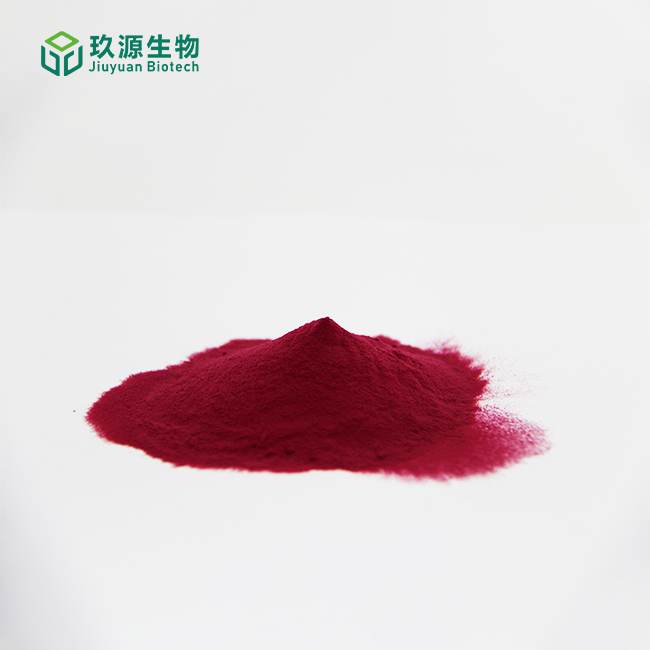
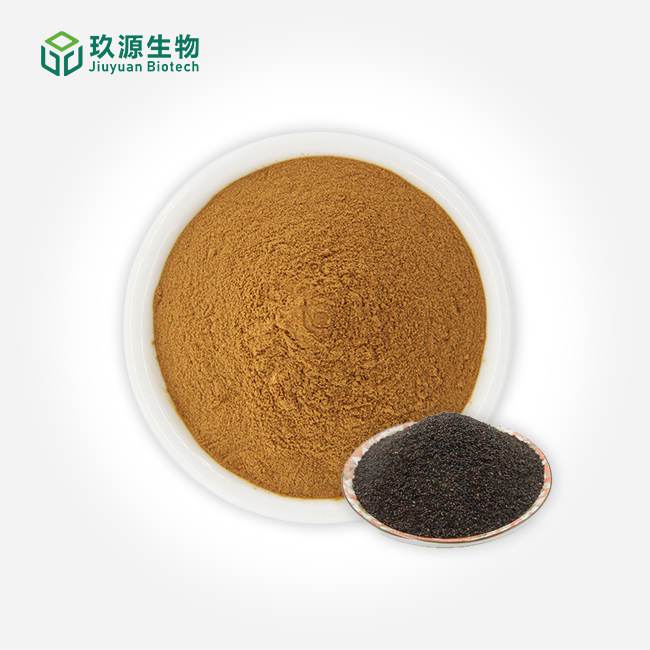
In addition to α - arbutin and niacinamide, there are other plant extracts that can be beneficial for the skin. For example, Wheat Germ Extract Spermidine is rich in antioxidants and nutrients that can help nourish the skin and promote cell regeneration. Best Beetroot Extract Powder contains vitamins and minerals that can improve skin circulation and give the skin a healthy glow. Plantago Asiatica Extract has anti - inflammatory and antibacterial properties, which can be useful for treating acne and other skin infections.
Conclusion
In conclusion, α - arbutin and niacinamide can generally be used together safely and effectively, as long as you take the necessary precautions. Their complementary mechanisms of action make them a potentially powerful combination for improving skin tone, texture, and overall skin health. If you're interested in incorporating these ingredients into your skincare products or are looking for a reliable α - arbutin supplier, feel free to reach out to us. We can provide you with high - quality α - arbutin and offer professional advice on ingredient combinations and skincare formulations.
References
- Boissy RE, Zhao Y, O'Sullivan TN, et al. Inhibition of tyrosinase activity by α - arbutin and its application for the treatment of hyperpigmentation. Pigment Cell Res. 2003;16(6):613 - 621.
- Humbert P, Haftek M, Black HS, et al. Niacinamide: a B vitamin that improves aging facial skin appearance. Dermatol Surg. 2002;28(9):837 - 843.
- Choi EJ, Lee SH, Kim YC, et al. The effect of niacinamide on reducing cutaneous pigmentation and suppression of melanosome transfer. Int J Cosmet Sci. 2005;27(5):215 - 222.


